

















Richmond-Upon-Thames Council fined a woman for pouring dregs down the drain, while companies across the UK get away with environmental murder. Authorities are being warned against legislative hypocrisy.
Using the example of Burcu Yesilyurt, who was fined £150 by her local government for emptying the remnants of a coffee cup into the gutter, the Royal Society of Chemistry (RSC) is calling on Downing Street to mandate that firms take responsibility for allowing chemicals to leach into the environment.
The organisation and Kew, Richmond-Upon-Thames resident, are now partnering on a campaign to highlight widespread inconsistencies in the current regulatory system governing ecological protection. Governments at all levels must act urgently to tackle fundamental pollution problems, including the presence of so-called ‘forever chemicals’ in natural ecosystems, green and blue spaces.
Also known as PFAS, a recent study conducted by the RSC found that this group of more than 4,700 toxic substances – which can persist in the environment for up to 1,000 years – were present in more th one-third of tested water courses in England and Wales. The River Thames contained the highest concentration.
‘Burcu was fined for a cup of coffee down the drain, but industries releasing harmful chemicals into our rivers face no comparable scrutiny. It’s time to apply the polluter pays principle across the board,’ said Dr Natalie Sims, Policy Advisor at the Royal Society of Chemistry.
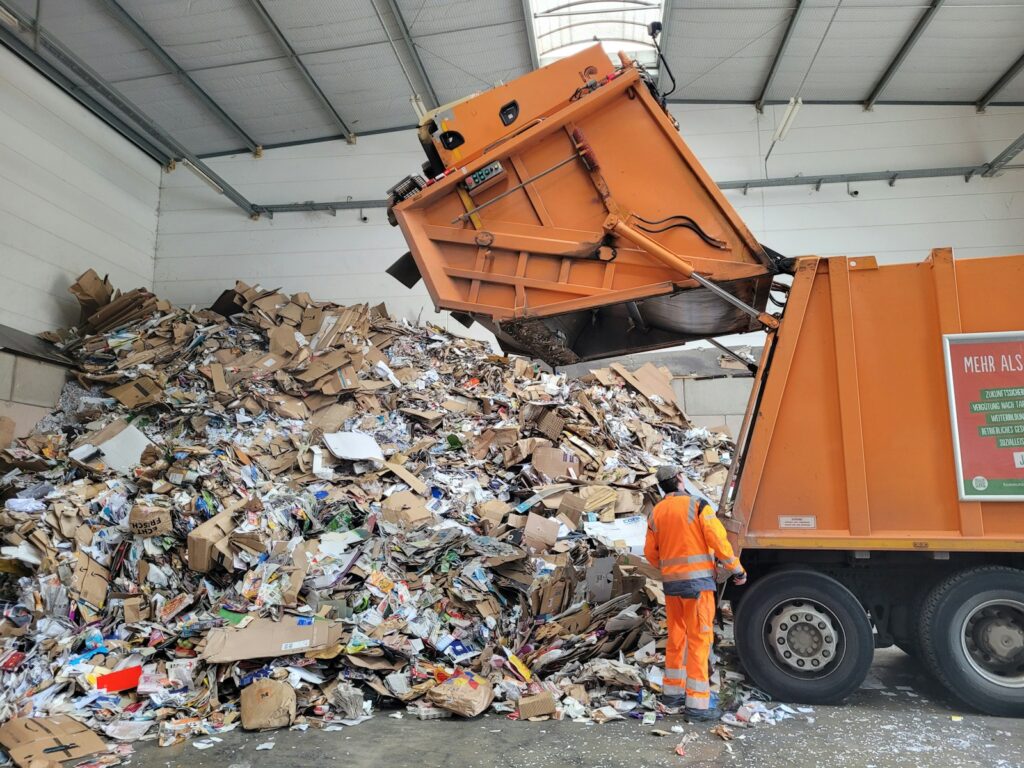
‘Burcu’s case exposes wider gaps in the way pollution is managed in the UK, with major industrial polluters too often getting off the hook. Companies that pollute the environment with toxic chemicals, like PFAS, should pay for their removal from our waterways, rather than burden already strained public purse string,’ she continued. ‘At the same time, we need to hold ‘diffuse sources’ – such as road run-off, waste emissions and agriculture – to the same level of monitoring and enforcement as water companies.’
Image: Roberto Sorin / Unsplash
More on Pollution, Waste & Recycling:
England needs to think seriously about sustainable timber housebuilding
PFAS ban is urgently needed to protect nature and water supplies
Scotland’s water not worse than England, minister asked to apologise