












A new paper developed through an interdisciplinary workshop advocates a fundamental change in how authorities treat the public within ecological campaigns.
According to the National Oceanography Centre, policymakers need to move away from a top-down approach in which communities are treated like ’empty vessels’. Instead, a longer term, reciprocal relationship is necessary which centres on lived experiences and local expertise.
‘Communities are not ‘out there’ waiting to be engaged,” Dr Alice Horton from the National Oceanography Centre,’ said Dr Alice Horton of the National Oceanography Centre. ‘They are dynamic, diverse, and already playing critical roles in shaping how we understand and respond to ocean plastics.’
According to estimates, there could be 29million tonnes of entering the seas each year by 2040, almost double the amount leaking into the world’s oceans by 2010. This quantity continues to rise year on year, and in order to finally start reducing this waste stream, a number of recommendations have been made.
Identifying four key types of community – geographical, practical, virtual and circumstantial – a new set of rules of engagement has now been proposed. This includes co-designing research, validating local knowledge, and recognising different cultural relationships with the ocean and plastic.
Dr Cressida Bowyer, Deputy Director of the Revolution Plastics Institute at the University of Portsmouth and co-author of the paper, said: ‘Community members bring valuable insight and agency to this issue. We’ve seen examples from Kenya to the Philippines where local actions, often overlooked by formal science, are leading the way.’
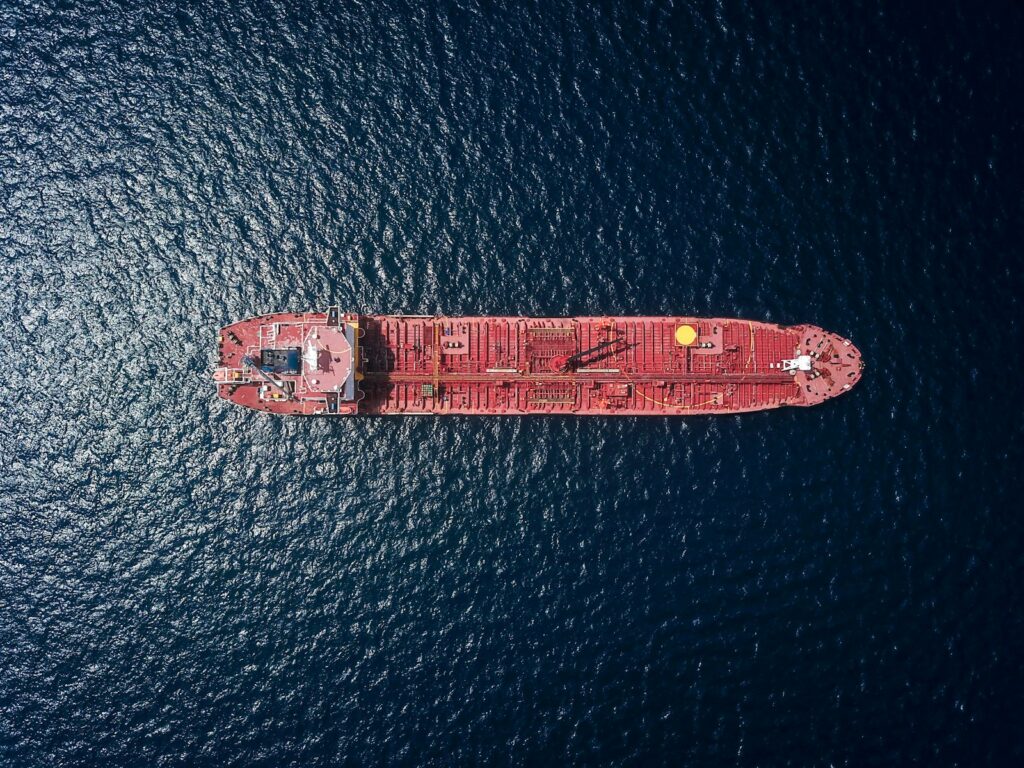
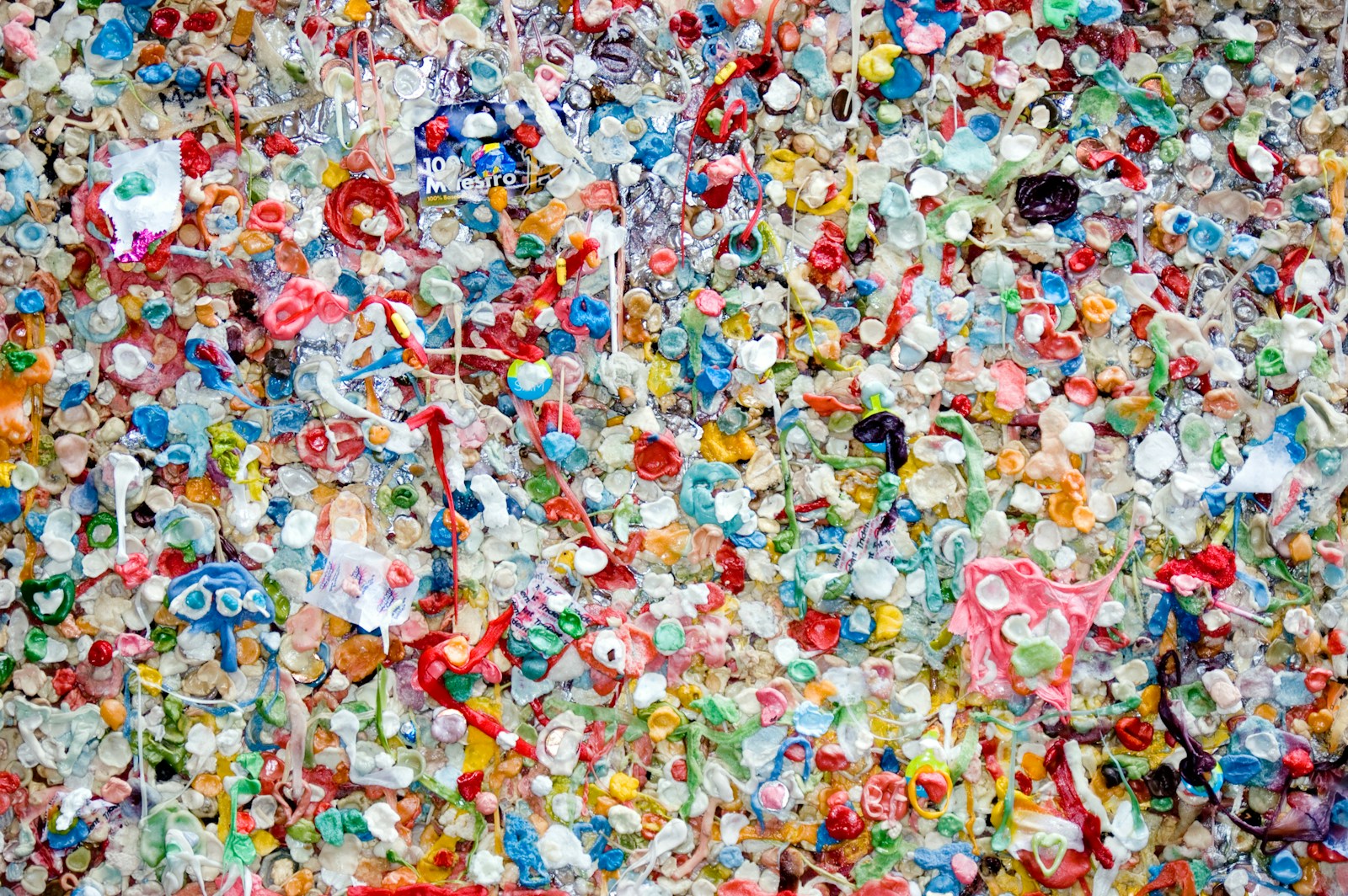
Image: Marc Newberry / Unsplash
More on pollution, waste, and recycling:
Local authorities can save millions with brownfield restoration biochar treatment