













New data from the Environment Agency shows further surges in pollution events, potentially impacting crops and livestock.
The official statistics show a 29% increase in incidents leading to pollutants entering Britain’s water system in 2024, or 2,801 individual events. Meanwhile, incidents defined as ‘serious’ rose by 60%.
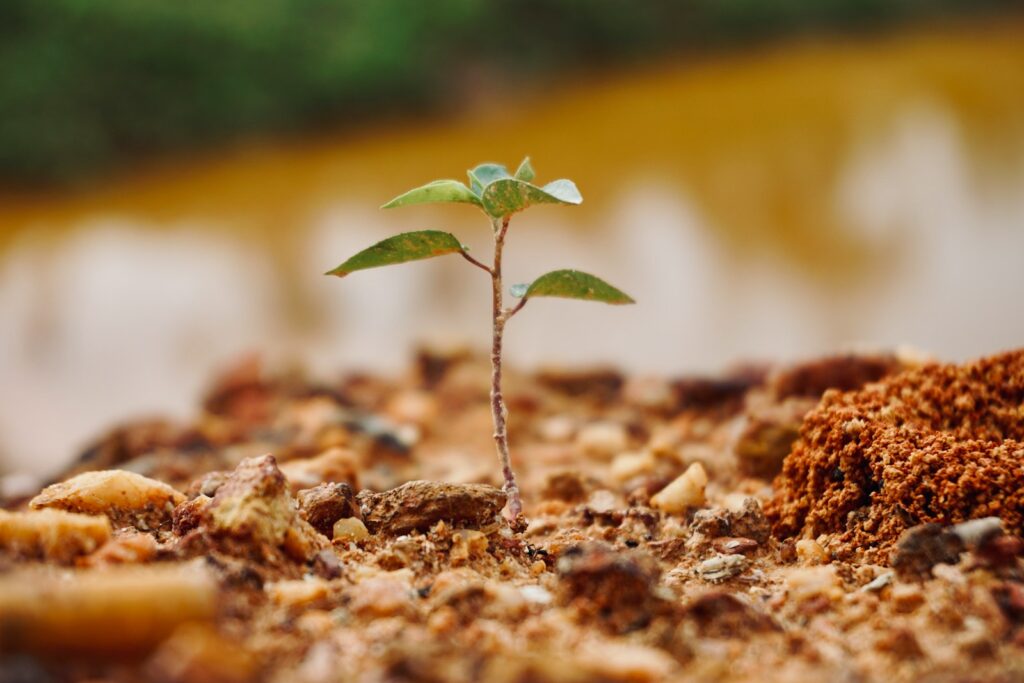
More significant cases of water contamination are particularly concerning as they can directly endanger a number of supplies. This includes water drunk by farm animals, alongside wash down reserves, which could severely impact on hygiene processes.
According to Hydrachem’s Chief Technical Officer, Elliot Firth, organisations and individuals which rely on clean and safe forms of such water supplies should now consider taking steps to ensure purification. This includes preventative disinfection solutions, even if no incidents have occurred close by.
‘Water is the lifeblood of food production, and when it’s compromised, the entire system is at risk. The rising frequency and severity of pollution incidents create dangerous safety gaps that can affect everything from crop irrigation to animal drinking water and wash-down processes,’ he said. ‘Farmers and food producers are under growing pressure to maintain hygiene and safety standards, yet water quality is too often the weak link. We need urgent, preventive action before pollution events lead to real food security crises.
‘Farmers face rising costs, unpredictable weather and increasingly unsafe water supplies,’ Firth continued. ‘Our mission has always been to protect lives and livelihoods by ensuring water safety at every stage of the food chain. As contamination becomes more common, water quality and hygiene standards must be managed as a constant operational risk, not an emergency – only then can we safeguard the integrity of UK food production.’
Image: Hydrachem / Unsplash
More Pollution, Waste & Recycling:
Derbyshire facility will trial first-of-its kind chemical recycling
1.8m motorists sue car companies over defeat devices, industry trust plunges