

















Manchester, Edinburgh, Leicester and Liverpool also feature in the UK top five, although none ranked globally.
TomTom has released its 15th annual Traffic Index report, and it’s bad news for London which has come out with the slowest average travel time of any capital city for the third year in a row.
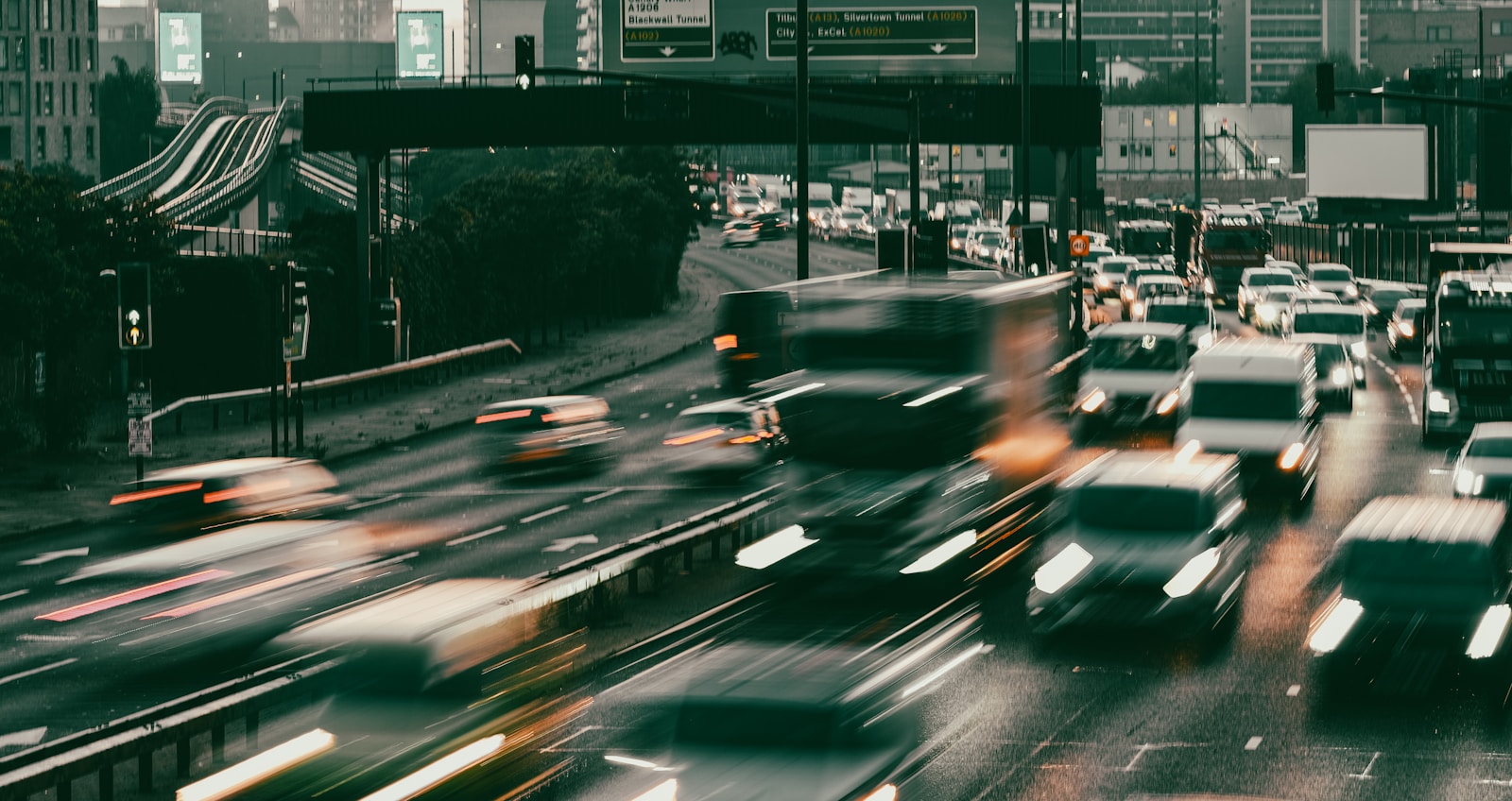
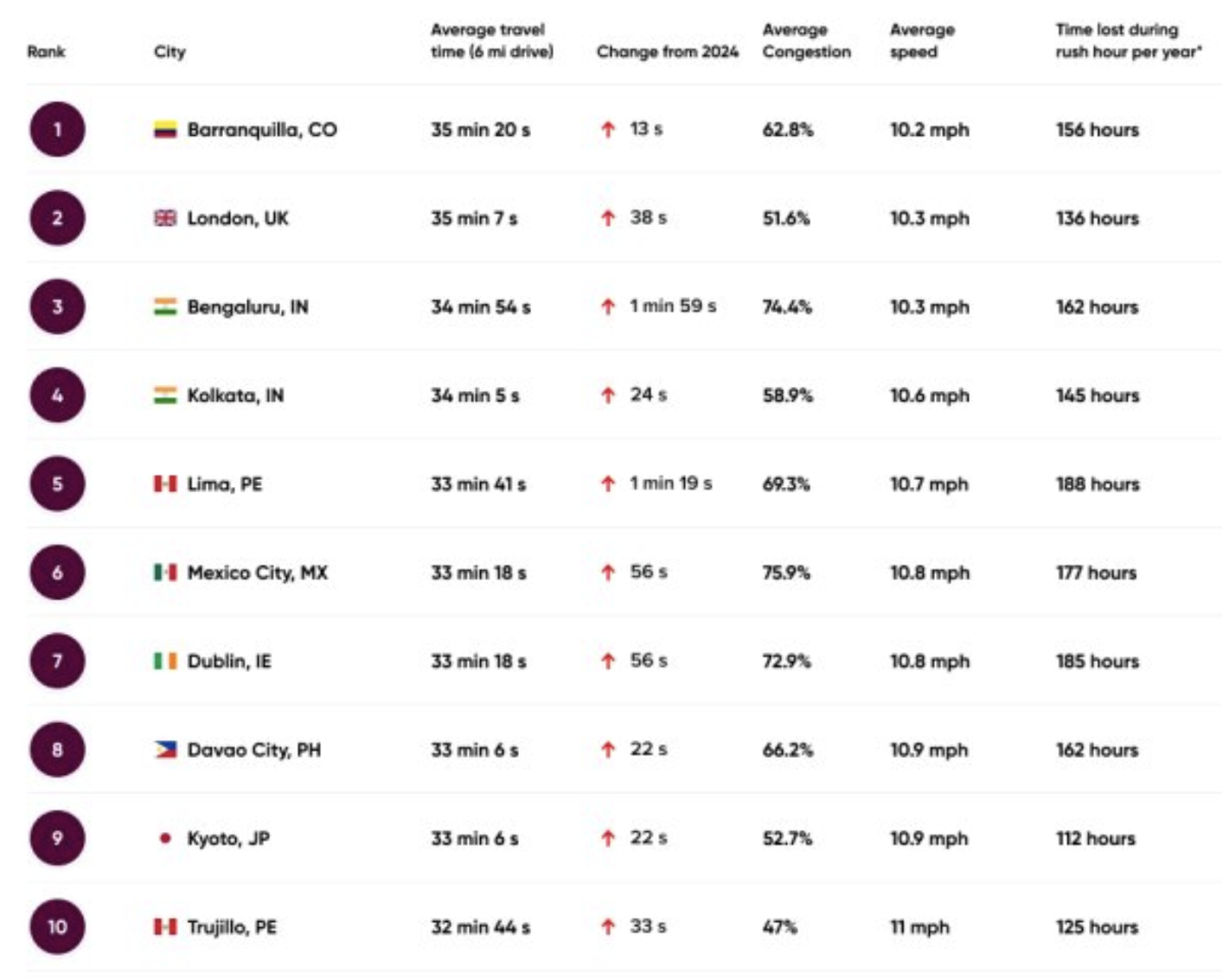
According to the analysis, Londoners spend an average of 136 hours per year stuck in their cars battling rush hour traffic – placing the Big Smoke in the top 20 for time lost to traffic. This equates to drivers taking 35 minutes to complete a six mile trip.
On so-called Jam Wednesday – 10th September – congestion soared even higher than usual, with traffic jams up by 91% as a result of Underground staff striking. However, it’s worth noting that more people than ever opted to hire bikes to overcome the industrial action, with e-bike operator Lime reporting a 75% spike in trips.
On the whole, congestion in London was up by one point on 2024’s study, making it not only the slowest of the capital cities but second slowest city in general. Only Barranquilla, Columbia, came out slower. Meanwhile, Indian metropolises Bengaluru and Kolkata trailed just behind Britain’s biggest.
Looking at the domestic picture, Edinburgh, Manchester, Leicester and Liverpool also featured in the top five for UK’s slowest moving cities. Most fared poorly for time lost to traffic too, although residents of these towns enjoy at least 13 hours a year out of jams compared to the capital.
Amazingly, though, London was not the UK’s worst for congestion, ranking eighth nationally. Belfast and Edinburgh took first and second spots respectively, with Cambridge, Exeter, Brighton & Hove, Norwich, and Kingston Upon Hull all ensuring worst traffic jams. Bristol and Southampton rounded out the top 10. In comparison, Oxford, Exeter and Southampton actually saw congestion fall.
‘London’s place as the slowest capital city in the Traffic Index really highlights the strain on the city’s roads,’ said Andy Marchant, Traffic Expert, TomTom. ‘Many of these streets were built in the Middle Ages and expanded in the Georgian era, but they simply weren’t built for the volume and variety of traffic we see today. We’re seeing the effects of more people heading back to the office (with many major employers returning to four or five-day office working), as well as the impact of ongoing Tube strikes. At the same time, there’s a growing shift towards cycling and alternative ways of getting around. Changes like the 20mph speed limits are starting to shape how people move and how safe those journeys are. It’s not just London. Congestion is rising in cities like Belfast, Edinburgh and Manchester, too.’
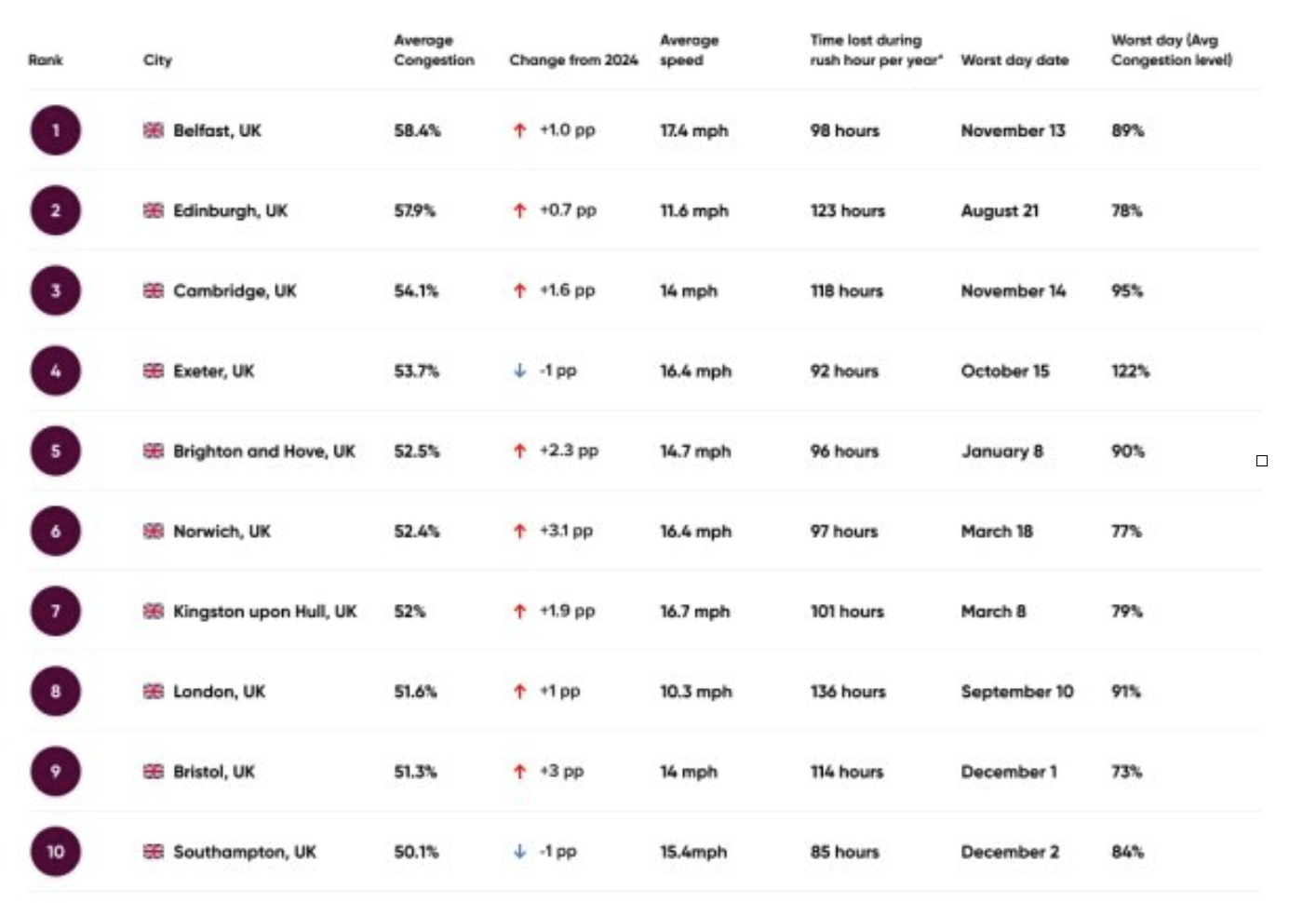
Image: Kevin Grieve / Unsplash
More Transport, Planning & Infrastructure:
Suffolk County Council begins major EV infrastructure rollout
Definitely not HS2: new Manchester-Birmingham rail route proposed, again