















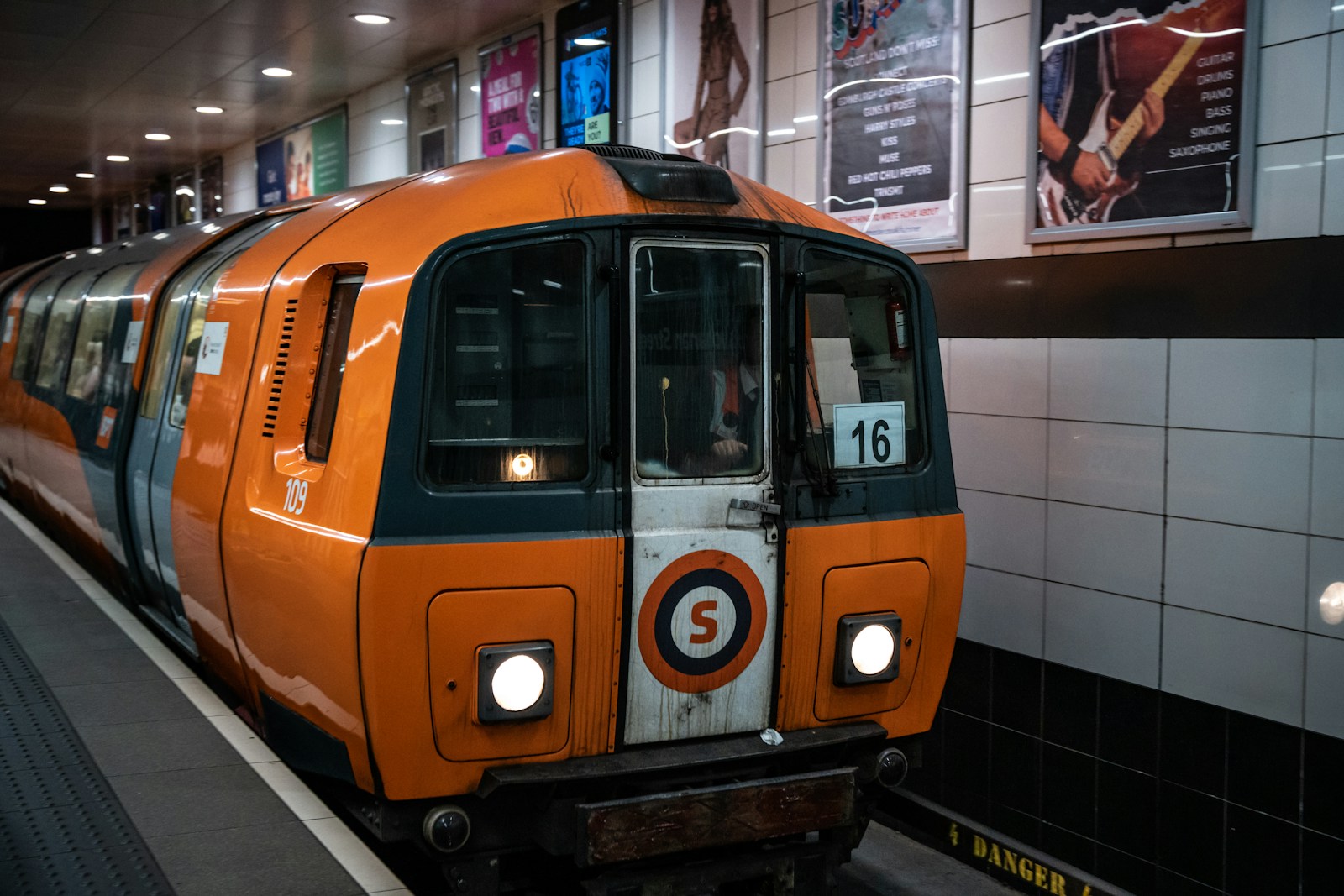
From this week residents can ride bus, train and subway lines without paying in a bid to remove barriers to access.
On Monday 9th February the Glasgow authority issued complementary ZoneCards to 500 people who had pre-signed up to the seven week trial scheme. Participants were selected through community and support council organisations, and based on the likelihood they would face obstacles otherwise, including being unable to afford tickets.
Others were chosen based on healthcare and the need to access essential services. First Bus, Stagecoach, the Subway, and ScotRail routes throughout the metropolitan area are all covered until 29th March.
They will now be able to travel around Scotland’s second city without paying, in exchange for helping the local government collect date on passenger behaviour and the potential impact of toll-free transport on engagement with employment, education and healthcare.
Glasgow’s Green Party, which was responsible for tabling the project, has welcomed the decision to press on with the trial, describing the offer as a ‘gamechanger’. The group has already pushed the message that encouraging more people to ride public transport modes is beneficial to vulnerable and low income residents, and the environment.
‘This pilot will demonstrate the transformative effect of making transport more accessible,’ said Cllr Christy Mearns, the Greens’ transport spokesperson. ‘With so many people unable to use public transport in ways that suit them, due to cost, and given many don’t have access to a car, it’s imperative that we challenge this head on. ‘Transport is a large cause of our country’s emissions, so not only would free public transport help people’s pockets, but it will hopefully help the planet too.’
Cities across the world are either considering or have implemented similar systems. Hasselt, Belgium, abolished tickets in 1997 and saw a 13-fold increase in ridership by 2006. Estonia’s capital Tallinn introduced its own policy in 2013 following a public vote. Last year Belgrade followed suit, offering 1.38 million citizens complimentary travel. Meanwhile, the US state of Washington is now home to 14 rural transit networks that do not charge for tickets, and Luxembourg no longer has fares within its national borders.
Image: Winston Tjia / Unsplash
More on Transport, Planning & Infrastructure:
These are the most common obstacles to public EV charge points
London is officially the world’s slowest capital city (again)