
















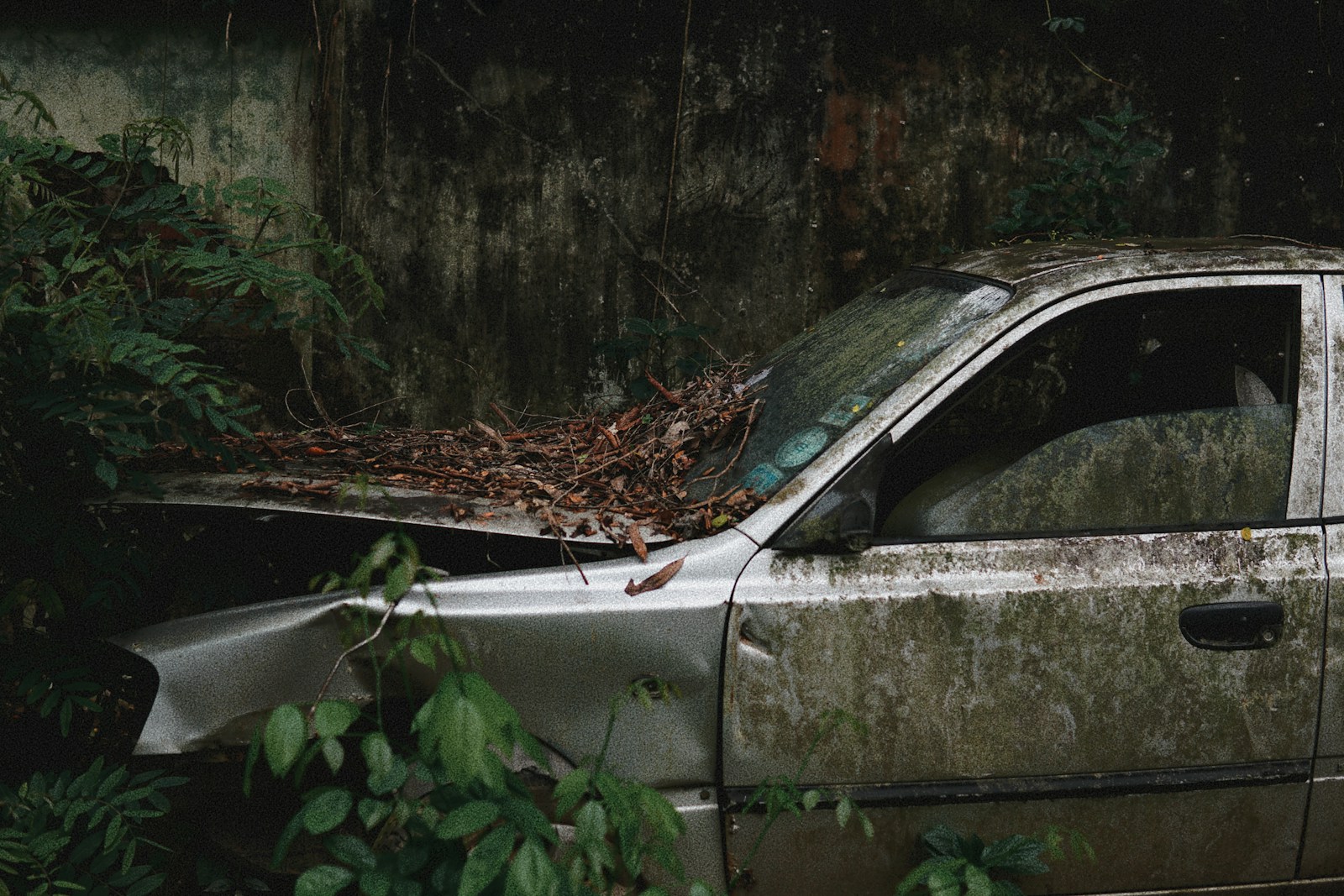
The city’s mayor has hailed the initiative a success, removing older and dirtier models from the streets.
In total, 35,094 car and 17,964 vans have now been scrapped through the ULEZ scheme. 88% of funding for replacement vehicles went to Outer London boroughs, which benefitted most from the programme, which launched in 2023.
Although most models being taken off the streets were destined for scrap, 680 vehicles were sent to Ukraine to support medical and humanitarian efforts. Overall, the reduction in carbon emissions has been equal to three million flights from Heathrow to New York.
Nitrogen oxide output has fallen by 36% , equal to all passenger car journeys in Los Angeles during an average year, and 99% of all air quality monitoring stations have recorded improvements at a faster rate than anywhere else in England.
The distribution of these changes also contribute to a levelling up within the city, as the most deprived boroughs have seen the greatest improvements in air pollution. Modelling against a no-ULEZ scenario showed many of the poorest communities have experienced an 80% fall in atmospheric pollutants.
Efforts to catalyse public transport use and active travel journeys was also seen to be successful. Scrappage options including annual bus and tram passes, for example, were encouraging people to move away from private travel modes. 18% of car and motorcycle scheme respondents reported walking more, 12% were more likely to use other active or public transport options. 29% decided not to spend their grant on a replacement vehicle, with 81,000 people switching to buses and trams across the city’s 33 boroughs.
‘The ULEZ has been a great success, driving down toxic pollution and ensuring everyone living, working and visiting in London is breathing cleaner air. The vast majority of vehicles on London’s roads – more than 97 per cent – are now ULEZ compliant, up from just 39 per cent in 2017,’ said Christina Calderato, TfL’s Director of Strategy.
‘The scrappage support schemes have played a vital role in helping Londoners, London-based charities and businesses to remove more than 53,000 older and more polluting vehicle from the capital’s roads,’ she continued. ‘People in outer London played their part in the green transition and were supported in doing so with most of the funding going to those living in outer London boroughs. We welcome the positive move towards more walking, cycling and greater use of public transport the scheme has supported, which contributes to the Mayor’s wider goal of 80 per cent of journeys taken via these sustainable forms of transport by 2041.’
Image: MD YOUSOF ALAM / Unsplash
More on Transport, Planning and Infrastructure:
Shipping emissions must be included in Paris climate measurements
£15bn for South Yorkshire, West Yorkshire, North East, West Midlands transport
Bus Services Bill empowers councils to protect ‘socially necessary services’