













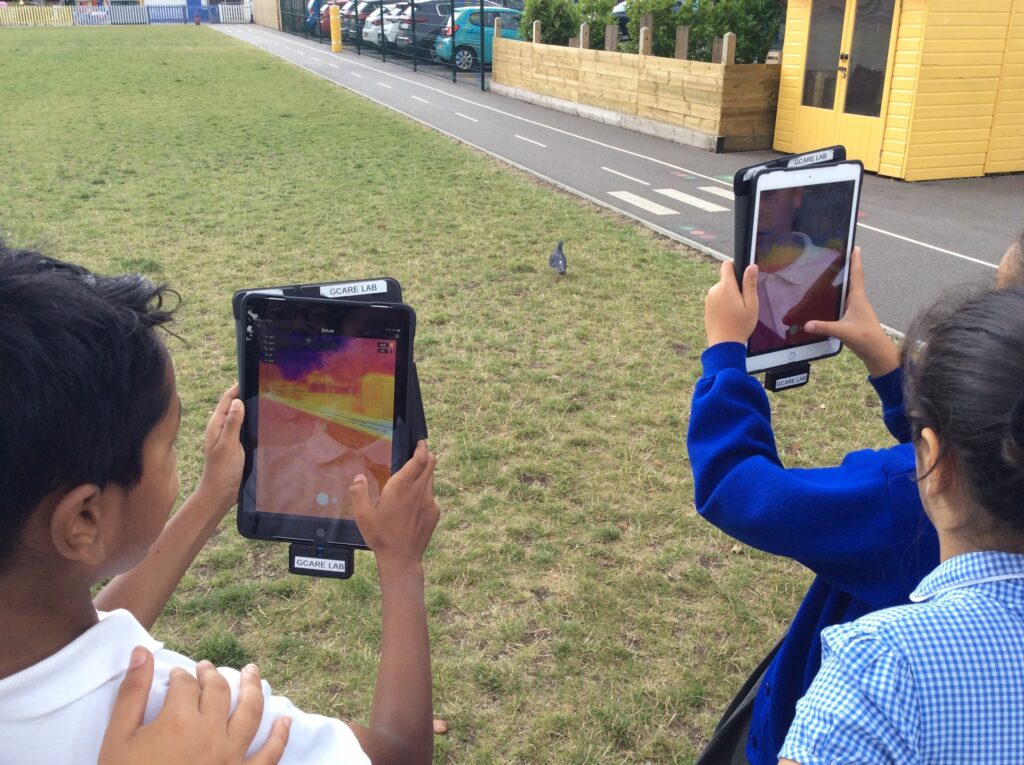
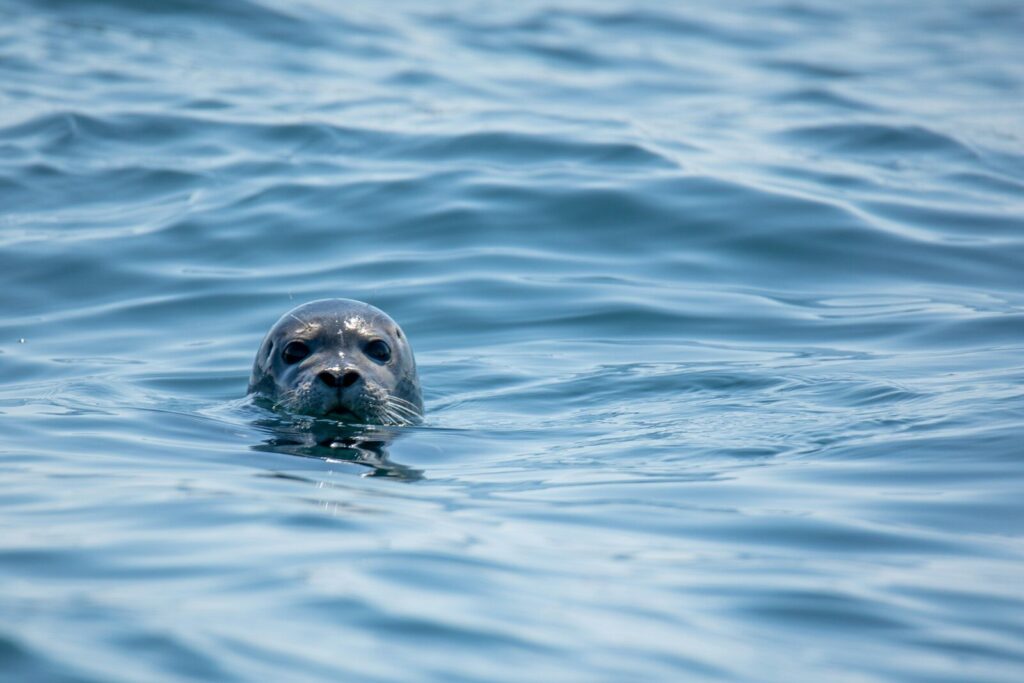



Communities across the UK are being invited to explore the hidden world of coastal rock pools as part of a nationwide wildlife competition taking place later this month.
The Big Rock Pool Challenge National BioBlitz 2026, organised by The Rock Pool Project and the Marine Biological Association, will run from 23rd to 31st May, encouraging people of all ages to head to their local shoreline and record marine species in a unique blend of citizen science and friendly competition.
Participants, ranging from families and schools to community groups and wildlife enthusiasts, will compete to discover and document the rich biodiversity living in rock pools around the UK. Using the iNaturalist app, they can upload photographs of their finds and earn points for every species identified, with rarer and harder-to-spot creatures worth more.
Dr Ben Holt, CEO of The Rock Pool Project, said: ‘This is about turning curiosity into action with a healthy bit of competition along the way! Whether you’re competing with your friends, exploring with your family, or just seeing what you can find, every record you upload helps build a national picture of life on our shores. There are some great prizes up for grabs, but the real reward is discovering the variety of amazing wildlife on your local coast.’
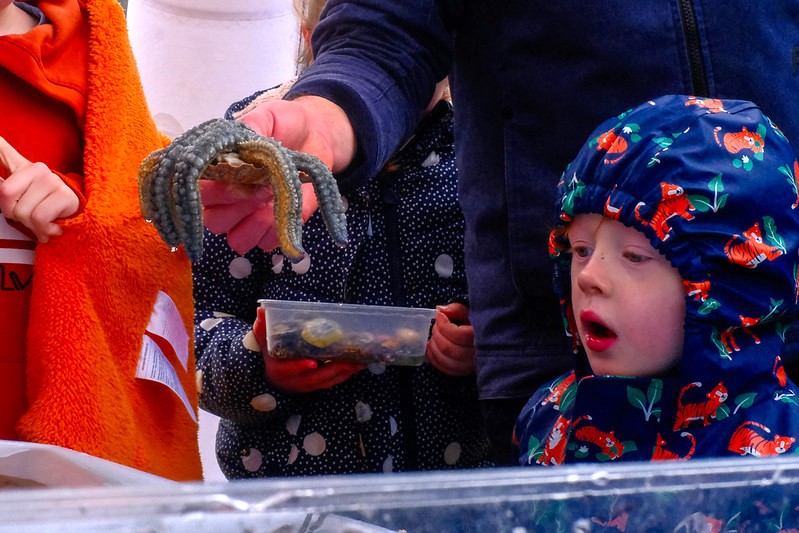
The event will also place a particular focus on invasive non-native species, with double points awarded for spotting and recording them. Marine scientists are increasingly concerned about the spread of species such as Darwin’s barnacle, slipper limpet and wireweed, which have become more common along UK coastlines in recent decades.
Data collected during the BioBlitz will help researchers monitor biodiversity changes and track how invasive species are affecting native ecosystems.
Participants can follow their progress through live leader boards on The Rock Pool Project website, competing both regionally and nationally for a range of prizes. Bonus points will also be available for exploring lesser-surveyed coastal locations, increasing the chances of discovering rare or unusual species.
Throughout the week-long event, marine experts will host live online sessions to help participants identify their finds and learn more about the marine life inhabiting Britain’s rocky shores. A growing online community will also offer support, alongside the app’s AI-powered image recognition tools.
The competition builds on the success of the inaugural 2025 challenge, which recorded more than 400 coastal species, including 169 non-native species sightings.
Organisers hope this year’s event will attract even more budding citizen scientists, helping to deepen understanding of the UK’s changing marine environment while inspiring a new generation of coastal explorers.
Click here for more information.
Photos:© The Rock Pool Project