













Messaging from the Met Office is clear – many southern regions will experience ongoing downpours and unpredictable patterns well into March.
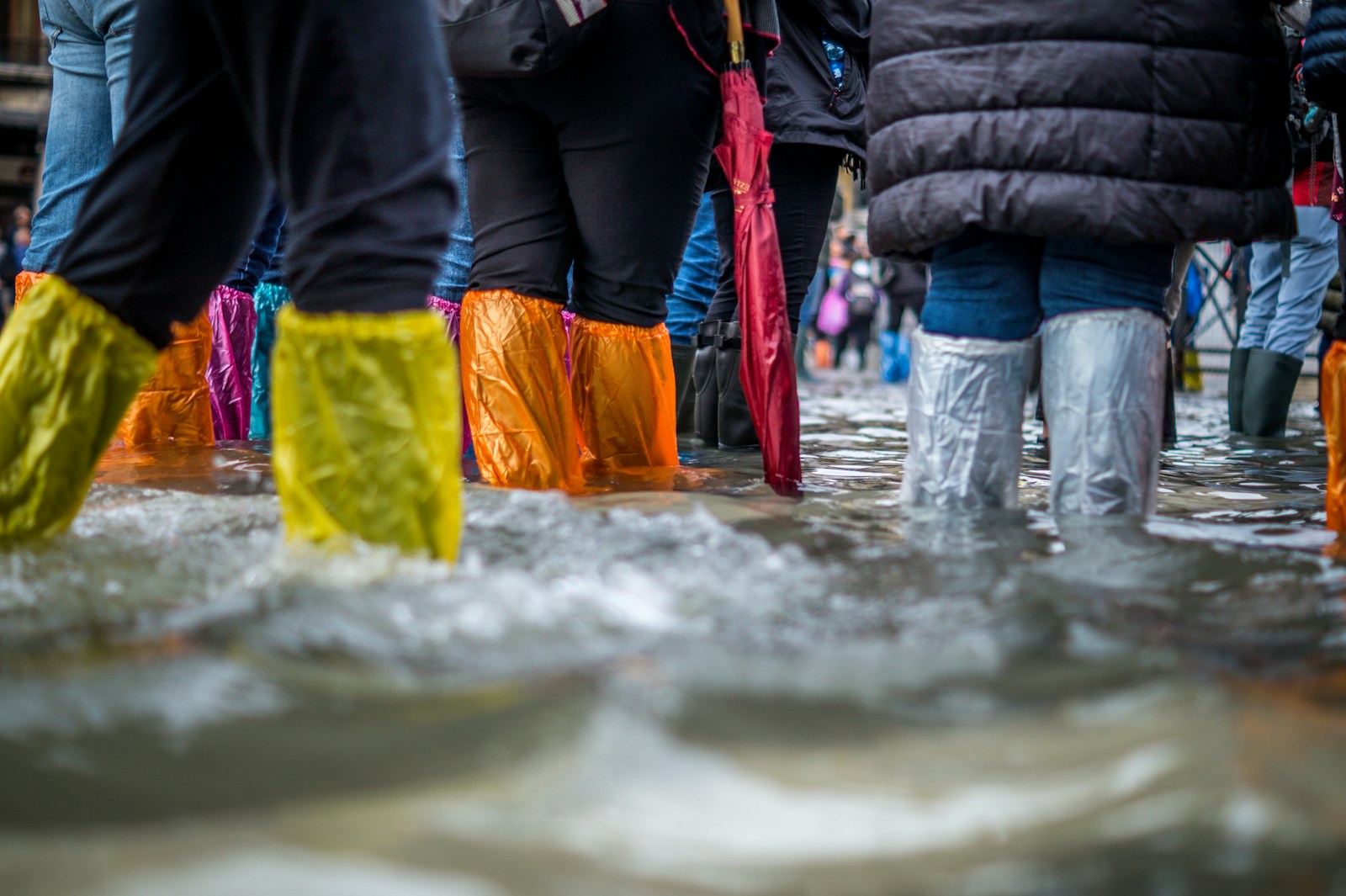
Already 2026 has delivered unprecedented levels of rainfall, with some parts of the South West dealing with up to 216mm of precipitation already this year. No ones than 184% of the long-term average for the same period in the past.
29 square miles of the Somerset Levels and moors are underfloor, and new warnings have been issued for more deluges in the coming days. Following this, unpredictable and unsettled conditions are expected to start moving further north.
Even so, most of the red flags are still being raised for southern areas, which have been warned of persistent conditions though to mid-March. The Environment Agency has deployed 28 ultra-high volume pumps to Somerset, supporting 60 high volume pumps across the county and parts of Dorset and Wiltshire. Elsewhere, the River Severn now has temporary barriers in place at Bewdley, Worcestershire, and Oxford, in a bid to protect residents.
Meanwhile, the Thames Barrier will close on Thursday 19th February to handle higher than normal tides. The Jubilee River flood relief channel will continue to be operational to alleviate pressure. 355 properties have been flooded but without the additional measures, 24,500 homes could have been at risk.
‘Wet weather has persisted for many areas over the past few weeks, with repeated Atlantic low pressure systems leaving ground conditions particularly saturated across southern parts of the UK,’ said Sarah Davies, Head of Energy and Environment at the Met Office.
‘While it is likely to remain changeable over the next few weeks, with further wet weather at times, the focus for the wettest conditions is expected to shift to western hills, where we would normally expect it at this time of year,’ she continued. ‘However, given some areas elsewhere remain sensitive following recent rain, any further spells of rain as we head into early spring has a higher chance of causing some impacts than normal for this type of setup.’
Image: Jonathan Ford / Unsplash
More on Biodiversity & Climate Change:
New tourism standard tracks environmental and human impact of holidays
IPBES report unveiled in Manchester: no future for business without biodiversity
River managers need to understand the real impact of Himalayan balsam