

















The circular economy comes of age with water conservation as a business strategy, sustainable telecoms and more. We get the lowdown on what to expect from 2026.
Sustainability has historically been framed as a moral obligation or a reputational safeguard. The New Year heralds a shift – sustainability is no longer a nice-to-have, it is fast becoming an economic necessity and a competitive advantage.
The circular economy comes of age
The circular economy has long been piloted and championed by early adopters but in 2026, it looks set to enter the mainstream. Global manufacturers and brands are embedding repairability, recyclability and waste reduction into product design. Not just to meet sustainability goals, but to protect margins and future-proof supply chains.
To demonstrate how being more sustainable can also help the bottom line, household names, such as Philips, now generate a growing share of revenue from circular business models. Through refurbishing medical imaging equipment, it delivered 26% of revenue through circularity in the third quarter of 2025.
Similarly, furniture giant IKEA, the world’s largest furniture retailer, has rolled out buy-back and resale schemes, demonstrating how circular models can unlock new income, while reducing landfill.
According to the Ellen MacArthur Foundation, circular business models are transforming how businesses create and capture value. By moving beyond the linear take-make-waste approach, companies are unlocking new ways to grow, while reducing their reliance on finite resources.
In Europe alone, circular markets could be worth €1.5 trillion by 2040. Businesses acting now are generating new revenue streams and building stronger relationships with their customers, all while becoming more resilient in a rapidly changing world.
Doing business differently
A circular business model is designed to create and capture value by keeping products and materials in use at their highest value. Examples of circular business models include rental, repair and refurbishment.
Instead of following a straight line from production to disposal, resources in a circular business model keep flowing through the economy. In doing so, they decouple economic activity from the extraction of raw materials.
Momentum is also being driven by regulation. The EU’s Ecodesign for Sustainable Products Regulation and new ISO standards on circularity and lifecycle assessment are reshaping how products are designed and measured. The effect will be felt far beyond Europe, as global supply chains align with these benchmarks.
Water conservation becomes a core business strategy
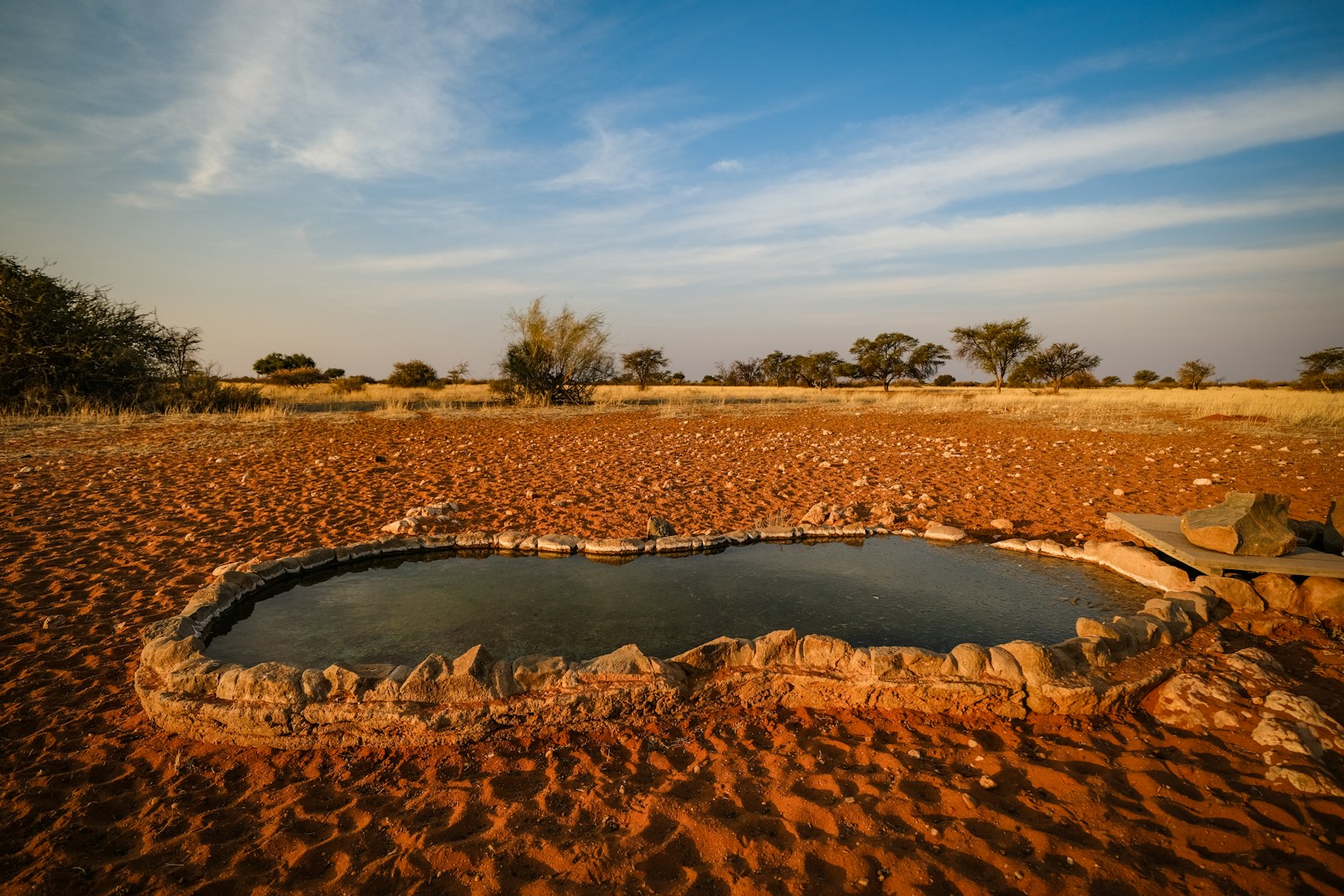
Water, long undervalued and underpriced, is emerging as one of the defining sustainability challenges of our time.
The World Resources Institute estimates 1/4 of the world’s population already lives in countries facing extremely high water stress, a figure expected to rise sharply this decade. In response, technology manufacturers are embedding water efficiency into products. Siemens, for example, has developed digital water management systems that allow industrial users to cut water consumption by up to 20%, by tackling leaks and blockages.
The SIWA Leak Finder app uses data from smart flow meters to reduce water losses from pipe leaks by up to 50 per cent. The app’s AI analyses flow data and identifies leaks as small as 0.2 litres per second. While data from any flow meter can be used for the app, the integration of the Siemens sensor eliminates the need for specialist knowledge.
Similarly clogged pipes in sewer systems can lead to pollution that also affects households and the environment. Siemens’ SIWA Blockage Predictor application applies AI to water level data from sewers, to detect blockages, inflow and infiltration.
Wireless telecoms steps up on sustainability
As we enter a New Year, consolidation taking place across the European telecom sector will lead to a leaner, more sustainable wireless ecosystem – one increasingly focused on reducing energy consumption, minimising e-waste and extending the life of devices.
Vodafone’s device recycling programme, One for One, has promised private customers in Germany that for every new mobile phone bought, the company will bring an old one back into the recycling ecosystem.
Over the past two years, together with leading provider of e-waste compensation, Closing the Loop, Vodafone has collected more than 1.5 million mobile phones for professional recycling – equating to more than 80 tonnes of e-waste. After reaching its 2025 goals, it now plans to work with others across the e-waste management system to inform future targets.
The Global E-waste Monitor estimates that less than 25% of electronic waste is formally recycled, and this type of stream is rising five times faster than documented e-waste recycling, representing both an environmental liability and a lost economic opportunity.
Crucially, sustainability teams within telecoms are shifting focus. Environmental impact is now being assessed alongside cost savings, energy resilience and system efficiency. This reflects a broader shift across sectors – sustainability is no longer a cost centre, but a performance driver.
From compliance to competitive edge
What ties these trends together is a fundamental change in motivation. In 2026, sustainability is being driven as much by economic reality as by environmental responsibility. Energy volatility, water scarcity, material insecurity and regulatory complexity are forcing businesses to rethink how they operate.
As we move into 2026, the winners will be those who recognise that sustainability is no longer about compliance or optics – it is about resilience, innovation and long-term value creation.
Steve Harding is founder and CEO at Showerkap, a pioneering UK climate tech company addressing water scarcity, energy use and CO2 emissions.
Image: Dylan Gillis / Unsplash
More Case Studies, Features & Industry Insight:
Homegrown heroes: UK’s first Green Future Fellows rewarded for eco efforts
Workers’ rights, Scope 3 emissions: cleaning out supply chains for 2026