

















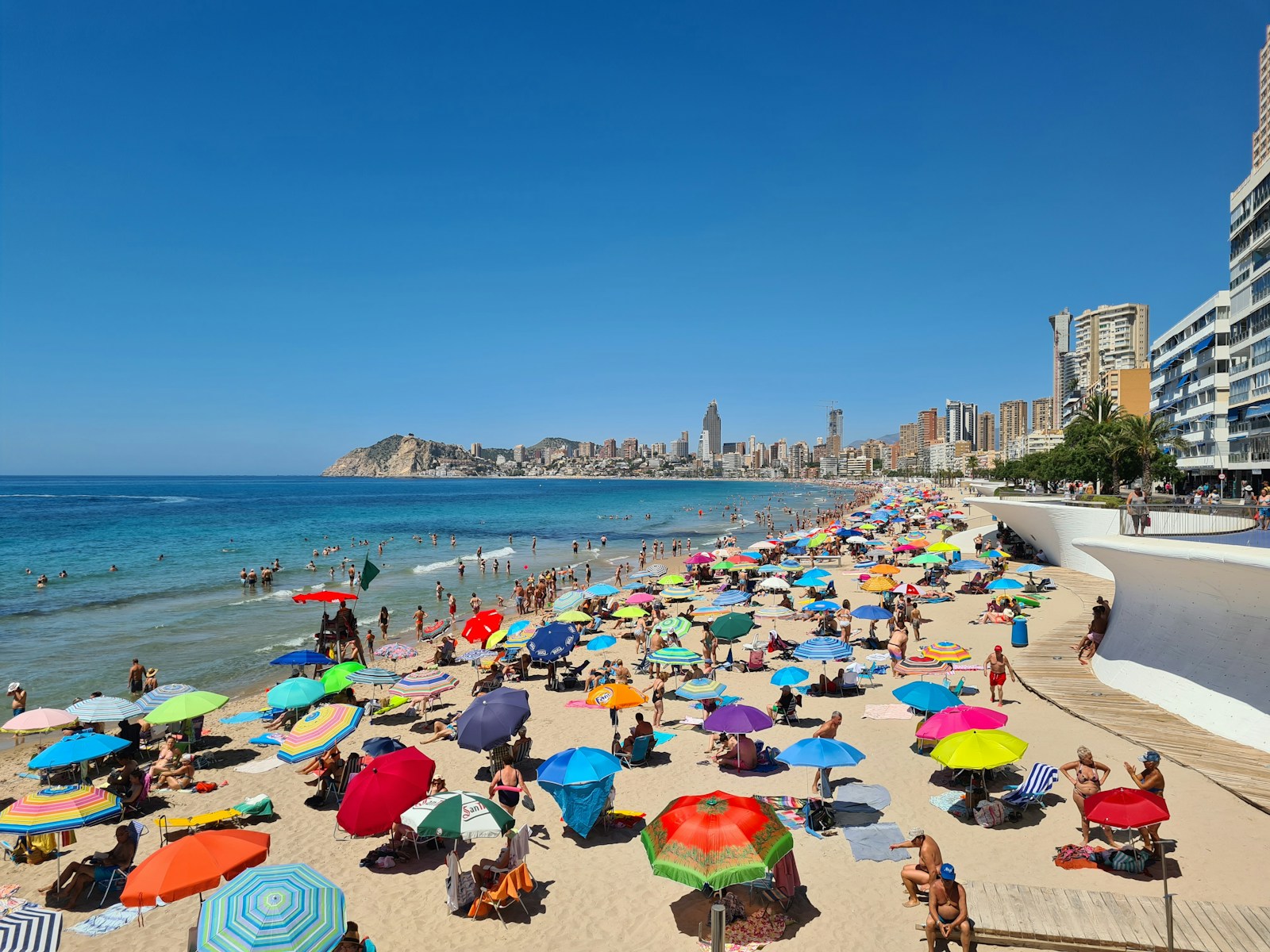
Late-winter is peak booking season for people looking to escape abroad in summer. Now the British Standards institute has developed a way to measure the true footprint of those trips.
Unveiled early February, the BSI wants to help tourism operators enhance sustainability performance, contribute to conservation projects, and encourage climate friendly practices.
According to a recent study by VisitBritain, a third of Britons strongly agree that sustainable travel is ‘really important’, rising to just under half – 48% – among those aged 25-34. By aligning sustainability management with measurable outcomes, the standard can ensure that the industry can begin tracking both positive and negative environmental outcomes in real time, with true consistency across the sector.
Water consumption, waste management, energy use, food loss, single-use plastic, biodiversity decline and gain, soil contamination and more are all factored into the BSI system. A core aim is to now develop a structured set of sustainability indicators and contribute to evidence-based sustainability management, not ad hoc and piecemeal efforts, allowing for benchmarking and reporting in line with the UN Sustainable Development Goals.
‘Tourism is a key part of the global economy, creating huge opportunities for local communities and bringing great joy to travellers looking to explore new places,’ said Sebastiaan van Dort, BSI’s Director of Sustainability and Energy. ‘Considering its environmental, social and human impacts is therefore vital in enabling progress towards a sustainable world. This guidance aims to help the sector effectively measure and manage its environmental, social, human and economic, by providing clarity on what sustainable tourism truly entails.’
Image: Martijn Vonk / Unsplash
More on Biodiversity & Climate Change:
IPBES report unveiled in Manchester: no future for business without biodiversity
River managers need to understand the real impact of Himalayan balsam