

















More than 350 threatened species across England are set to benefit from a £60 million conservation programme described as the largest investment of its kind in the country’s wildlife recovery.
Natural England announced funding for 130 projects as part of the Government’s ‘Wild Again: Restoring England’s Wildlife’ initiative, which aims to reverse decades of biodiversity loss and support the recovery of plants, animals and fungi at risk of extinction.
The programme will target 364 threatened species, including birds, mammals, insects, reptiles, plants and marine life, with projects taking place across England.
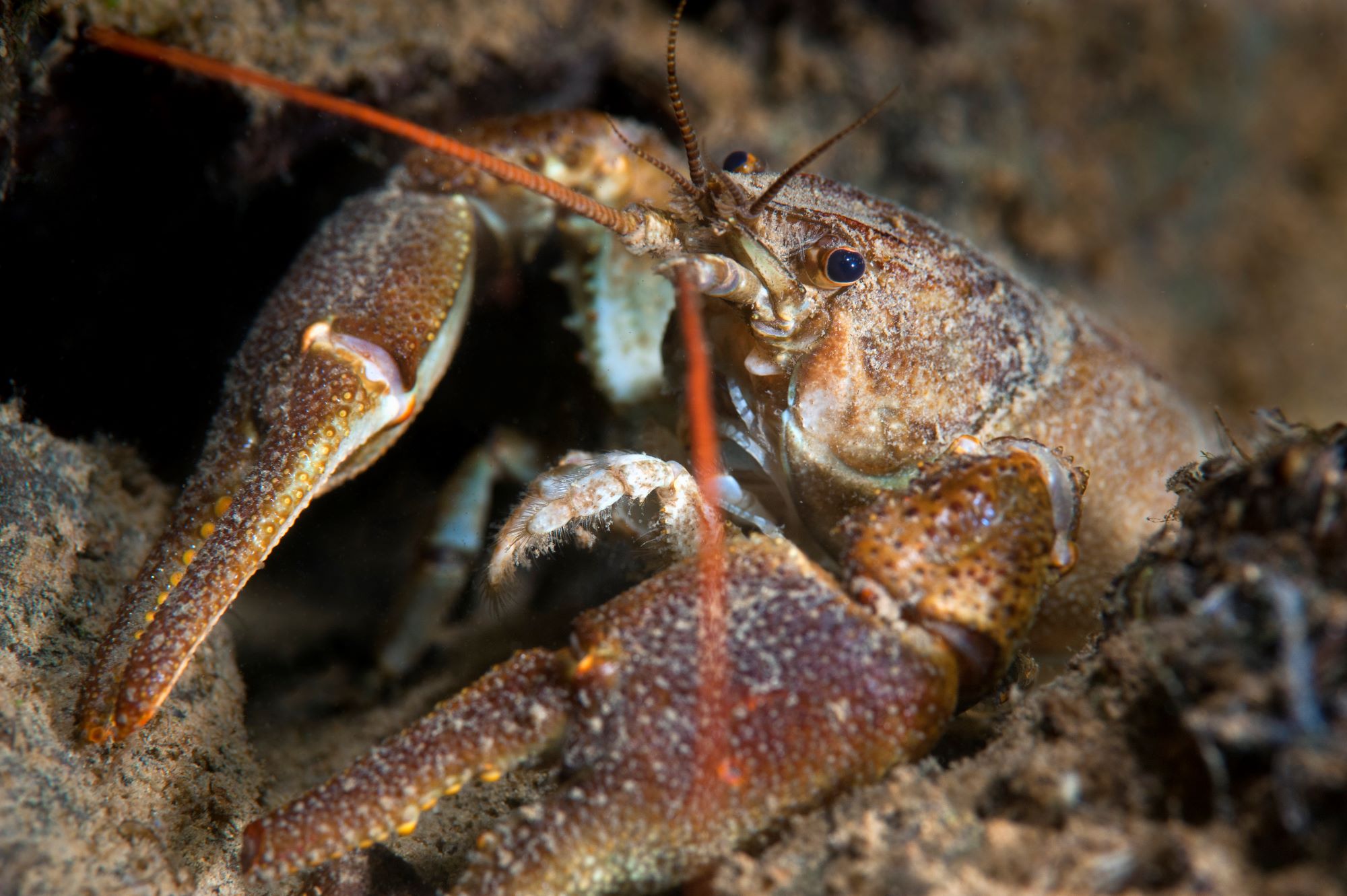
Among the species expected to benefit are the swallowtail butterfly, the ghost orchid, the northern dune tiger beetle, the white-clawed crayfish (more of which below) and the field gentian, one of England’s rarest flowering plants.
A full list of the projects can be found here.
According to Natural England, wildlife populations have fallen by around a third since 1970, while one in six species in Great Britain is now considered at risk of extinction.
Several projects will focus on farmland, where some of the steepest declines in wildlife have been recorded. The programme aims to support farmers and land managers in restoring habitats while maintaining food production, including improving conditions for pollinating insects that play a key role in crop yields.
The funding will also support the use of new technologies in conservation. Detection dogs and environmental DNA sampling will be used to help locate the ghost orchid, one of the UK’s rarest plants, which went unrecorded for more than two decades before being rediscovered in 2009.
As part of the programme, Native Species Recovery Hubs led by members of the British and Irish Association of Zoos and Aquariums (BIAZA), together with partner organisations, will coordinate breeding and release programmes for 16 rare invertebrate species., aiming to increase their populations and expand their range in the wild.
Natural England said the hubs will also help engage the public in conservation by working with zoo visitors, researchers and specialist groups to raise awareness of England’s biodiversity.
The investment forms part of wider government efforts to restore nature and improve the condition of habitats across England, with the programme seeking to protect some of the country’s rarest species while strengthening ecosystems for the future.
The aforementioned white-clawed crayfish is the UK’s only native crayfish species and has seen its numbers plummet by up to 80% over recent decades, pushing it to the brink of global extinction.
The culprits behind this dramatic decline are familiar and formidable: polluted waterways, shrinking habitats and invading non-native crayfish that carry diseases. White-clawed crayfish are nature’s unsung cleaners, recycling decaying matter and filtering water as they go. They also sit at the heart of the river food web, feeding otters, herons, eels, and prized fish like salmon and brown trout.
Over the next three years, the recovery programme will focus on safeguarding surviving populations and identifying strongholds where crayfish can thrive free from predators and disease. Conservationists will breed and release juveniles into carefully selected safe havens, using cutting-edge mapping to pinpoint locations where the species can be protected for the long haul.
Stan Smith, head of nature and species recovery at The Wildlife Trusts, said: ‘This programme represents a significant milestone for white-clawed crayfish conservation. For the first time, we have the opportunity to coordinate action at a truly national scale, bringing together the expertise of conservationists, scientists and practitioners from across England.
‘Through a combination of targeted nature recovery efforts, breeding and reintroduction programmes, and innovative research, we can give this iconic native species a lifeline; together we’re creating the best possible chance for white-clawed crayfish to thrive in healthy English waterways once more.’
Photo: White-clawed crayfish (c) Alexander Mustard 2020VISION