













Effective communication is one of the most important climate action catalysts. A new blueprint from Yorkshire and Humber Climate Commission can help councils connect with everyday people.
For many working in environment and sustainability roles the case for climate action is clear, the science well established and the impacts increasingly visible. The need to reduce emissions is widely known, but often we struggle to communicate the ‘hows and whys’.
For many of us, the public facing conversations about climate can sometimes feel disconnected from the reality of the vital work taking place in communities.
Across local government and the wider public sector significant progress is being made. Councils are investing in cleaner transport, improving the energy efficiency of homes and public buildings, restoring natural habitats and strengthening resilience to extreme weather. But while the action is happening, the way we talk about it does not always connect with people’s everyday experiences.
Communicating the Research
Research consistently shows that most people care about climate change and the natural environment. In fact, 74% of Britons say climate change is important.
But many people feel that climate discussions are distant from their daily lives or framed in language that feels technical, institutional or downright inscrutable. If climate and nature policies are to succeed, then clearer communication must play a central role.
An Introduction to Talking Climate
This is why ADEPT, working with the Yorkshire and Humber Climate Commission, has produced a new guide for public sector communicators called An Introduction to Talking Climate.
The guide draws on extensive research including the Britain Talks Climate and Nature programme led by Climate Outreach and reflects learning from working at place level with residents, business and community groups.
It sets out practical ways for organisations to communicate about climate and nature in ways that resonate with people’s everyday lives.
One of the key insights is that often, the language used in policy discussions can create barriers to engagement. Terms such as decarbonisation, mitigation and even net zero are familiar to professionals but not always easily understood outside that context.
For example, climate action can mean cleaner air in our towns and cities, warmer homes that are cheaper to heat, more reliable public transport and greater protection from flooding and extreme weather.
When climate action is framed in terms of these everyday benefits it becomes easier to understand and easier to support.
The guide also highlights the importance of linking climate action with the protection and restoration of nature. Research shows that people feel a strong emotional connection to nature and are proud of the natural places that shape their communities.
Explaining how climate change contributes to the loss of wildlife and ecosystems and how restoring nature is part of the solution can help people see the bigger picture.
Keeping it Local
Local context is another important factor.
Conversations about climate often take place at a global scale but the impacts and the solutions are often most visible at the local level. When people can see changes happening in their own communities such as improved cycling infrastructure or new tree planting it helps to bring climate action to life.
Communicators also need to recognise the wider context in which these discussions take place. Public trust in institutions has declined in recent years and many people are facing immediate pressures such as the cost of living. In this environment it is particularly important to communicate clearly, honestly and respectfully.
That means acknowledging concerns about cost and change while also explaining the long-term benefits of action and the risks of doing nothing. It means avoiding unnecessary jargon and focusing on language that is accessible and inclusive.
If people understand how climate action improves their communities and their quality of life, they are far more likely to support it.
Councils are trusted local institutions and responsible for delivering many of the changes that will shape a cleaner, more resilient and sustainable future.
By communicating clearly about the benefits of climate action and the progress already being made we can help ensure that communities feel part of the journey rather than distant from it.
That is the aim of An Introduction to Talking Climate. It is a practical starting point for a better conversation about climate and nature and about the future we are working together to build.
Nigel Riglar is Chair of the ADEPT Climate Change Board and Executive Director for Place, South Gloucestershire Council.
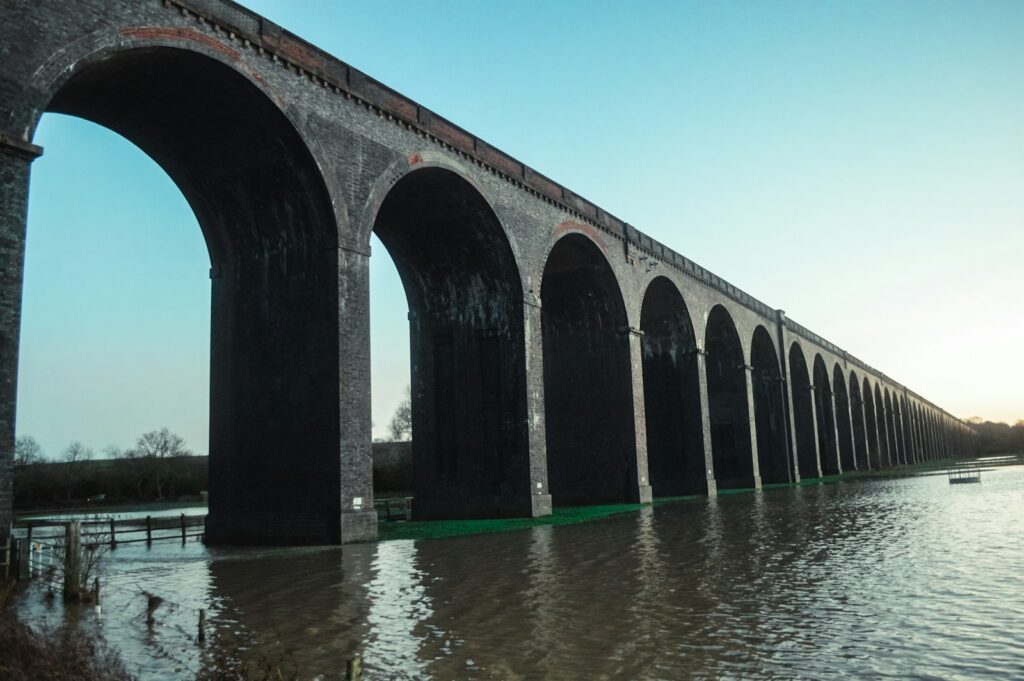
Image: kuu akura / Unsplash
More on Messaging:
Environmental policy needs effective messaging: Here’s what that means
Opinion: Climate change messaging – is the government getting it right?