


















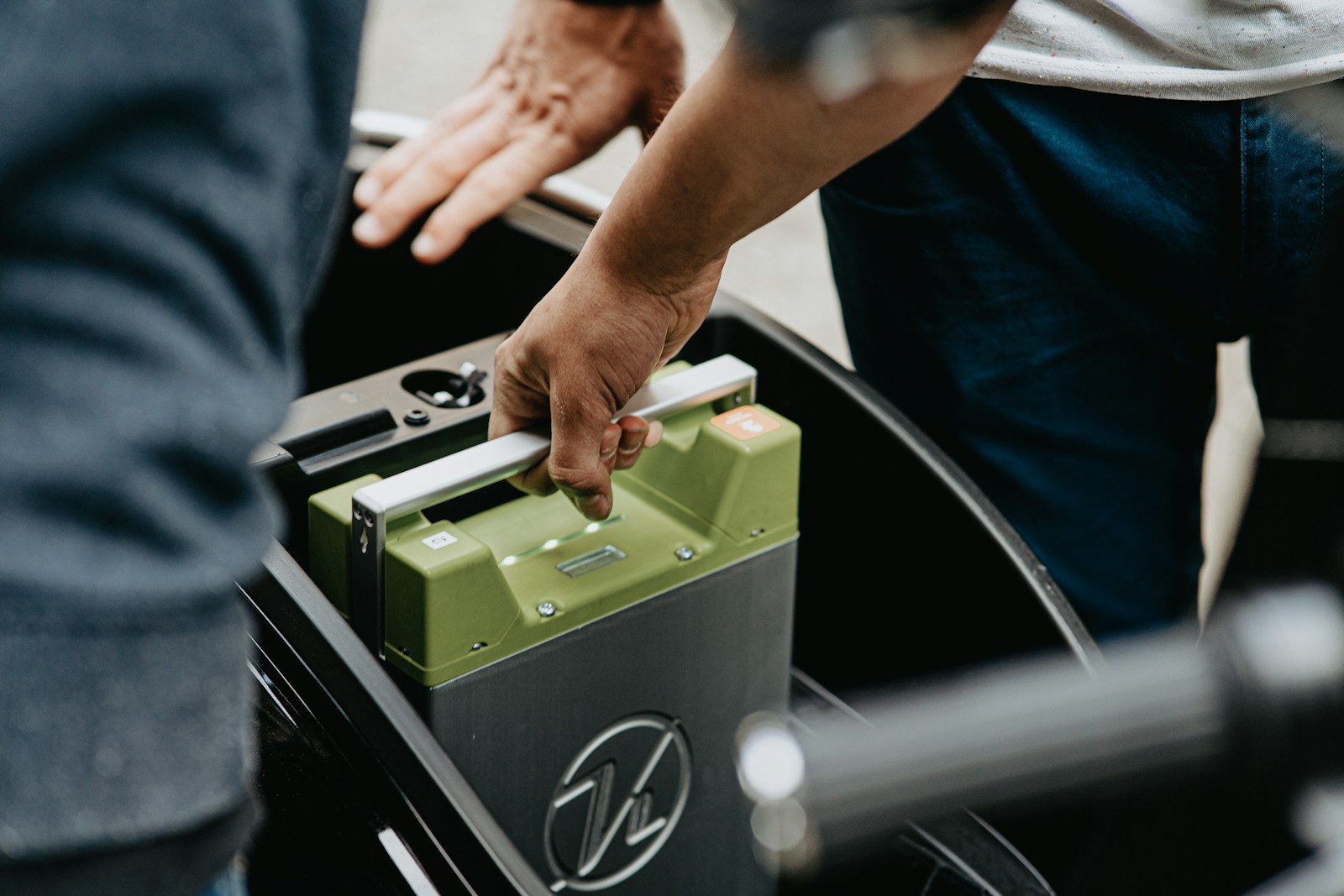
A new report has highlighted an urgent need to bolster domestic battery production.
Britain’s Battery Solution was published by the UK Gigafactory Commission, a cross-party group which analyses the strength of the country’s existing production routes and makes recommendations for improvements.
According to this analysis, car manufacturers – which account for 800,000 jobs and £22 billion of GVA – are being let down by supply chain gaps. Companies are ‘dependent on imports, exposed to higher costs and at risk of lost competitiveness’. Over the past decade, the sector has shrunk by around one-third, emphasising the need to safeguard the remaining operations.
Problems are compounded by the EU’s new ‘rules of origin’ (RoO) policy and tighter requirements on recycled contents. Both are predicted to trigger big tariffs for UK exporters unless improvements are made to the battery supply chain. A tripartite approach has been recommended, which would involve close collaboration with an original equipment manufacturer, cell company and material producer.
‘Batteries are no longer just a tech issue or an energy issue – they are a national strategic imperative,’ said Lord Hutton of Furness, Chair of the UK Gigafactory Commission. ‘The UK cannot afford to remain dependent on foreign supply chains for such a vital component of our economic and energy future.’
Earlier this month, an assessment of the EV market showed sales of pure electric vehicles surpassed 470,000 in 2025. Low emission cars now account for around half the total market for new models. This means it is highly likely all manufacturers will meet their quota for the year, as specified in the Zero Emissions Vehicle Mandate (ZEV).
Image: Kumpan Electric / Unsplash
More on Energy & Net Zero: