














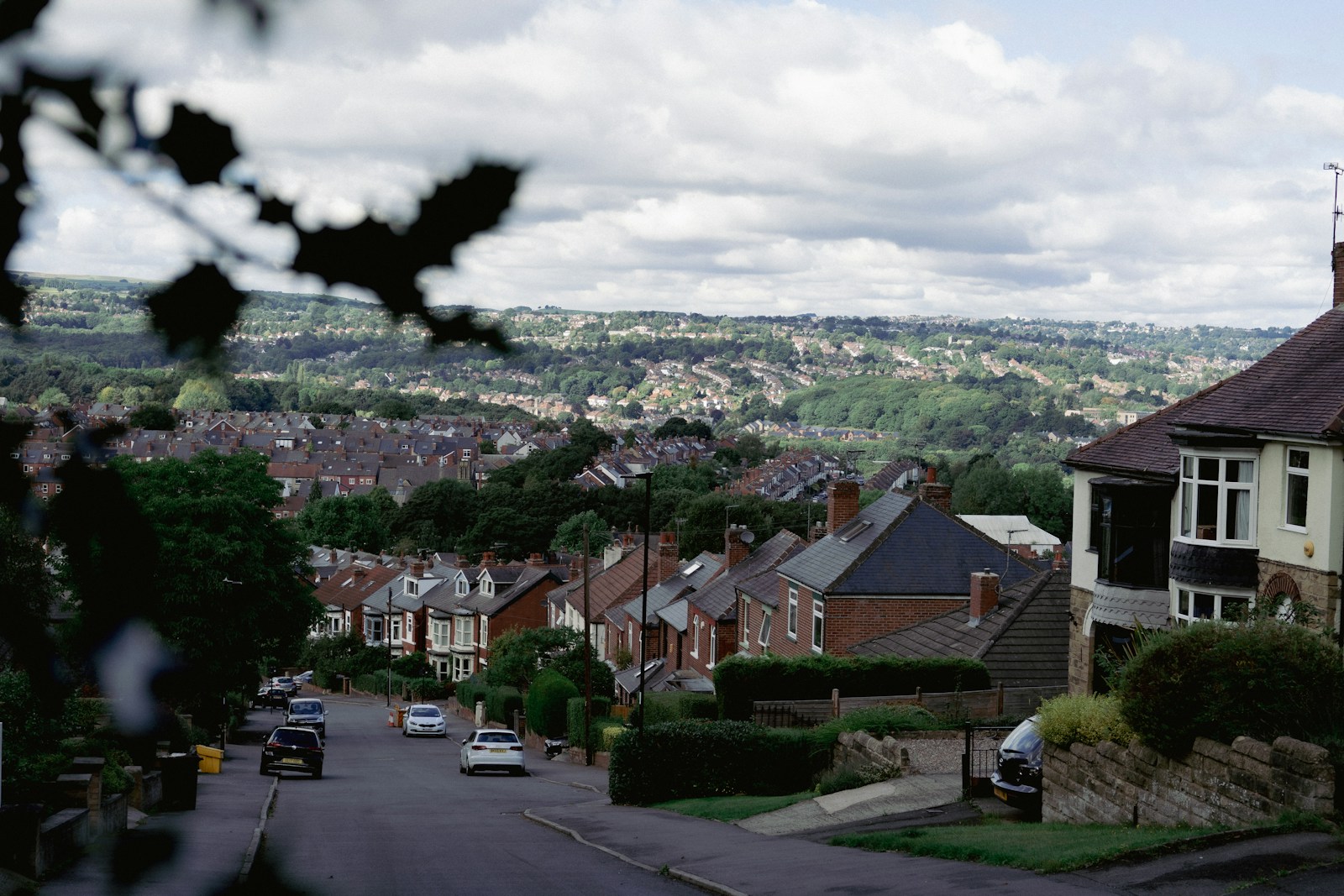
Ofgem is set to lower the price cap on domestic electricity and gas in April, saving households £117 per year, while some authorities are doubling down on initiatives to reduce usage.
News of a further reduction in retail energy prices was announced yesterday, Wednesday 25th February. At the same time, hundreds of households across Nottinghamshire were told they could qualify for Warm Homes: Local Grant (WHLG) scheme support, improving energy performance and efficiency.
In total, £18 million will be spent across the county, with Nottingham City Council set to receive the largest bursary of around £7.4 million. Money will be used to help 420 households, adding to the 1,200 properties already benefiting from similar work carried out since 2021.
Eligibility for the funding depends on current household energy performance rating and combined finances. Houses which have an EPC between D and G – the worst in terms of efficiency – can apply, providing the overall annual income for everyone living there is less than £36,000, residents are in receipt of certain benefits, or be located in a government-approved postcode area.
‘[This is] a vital step in helping people who are experiencing fuel poverty, as well as preventing others from falling into it,’ said Jay Hayes, Nottingham City Council’s Interim Executive Member for Climate and Energy. ‘This funding does more than improve the energy efficiency of homes – it helps lower energy bills, keeps homes warmer and more comfortable, and supports better health and wellbeing.’
Earlier this month, Environment Journal ran an expert opinion feature on the need for Britain to increase the amount of carports with solar installations in a bid to boost overall electricity production and efficiency, in turn lowering prices for customers. Revisit this here.
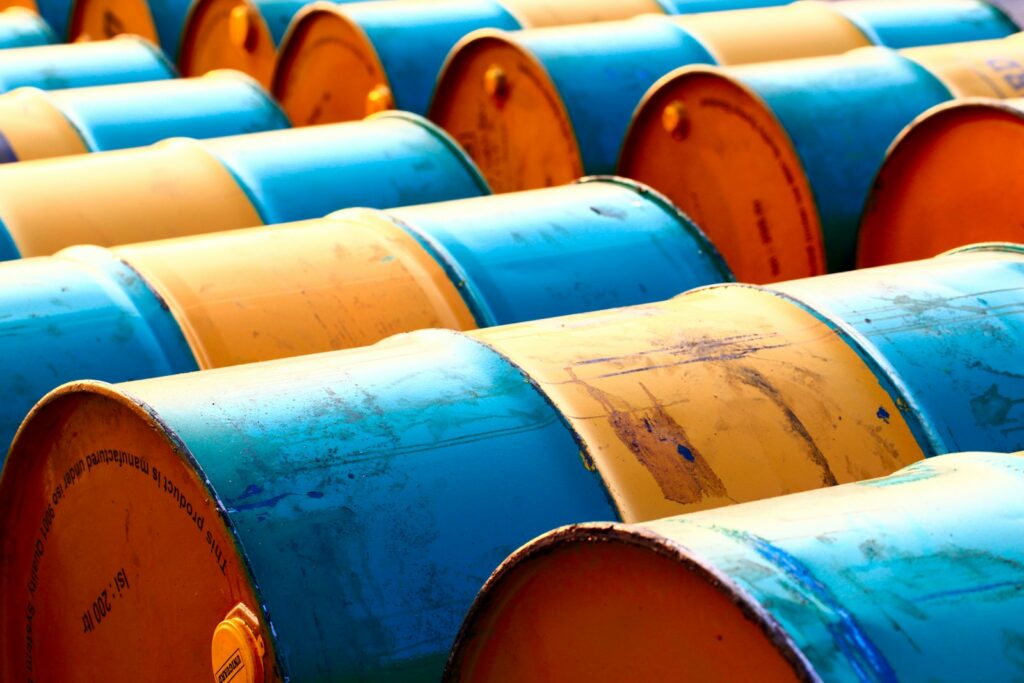
Image: BEN ELLIOTT / Unsplash
More Energy & Net Zero:
Hartlepool, Heysham, Suffolk, Torness produced 12% of UK energy in 2025
UK-California energy deal builds on decades of clean power cooperation