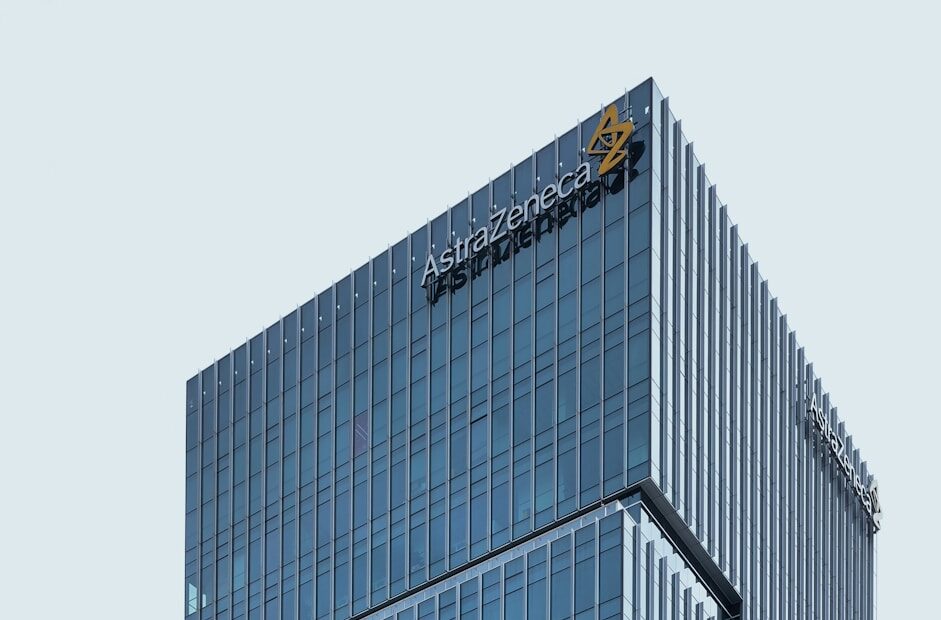
AstraZeneca, Fatface, and EcoVadis have announced far-reaching projects to help slash their indirect and direct emissions by supporting widespread decarbonisation.
Facilitated by the international environmental, social and governance ratings agency EcoVadis, EcoVadis Community provides a ‘trusted space for suppliers to collaborate, exchange insights and tackle complex sustainability challenges’. 400 firms across multiple sectors are involved, including businesses within construction, manufacturing, freight, computer programming, and data processing, with 60 headquartered in the UK.
Based on the current trajectory, the leadership hopes that close to 15,000 companies could have joined by the end of this year, with further potential to scale this to tens of thousands in the mid-term future. Uptake represents a real world example of research by HSBC showing 90% of British businesses plan on accelerating low carbon transition in the next three years. Meanwhile, 98% now see climate transition as a commercial opportunity. EcoVadis’ own analysis suggests Scope 3 emissions — those from supply chains — are on average 21 times higher than Scope 1 or 2, emphasising how important this area now is.
‘What research and our experience shows is that peer-to-peer engagement is a primary driver of change and learning,’ said Pierre-François Thaler, co-founder and co-CEO of EcoVadis. ‘Many suppliers understand they need to improve their ESG performance but don’t always know how, and some can feel isolated in that journey.
‘By bringing suppliers together in a collaborative ecosystem, we are allowing them to draw from a collective intelligence to help reduce their impact, close the execution gap and simultaneously boost their appeal to increasingly ESG-focused clients and investors – all while helping sustainability improvements snowball up the supply chain,’ he continued.
In related news, pharmaceutical giant AstraZeneca has announced its new Clean Heat Programme, which aims to help suppliers cut emissions as part of a bid to see the multinational slash absolute greenhouse gas output by 90% by 2045. According to the CDP, firms of this size have an average of 26 times more supply chain (Scope 3) emissions compared with their direct operational footprint.
‘It’s clear that a programme like this is the fastest and most effective way to decarbonize heat in our supply chain,’ said AstraZenca’s senior director of sustainable procurement Rob Williams. ‘We are long-term partners with Secaro and ERM, and now we’re expanding relationships with peers, buyers from other industries, and suppliers to plan, fund, and launch the projects that will make heat decarbonisation a reality.’
B Corp certified fashion brand Fatface is also joining the ranks of responsible supply chain leadership. Going well beyond emissions reduction focus, the firm is changing technologies and processes, developing carbon and greenhouse gas measurement methodology, and working towards schemes to support is suppliers in decarbonisation.
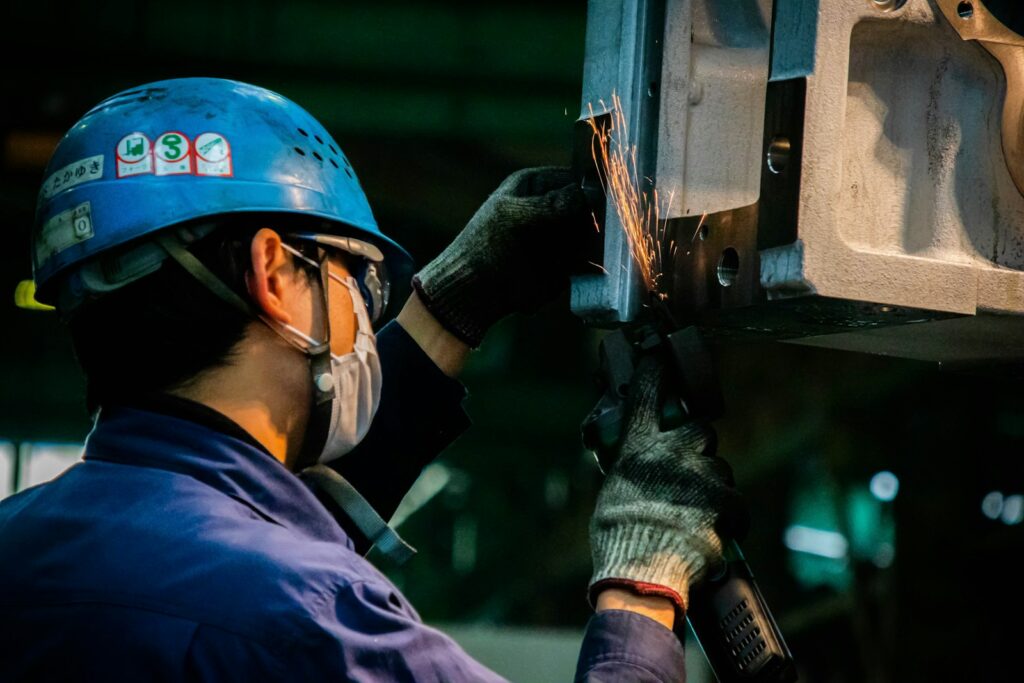
Image: Declan Sun / Unsplash