















As conflict in the Middle East rapidly spreads, disrupting major global supply chains, Britain is bracing itself for escalating oil and gas prices in the coming weeks.
We’re only a few days into military strikes on Tehran and other parts of Iran by the US and Israel, and the cost of gas in the UK has already surged by just over 46%. Now at its highest price for three years, Brent Crude Oil has also jumped by 5%,
The inflationary effect of the conflict is partly the result of Iran’s threat to ‘burn anything’ that attempts to pass through the Strait of Hormuz, the only sea passage to the Persian Gulf. Between 2023 and 2025, 20% of the world’s liquified natural gas (LNG) and 25% of seaborne oil trade used this shipping route.
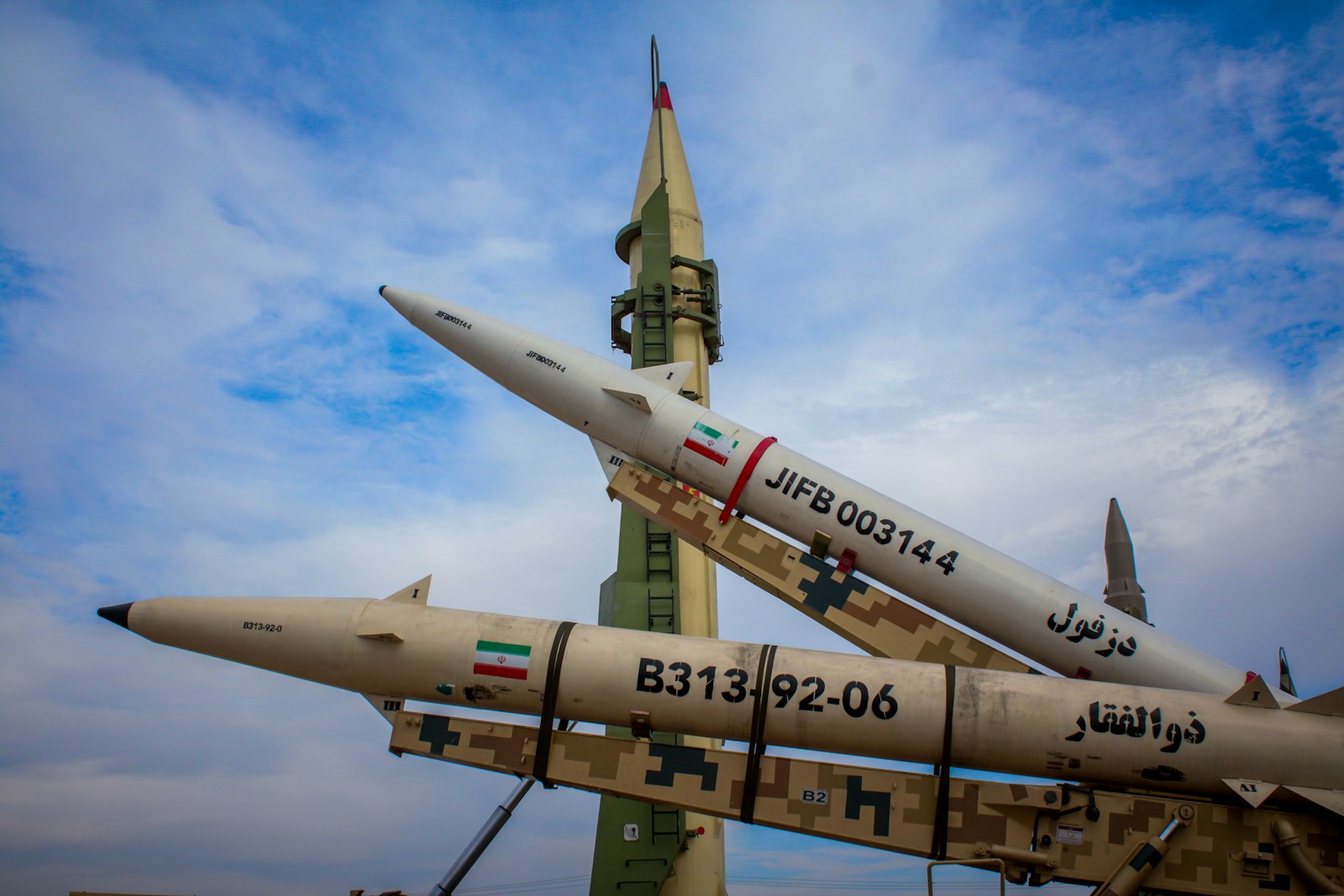
Meanwhile, the largest LNG plant globally is in Qatar, and has currently paused production due to the threat posed by retaliatory strikes coming from an Iranian regime now launching missiles at various neighbouring states. The list includes UAE, Bahrain, Saudi Arabia, Kuwait, Iraq, Cyprus, Jordan and Oman.
It’s too early to gauge how long fighting will go on for, and cost increases back home are yet to play out in terms of energy bills or prices at the fuel pumps. But serious economic repercussions grow more likely by the day, hence chaos now playing out within energy markets. The region’s main aviation hubs – Doha, Abu Dhabi, and Dubai – are also continuing to ground almost all flights at the time of writing, and their close financial, investment and tourism ties to the UK means this is bound to have a big impact, too.
Analyst firm Wood Mackenzie has already warned that oil could potentially pass the $100 per barrel mark in the coming days if shipping on the Hormuz route does not resume imminently. Others have pointed to the potential for this to equal or even exceed the price rises that followed Russia’s full-scale invasion of Ukraine.
Although in the years since, significant steps have been made by many European countries to diversify which fossil fuel producing nations they rely on, the Independent Commodity Intelligence Services (ICIS) has now published modelling for a three month blockade on the Strait. Under this scenario, due to the loss of Qatari LNG deliveries, Europe could see gas rocket to €90 per MWh – almost three times its current value.
The rapidly escalating crisis has led some to turn the volume up on calls for Britain to lift the ban on new North Sea drilling contracts, which advocates say would not only lower national carbon footprints compared with imported LNG, but also make the country far less vulnerable to global supply issues.
‘The premature curtailment of domestic production is not primarily the result of geology but of policy decisions made by both Labour and Conservative governments,’ read a statement published by eight former energy ministers, including ex-Conservative Energy and Climate Change Secretary Amber Rudd and Labour’s John Hutton, which appeared in Monday’s Financial Times.
‘Energy security is national security. Without urgent reform we will become increasingly reliant on imported liquefied natural gas,’ it continued.
However, others argue the war represents a decisive opportunity to double down on climate commitments and present a clear economic case for continuing to reduce our use of fossil fuels from all sources. Last weekend, more than 60 MPs demanded Labour reject the huge Rosebank North Sea oilfield project proposal, including former Labour Shadow Chancellor John McDonnell, Jeremy Corbyn, Diane Abbott, Chris Law, and Liz Saville Roberts.
‘Now we must stand our ground against Trump, Reform and their fossil fuel paymasters,’ said Labour MP Clive Lewis in an interview with Business Green. ‘Approving an enormous new oil field would mean caving into their anti-climate, anti-renewables agenda that runs completely counter to our values and our long-term interests.
Questions as to how beholden Britain is to global energy supply chains, and possible solutions to this, are particularly pertinent given January’s national security report which pointed to the rising risk of geopolitical instability and armed conflict due to ecosystem collapse.
The warning emphasised the urgent need to switch to greener business models – including reducing fossil fuel and greenhouse gas output – and begin reversing habitat destruction and species extinction. Which not only makes sense for the good of nature, but economically, too. Ecological collapse is beginning to make access to vital resources, like energy and food, more difficult.
‘The conflict in the Middle East has sent oil and gas prices surging again, underlining the urgent need to end our reliance on climate-polluting fossil fuels,’ said Mike Childs, Head of Policy at Friends of the Earth.
‘For far too long, people and our economy have been battered by soaring energy prices – which are set by volatile global markets, no matter where the fuel is drilled,’ he continued. ‘The government must speed-up the development of our vast homegrown renewable energy resources and invest far more in insulating Britain’s draughty, heat-leaking homes.’
On Tuesday, Labour’s Chancellor Rachel Reeves delivered her spring statement against a backdrop of rising international uncertainty. Giving numbers on future unemployment decline, economic growth, and incremental improvements to living standards, experts immediately warned the numbers could already be out of date due to the as-yet-unknown fallout from the war in Iran. So surely ensuring the impact of this, and the likely future wars, is as minimal as possible is the only logical course of action.
Image: Moslem Daneshzadeh / Unsplash
More Energy & Net Zero:
Nottinghamshire councils share £18m energy efficiency funding as bills fall
Hartlepool, Heysham, Suffolk, Torness produced 12% of UK energy in 2025
UK-California energy deal builds on decades of clean power cooperation