












Finnish scientists have made global headlines with an innovative approach to electricity transmission – which uses thin air to distribute power.
Wireless charging is nothing new, with smartphones and a number of other devices spreading harnessing electromagnetic fields to transmit energy. But this currently only works in very close proximity.
However, according to the University of Helsinki, it could be possible to use magnetic loop antennas to improve the range of wireless power transfer. Distances would still be limited, but technically the scope to improve on current performance limitations is there with changes to transmitter and speaker designs, and optimisation of the signal.
More recently, Finland’s finest minds have also presented research showing small electronic devices can be powered through the air. So far, proof of concept has been small scale, but experts believe this shows such technology is no longer the sole preserve of laboratory conditions with public demonstrations suggesting real-world scenarios may soon be on the cards.
Crucially, in the future we could see electromagnetic charging rolled out in more settings, reducing reliance on wires and plugs. From an environmental perspective, this could offer significant benefits in terms of how many rare Earth minerals and precious metals are needed to drive an increasingly electrified age. Nevertheless, it is crucial to note that this approach is unlikely to replace traditional grids for regular energy distribution.
In other energy-related news, last month an independent analysis of UK energy prices showed a potential 50% reduction in costs by 2050. However, this does not take into account potential supply chain issues, including obstacles to the availability of materials required to expand and improve infrastructure. Earlier in January, the British Government published a controversial report on risks to economic, political and social stability posed by global biodiversity loss. If nature continues to decline, there is a high chance of geopolitical tensions to rise, leading to problems accessing specific markets dominated by other countries.
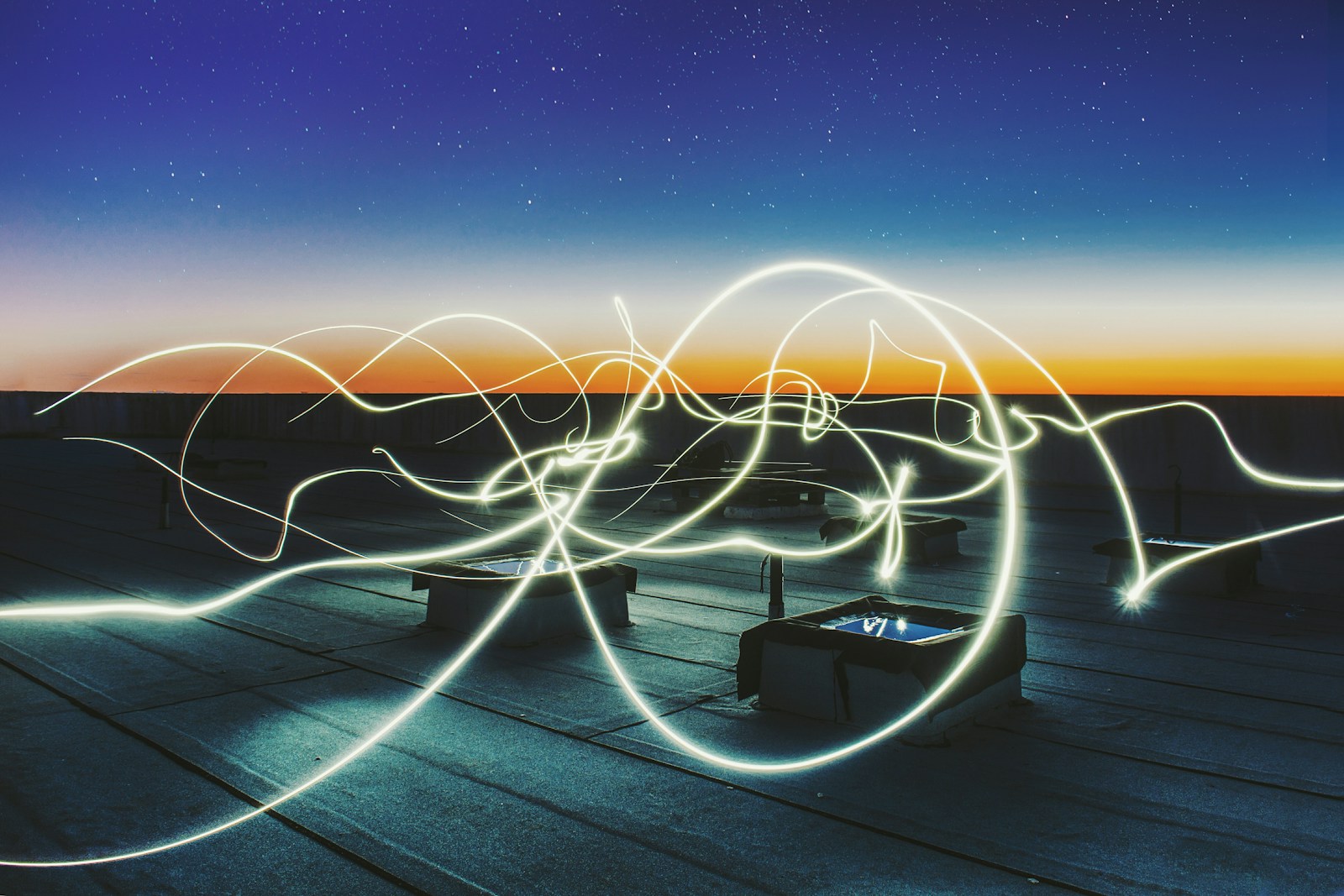
Image: Federico Beccari / Unsplash
More on Energy & Net Zero: