
















Living costs, overcrowding and the urban heat island effect could all be contributing factors.
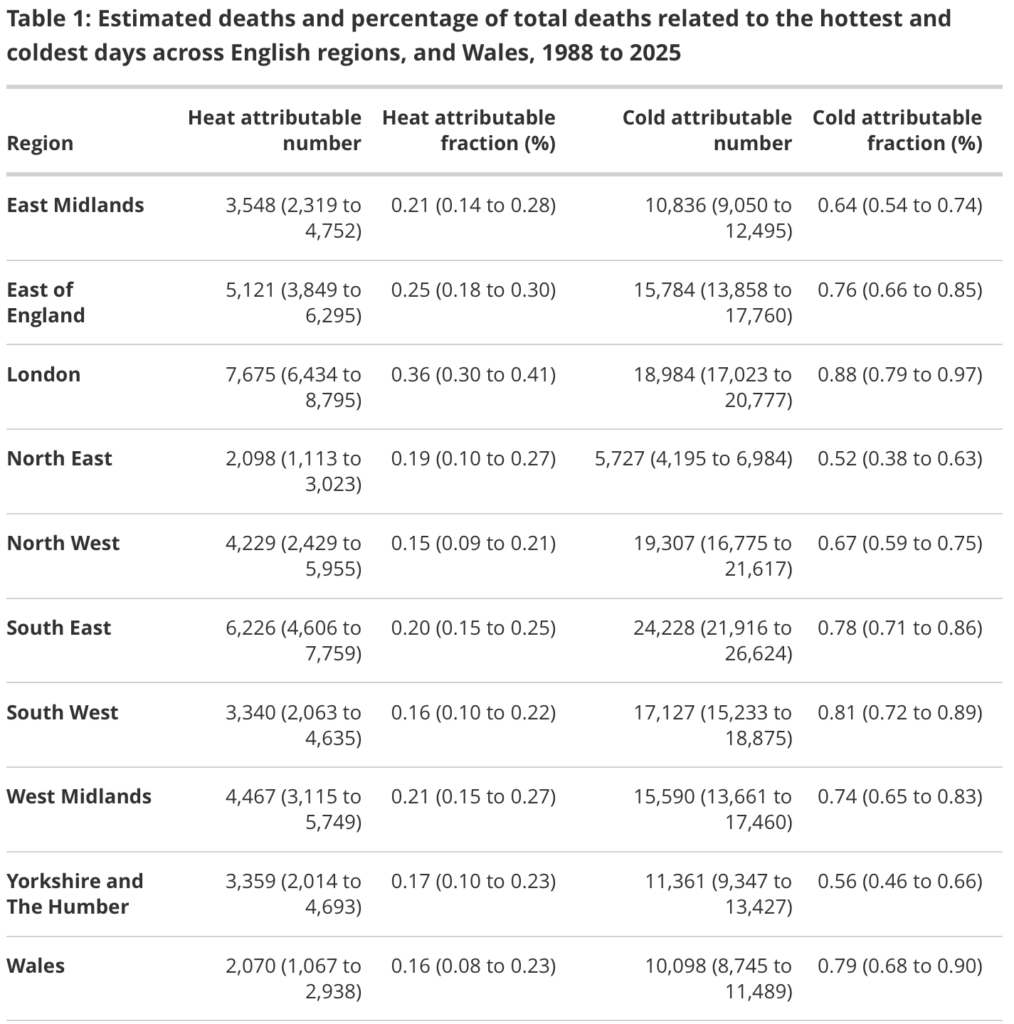
Topline takeaways include 42,133 fatalities in England and Wales from the hottest 2.5% days of the year during over the 37 year period analysed. This compares with 149,042 deaths from the coldest 2.5% days during the same time frame.
However, the difference between cold and heat-related deaths is narrowing, and in recent years the rise in heat-related mortality has almost closed the gap. In May and June 2026 alone, for example, there were an estimated 2,877 heat deaths in England and Wales, which is equal to around 6% of the total hot day fatalities in almost four decades that preceded this summer.
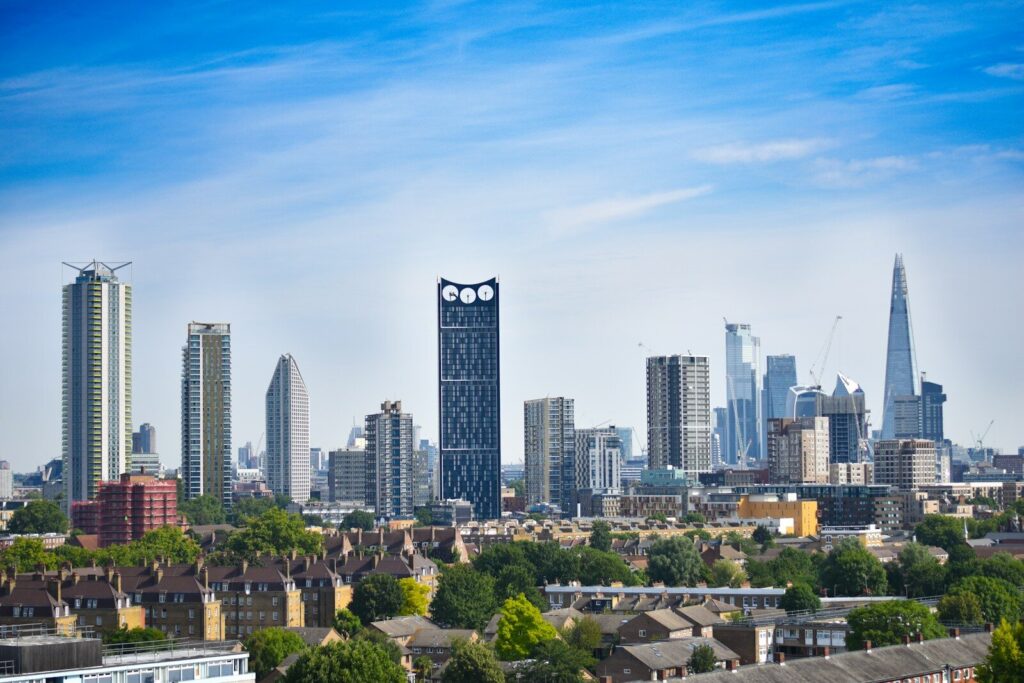
Regional disparities are also evident. The South East had the highest number of climate deaths, driven by the fact that London had the highest hot day deaths and the highest hot and cold day deaths. The Office for National Statistics (ONS) suggests this may be attributed to the urban heat island effect, which is much stronger in larger cities. Higher living costs and household overcrowding are also more of an issue in the capital, but but none of these factors have been taken into account within the figures themselves.
‘[These numbers] act as a stark reminder that climate change is having a direct impact on people’s lives and health, reinforcing the urgent action required to reduce emissions as part of the global journey to net-zero,’ said David Gudgeon, Head of External Affairs at circular economy specialist, Reconomy. One of the biggest contributors to carbon emissions is the over reliance on extracting new virgin materials to satisfy consumption demands, with a lack of focus on reducing, redesigning, repairing, reusing and recycling to conserve our finite resources. The extraction and processing of virgin materials alone accounts for around half of global greenhouse gas emissions.
‘As demand grows for critical materials to support technologies such as AI and the energy transition, pressure on global resources will only intensify. Global raw material extraction is projected to increase by another 60% by 2060, according to the UN International Resource Panel,’ he added. ‘Greater focus must be placed on accelerating circular solutions which have a clear role to play in reducing reliance on virgin resources by keeping existing materials in use for longer. This will help cut carbon emissions, while strengthening supply chains and supporting a more resilient economy in the face of climate change.’
‘This data is a stark reminder that cold weather remains a killer in the UK despite our warming climate. That’s because far too many homes are poorly insulated, meaning they’re expensive to heat – and prohibitively so for far too many. Many of these deaths can be avoided with action to upgrade the nation’s homes. That’s why the government must accelerate and increase spending on its Warm Homes programme, targeted in the areas that need it most,’ said Mike Childs, Head of Science, Policy and Research at Friends of the Earth.
‘Homes without decent insulation are also more susceptible to over-heating when the mercury climbs. As the ONS has warned, we’re going to see the number of heat-related deaths increasing as the planet warms. We’re on course for the highest number ever following this year’s searing heatwaves,’ he added. ‘We’ve known for decades the fossil fuel industry is driving global heating. Far from giving the green light to more oil and gas extraction in the North Sea, the government should be making the companies getting rich amid mounting death and destruction pay for the measures we need to protect people from worsening climate extremes. Anything less would see the PM turning his back on the very people he’s sworn to stand up for.’
Image: Ian Taylor
Chart: ONS
More on public health: