















On the current trajectory the cost of our diets will rocket due to environmental volatility, with 10 essential commodities most in danger from future disruption.
According to the IGD and EY climate risk assessment, Britain’s food system is extremely vulnerable to rising prices as a direct result of the current supply chain and the planet’s changing atmosphere and ecology, driven by inflation.
The assessment was shared just ahead of updated advice from the Climate Change Committee, with the UK Government told yesterday that the country needs to prepare for 2C of global warming by 2050.
This far exceeds the 1.5C limit most of the world has been working towards, as per the Paris agreement. This revision has been shared the same week as the University of Exeter warned the world may now have passed the first irreversible planetary climate tipping point.
Modelling through to 2050 used three scenarios – Net Zero, delayed progress to Net Zero and Business as Usual – in a bid to better inform business and political decision-makers, encourage collaboration and policy. The research produced five key findings:
*£2.6bn financial impact from Business as Usual. Maintaining Business as Usual
UK exposed to significant inflation, with additional costs of £2.6bn, equivalent to over 5.9% of annual food commodity costs. This further informs the business case for progressing to Net Zero, at pace.
*Imported horticulture is greatest risk
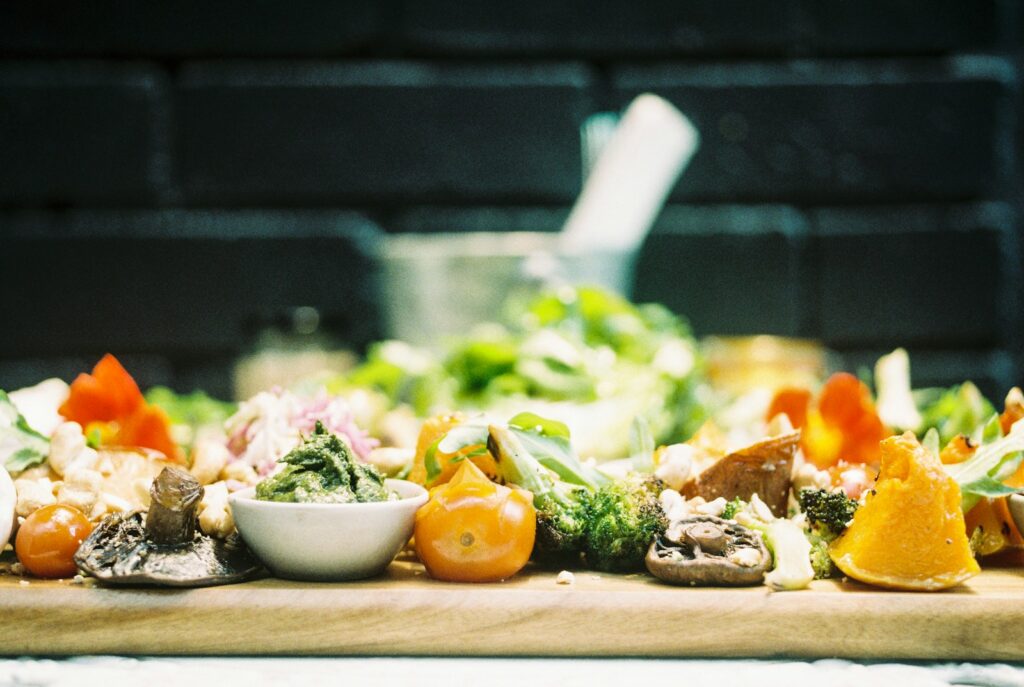
The UK is heavily dependent on imports of fruit and vegetables and these commodities are most vulnerable to climate change. Citrus, banana, and tomato face the greatest risk.
*Dietary shift with current sourcing could bring risk
Transitioning to healthy and sustainable diets can offset some risks, but increased fruit and vegetable consumption from current supply sources adds risk to an already vulnerable category.
Supply from new provenances needed.
*Spain, key sourcing region, is largest import-related cost risk
Future sourcing and investment strategies must be developed to mitigate risk and over-reliance on exposed regions. This validates the growth opportunity for UK horticulture.
* Domestic capacity must be maintained
Progress to net zero would make UK production more competitive as it benefits from improved growing conditions for wheat. UK productive capacity must be maintained to realise these benefits.
‘The decisions made today across businesses, government, and consumers, will shape the UK food system’s resilience and success for the future,’ said Sarah Bradbury, Chief Executive at IGD. ‘Building resilience is not only vital for the environment but also a commercial necessity. With growing volatility and scarce resources, ensuring a reliable food supply will provide a key competitive edge.
‘By collaborating, adapting, and managing risks, the UK can secure a sustainable and robust food future for all,’ she continued. ‘Our climate risk assessment with EY offers clear guidance for businesses to stress-test strategies, concentrate efforts where they matter most, and work with us to achieve a resilient food system.’
Image: John Cameron / Unsplash
More Biodiversity, Climate Change, Nature & Sustainability:
Pension schemes should consider societal and environmental impact