













A new study shows one-third of all businesses in 10 nationally protected areas are based in the region.
The South Downs National Park is the most economically productive of all English National Parks, according to a new economic profile, with a GVA of £3.84 billion per year.
Combined, all National Parks contribute £10 billion to the country’s economy, meaning the South Downs accounts for more than one-third of this. It has also seen significantly higher growth than the UK average, with a 10% increase in productivity since the Covid-19 pandemic.
This reflects a wider trend across the so-called ‘green economy’, which has expanded by 10% in the past 12 months, compared with 0.4% for the wider economy. Siôn McGeever, Chief Executive of the South Downs National Park Authority, believes this is evidence that biodiversity and sustainability should be government priorities.
‘This is a really significant study for us and shows that National Parks are bigger players in the UK economy than many realise – and we’re growing fast,’ they said. ‘It’s actually the manufacturing and knowledge-based technical sectors that are growing most quickly, challenging assumptions that Britain’s beautiful landscapes are purely about tourism and farming.
‘This is partly fuelled by the fact that National Parks are places where people want to work and that enhance workers’ wellbeing,’ McGeever continued. ‘However, farmers continue to be the lifeblood of the South Downs National Park and many other rural economies. They’re struggling, so we’d like to see greater support to help them thrive, including expanding opportunities for innovation, diversification and nature-friendly farming.’

Among other things, the South Downs National Park study has revealed that 41% of all National Park area employment across England is found in the region, which is home to around 6,000 businesses. In total, the workforce exceeds 61,000. 19.2million people visited in 2024, 90% of who were there for a single day but brought in £400million for the locality.
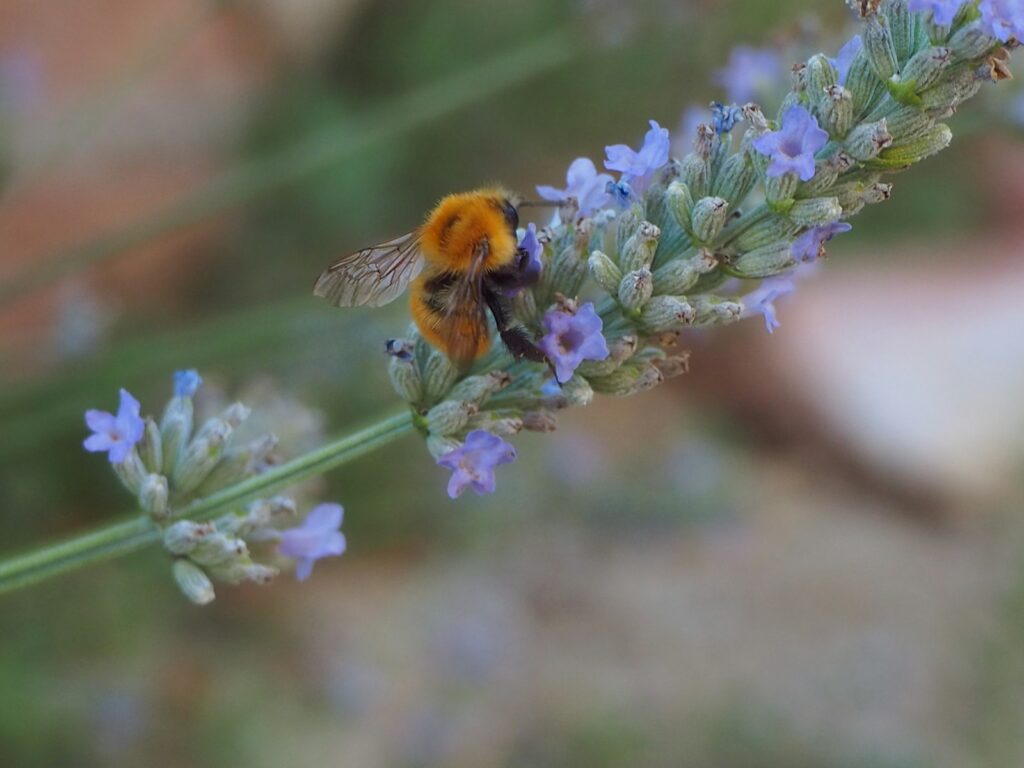
‘Nature-based solutions are a rapidly growing area in the National Park, where corporations and developers can invest in creating new woodlands, grasslands and wetlands that also help fight climate change, and ultimately it’s farmers and land managers who will deliver these,’ McGeever continued. ‘Without them we cannot deliver our nature targets and we cannot grow the food we need. So it’s really important that government policy continues to support these emerging markets.
‘As a stark report by the Green Finance Institute identified, the UK faces economic shrinkage – by some 4.7 per cent within this decade – if we don’t integrate nature into our growth strategy,’ he continued. Here in the South Downs and across all protected landscapes, with our incredible green and blue infrastructure and brilliant partners, we have a huge opportunity to grow a nature-positive economy over the next few years.’
Image: South Downs National Park Authority
More Biodiversity, Climate Change, Nature & Sustainability:
Satellite analysis reveals worrying European groundwater weight loss
York country park uses local tech for landmark biodiversity drive