
















Regulations intended to protect ocean life are having the opposite effect.
New research involving 25 researchers and practitioners from 18 countries, including experts at the Institute of Marine Sciences at the University of Portsmouth, has cast in sharp relief the urgent need to update laws around marine ecosystems.
The paper, published in Cell Reports Sustainability, proposes six key change to existing legislation, which would expedite efforts to save, restore and recover delicate habitats such as mangroves, salt marshes, and seagrass meadows, which have declined by up to 50% globally in the past century. The authors stress this is not a call for deregulation, but a need to update rules to reflect the current reality.
Recommendations include embracing innovative techniques such as assisted migration and genetic tools, creating “innovation sandpits’ to trial new methods, and setting up designated restoration zones with streamlined approvals. Transparent reporting of both successes and failures should be mandatory, and permits aligned with long-term ecological timescales. Licensing fees should also be replaced by incentives.
Additionally, four key takeaways have been shared:
- Marine restoration is young: Unlike land-based restoration, the science is still developing, and failures are common, but these failures are essential for learning.
- Regulations hinder progress: Permits are often slow, costly, or impossible to obtain, even for projects that would clearly benefit ecosystems.
- Climate change demands new thinking: Restoration must create resilient ecosystems for the future, not simply recreate the past.
- Equity matters: Indigenous and local communities must be included to ensure projects are fair and effective.
‘We cannot afford to let red tape strangle solutions,’ said Professor Jo Preston of the University of Portsmouth. ‘Licensing should support innovation, resilience and long-term recovery, not force us to recreate an impossible past. If we are serious about restoring ocean health, we need a system that keeps pace with science and with the speed of climate change.’
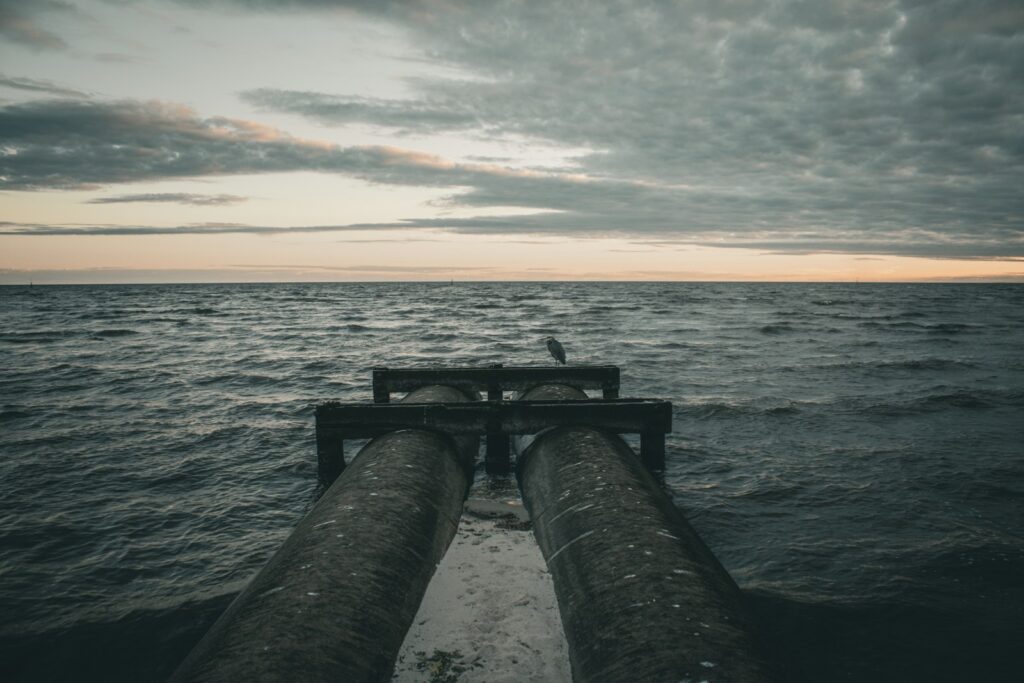
Image: Mohd Lazim Ath Thany Bin Mohd Lazim / Unsplash
More Biodiversity, Climate Change, Nature and Sustainability:
The open access one-stop climate solutions platform councils need
Doctors fear climate heath risks, say NHS is ‘simply not prepared’