












‘Bridge this great divide and make repairs’. In the wake of a musical legend leaving us, we consider how many lessons environmentalists can take from The Queen of Nashville.
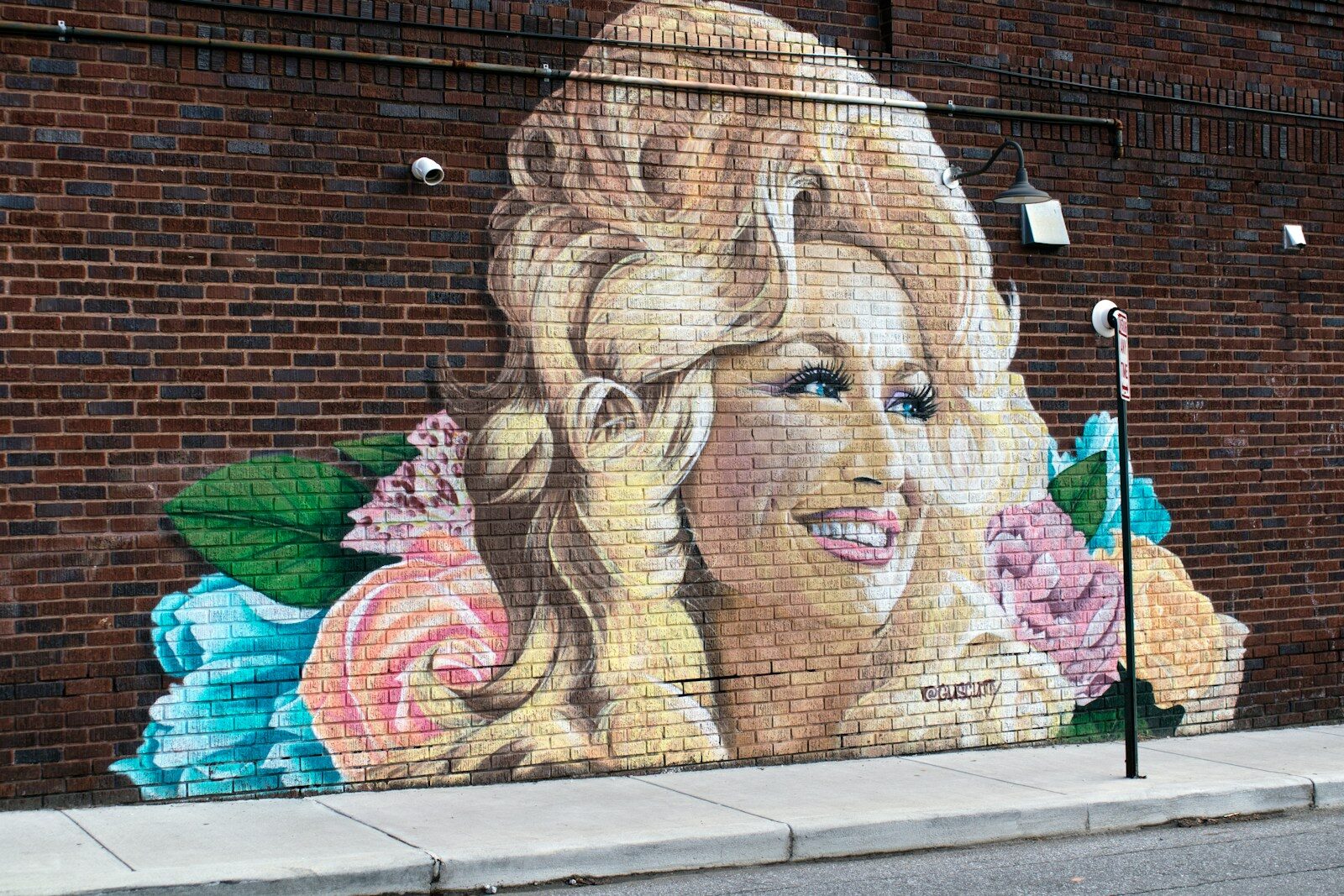
Dolly Parton was one of a kind. Her glorious music, generous spirit, and serious philanthropy speak for themselves. Miraculously, this combination touched us across political, religious, socio-economic, and cultural tastes. Those of us working to up the ante on climate change action can learn from her special gifts. As Dolly did in everything she touched, we must insert our souls into the story.
‘We need to take better care of the things that God gave us freely. And that we’re so freely messing up.’
Climate change moved from an “us” issue to a “them” issue for three big reasons. First, the fossil fuel industry spent billions of dollars on disinformation campaigns. Second, we separate the comfort and convenience of our modern lifestyle with its consequences – the now-constant experience of biblical floods, fires, heatwaves and droughts and their costs.
But also, my friends and colleagues (and sometimes myself) speak about climate change like strict teachers with moral rectitude. No question, climate change is an existential issue providing us with fundamental spiritual, financial and political choices. But moral purity is not gonna reach anyone who doesn’t already agree with us.
In most negotiations, you can either win or be right. You can almost never do both. Sometimes deciphering right from wrong is absolute, but not as often as we imagine. Dolly would teach us to win together. And she states the environmental case plainly.
‘We’re just mistreating Mother Nature — that’s like being ugly to your mama.’
I’ve had the thrill of working “across the aisle” as a radical collaborator on two major climate issues. Over time in both cases, the activists and the businesses found their way to consensus. And in both cases, the solutions are world-changing.
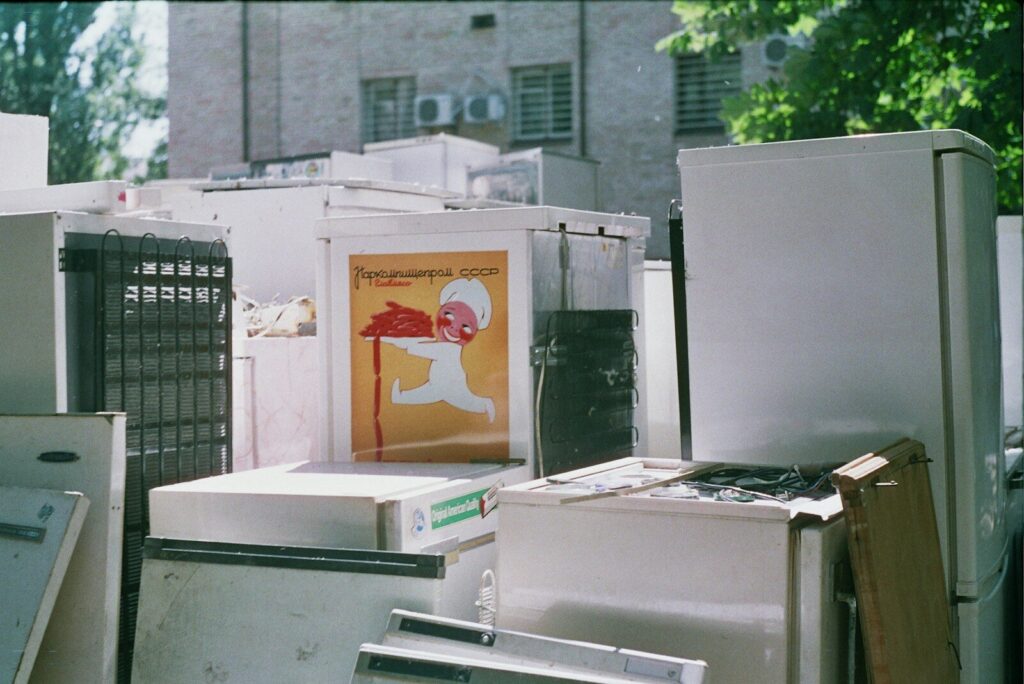
I was the Solutions Director for Greenpeace from 2005-2012. My primary focus was the campaign to eliminate HFCs, the super greenhouse gas in refrigeration. After 20 years of Greenpeace protesting HFCs, Coca-Cola, Pepsi and Unilever with Greenpeace and the United Nations Environment Programme, formed Refrigerants, Naturally! to substitute HFCs with natural refrigerants. In 2006, the group began to meet quarterly. Wherever we met, most of us stayed for dinner. Trust, understanding, even friendships developed.
In 2010, our three corporate allies brought us to the Consumer Goods Forum’s (CGF) First Sustainability Summit, the newly-formed industry association of over 400 consumer brands and retailers. Our corporate friends astonished us and suggested we ask for “the same thing we’ve committed to…eliminate HFCs”. This solution was barely on these 400 companies’ radar. We recognised the extraordinary nature of the opportunity, (I wrote 19 versions of my keynote), and within a month, the CGF Board voted to eliminate HFCs. They presented their commitment to the world at the U.N. Climate Talks (COP) at Cancun.
A week later, the U.S. State Department called for a meeting on HFCs, and under Hillary Clinton’s and John Kerry’s stewardship, led the global charge to include HFCs within the Montreal Protocol. The HFC phase-down was ratified in 2016, now signed by 170 countries and could save 0.5°C of global warming by 2100.
I’m certain that the intimate dinners of our group of radical collaborators set the course for this extraordinary progress. The courage of Coca-Cola’s Jeff Seabright, SVP, and Muhtar Kent, CEO, alongside Unilever’s Gavin Neath, SVP, and Paul Polman, CEO, was an essential ingredient and is missing from most of today’s corporate leadership. As Dolly demonstrated in every facet of her life, courage means holding true to your values and also includes opening your arms to unlikely allies.
There is another sector where courage is moving the market: reuse. In 2019, I co-founded PR3: The Global Alliance to Advance Reuse to create standards for the nascent reusable packaging industry. Today, 5.3% of global greenhouse emissions come from plastic. 40% of plastic is used for packaging, and single-use packaging is the fastest growing piece of plastic demand.
Reuse can eliminate 90% of the production of comparable single-use packaging, from cups to take-out containers and ketchup bottles. This industry is maturing with sports and entertainment venues in the lead, represented at the 2026 SuperBowl, Billie Eilish’s global tour, festivals and stadiums across Europe, and major racecar events in Indonesia. As waste, plastic and packaging policies have begun appearing around the world, the consumer goods industry is finally looking at reuse seriously.
PR3’s 80-member global Standards Panel is composed of multinationals, environmental justice advocates, small reuse service providers, informal waste workers, scientists, regional and national governments, and consumer and health advocates. This group of unlikely collaborators arrived at consensus on standards for reusable packaging that support both environmental and economic performance.
Our standards are now entering the marketplace, corporate and government infrastructure planning, and policy frameworks. Our Marking & Labelling standard revealed a new reuse symbol this past June, and by July, it was already on reusable packaging on every continent except Antarctica. There is a hunger for this cooperative framework to re-enter our everyday economic system. As Dolly showed us, you don’t have to agree on everything to build something together.
On top of her grace, Dolly was also fierce – she wouldn’t let Elvis record ‘I Will Always Love You’ because he demanded half of the publishing rights. (Good call!) Dolly knew what she stood for, and where she wouldn’t compromise.
The only way we will “bridge this great divide and make repairs” is by bringing the same fierceness to climate activism and our frayed social fabric. I have a suggested soundtrack: Dolly’s dream about God’s dismay at our current state of affairs.
Amy Larkin is an award-winning environmental activist and entrepreneur, co-founder and lead at PR3, a global initiative creating the tools to scale reusable packaging.
Image: Wes McFee / Unsplash
More on activism:
Earth Day 2026: democracy is both climate victim and solution