















With many organisations that police responsible and sustainable business practices losing almost half their funding, watchdogs are right to sound an urgent alarm.
It’s a disaster waiting to happen. According to new figures released be Swedwatch, the European Coalition for Corporate Justice, and the Business and Human Rights Centre, one-in-eight entities that oversee laws designed to protect communities, the environment and human rights from bad corporate actors is at risk of closing due to a lack of funding.
When companies behave irresponsibly within the global value chain, the impact on workers and nature alike can be significant. Poverty can rise and become endemic, public health can decline, and climate protections weaken. Hence increasingly stringent legal rules around how for-profit firms can operate. However, there are now concerns the organisations policing industries are on the verge of collapse, with an average 40% loss of financial support since 2024.
‘The results are alarming. At the very moment when governments are increasingly introducing mandatory due diligence laws – laws that require companies to identify, prevent, mitigate and remedy adverse human rights and environmental impacts throughout their value chains – the organisations needed to make those laws meaningful for impacted workers and communities are losing the resources they depend on,’ says Ben Claeson, Programme Officer at Swedwatch
‘NGOs are not a nice-to-have in the fight for corporate accountability, they are essential to it. Whether by documenting corporate abuse, supporting victims or by shaping the policy debate on the role of business in tackling climate change, they play a vital role. That role cannot survive on goodwill. Governments and philanthropy need to invest in it,’ says Nele Meyer, Director of the European Coalition for Corporate Justice.
The new survey covered 93 organisations across 40 countries, 57% of which were located in the Global South, the remainder in the Global North. Key findings include:
*One third of ‘oversight organisations’ now expect to drastically reduce the scale o their work, half anticipate scaling work back in some way
*Respondents in the Global South were far more exposed to funding issues, with 17% issuing warnings about the risk of closure (compared to 8% in the Global North)
*’Funding quality’ is also in decline, becoming less flexible and shorter-term
*Two-thirds of respondents said they experience physical, legal, or narrative attacks linked to their work one-in-three have received direct threats (rising to 45% in the Global South) and 13% reported physical violence
‘In 2025, Business and Human Rights Centre documented nearly 800 attacks against defenders in 80 countries raising concerns about business. This survey reveals a dangerous double pressure: defenders are facing widespread attacks and restrictions on civic space while the resources they need to continue their work are being drastically reduced. Cutting support at a time when defenders are already under such pressure increases risks to them, their communities, and environments,’ says Christen Dobson, Co-Head, Civic Freedoms and Human Rights Defenders Programme, Business and Human Rights Centre.
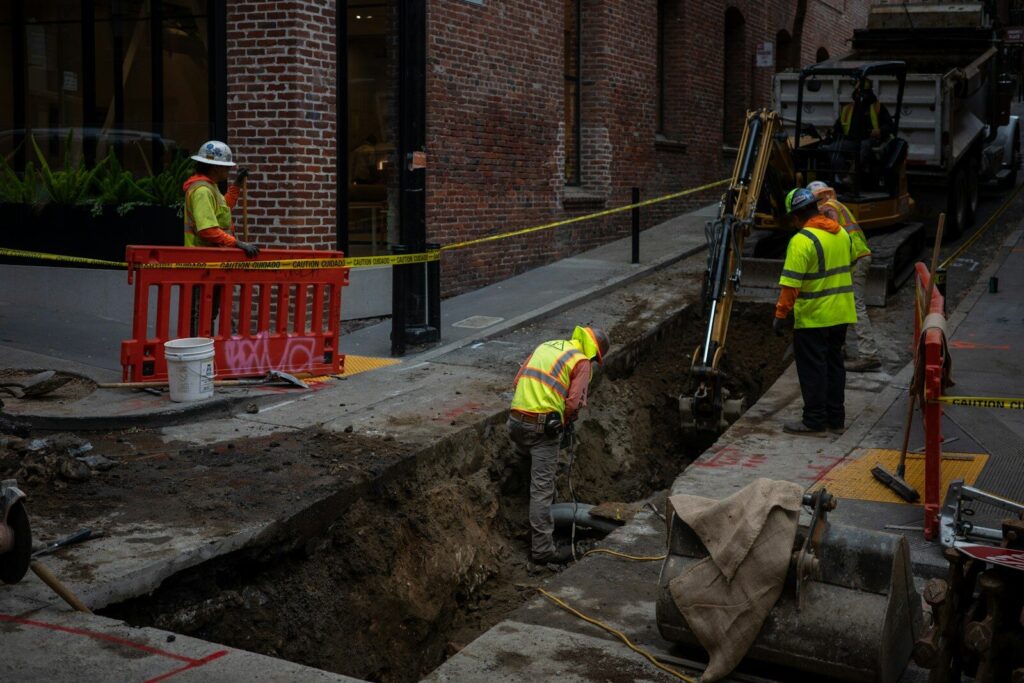
Image: Jake / Unsplash
More on Climate Change & Biodiversity:
Europe’s forests are losing their ability to recover from climate shocks
Himalayan glacial lakes are growing at an alarming rate, study warns