


















Fish could be more sensitive to commonly used antidepressants than humans, according to new research which raises concerns about the effects of pharmaceutical pollution in rivers and other waterways.
This research follows a recent study which detected elevated levels of antidepressant drugs in several North Carolina waterways.
Researchers from Tokyo University of Science and Kochi University studied how antidepressants interact with proteins in fish that control important brain chemicals, including serotonin, dopamine and norepinephrine.
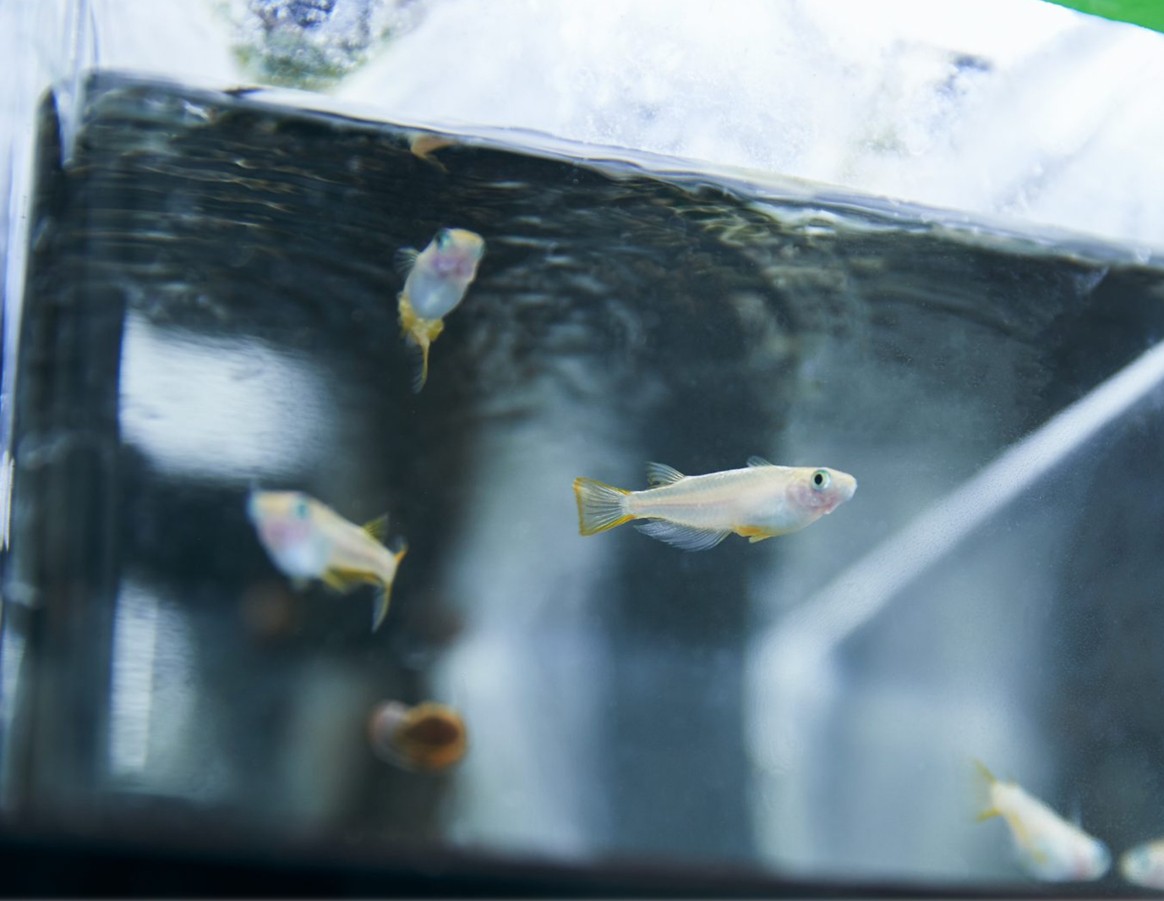
They looked at two fish species that are not closely related: medaka (Oryzias latipes) and ayu (Plecoglossus altivelis).
The researchers found that some of the fish proteins were affected by much lower concentrations of antidepressants than the equivalent proteins in humans.
The biggest difference involved SERTa, a protein that helps control serotonin. In both fish species, SERTa was more sensitive to antidepressants than another related protein called SERTb. In many cases, the fish version of SERTa was affected by concentrations of antidepressants more than ten times lower than those needed to affect the human version.
This matters because antidepressants are specifically designed to change the activity of these proteins in humans. After people take the medicines, however, the drugs and their breakdown products can pass through wastewater treatment systems and enter rivers, lakes and coastal waters. Some of these substances can remain biologically active after reaching the environment.
Fish use many of the same brain chemicals as humans, so antidepressants in the water could potentially interfere with their normal biological processes.
The researchers also found an unexpected difference between fish and humans. Some antidepressants affected fish proteins that the drugs would not normally be expected to target based on their effects in humans.
This means we cannot always predict how pharmaceutical pollution will affect wildlife simply by looking at how the same medicines work in people.
Several commonly used antidepressants affected fish SERTa at concentrations similar to levels that have already been measured in polluted waterways. In laboratory tests, drugs including duloxetine, fluoxetine, citalopram and paroxetine inhibited the fish protein at concentrations ranging from a few hundred to about 1,300 nanograms per litre.
Lead author Professor Shinichi Miyagawa said: ‘By demonstrating that key molecular targets in fish can be more sensitive than their human equivalents, our work offers crucial insights into the potential risks of pharmaceutical exposure to aquatic wildlife.’
The researchers believe the findings could apply to other fish species as well. Medaka and ayu are quite distantly related, yet they showed similar patterns of sensitivity. This raises the possibility that increased sensitivity to some antidepressants may be common among fish.
The researchers say their findings could eventually help regulators identify which medicines should be monitored more closely in the environment. They could also help inform the development of water-quality limits that better account for the different sensitivities of wildlife species.
Professor Miyagawa said: ‘By demonstrating that key molecular targets in fish can be more sensitive than their human equivalents, our work offers crucial insights into the potential risks of pharmaceutical exposure to aquatic wildlife.’