















The UK’s market regulator has confirmed the price of heat and power will rise again this autumn.
It’s bad news for budget-stretched households, as Ofgem announced its forthcoming energy price cap this morning. From October, the regulator has confirmed the average cost of keeping radiators and lights on at home will hit £1,723 per year. Almost £150 per month, the move represents a 4% rise compared with the current rate, adding around £60 to each bill.
According to Energy Secretary Miatta Fahnbulleh, the impact of the Iran war and associated oil and gas production, transportation and logistics crises are partly responsible for the increase. She also confirmed that subsidies for renewable projects were contributing to the burden.
Once the changes have taken place, the energy price cap will be its highest in three years, although the impact would be higher without the government’s decision to remove VAT from electricity bills, which will come into effect at the same time as the cost increase. Changes follow the leap that took place in July, when energy prices rocketed 13%. Bills are expected to rise again in January, with experts predicting a 9% hike.
‘If we did not invest in the infrastructure of our energy system…. [the public would not] forgive us,’ Fahnbulleh told LBC in an interview this morning. ‘It is not a choice to make sure that we are upgrading our energy system. We absolutely need to do that.’
While some corners of the press have been quick to jump on the renewables angle, Simon Francis, co-ordinator of the End Fuel Poverty Coalition, emphasised that gas prices and the repercussions of the US launching air strikes against Iran, were the biggest factors. The conflict will enter its seventh month this weekend Friday, despite the White House suggesting it would be over in a matter of weeks.
‘As with previous rises, it is the price of gas driving this latest increase. Every unit of gas used will be significantly more expensive than last winter and more than 150% higher than at the end of 2020,’ said Francis. ‘Price rises fall hardest on the households who can least afford them, with millions forced to pay more for the same energy or ration the energy they use even further. Cutting VAT on electricity and last year’s extension of the warm home discount was a start, but ministers need to go further and faster in helping people.’
‘Britain remains far too exposed to volatile global gas prices. The wars in Ukraine and Iran have created an unprecedented double crisis, with gas prices more than doubling since the start of the year,’ said Greg Jackson, CEO and Founder of Octopus Energy, the UK’s largest electricity supplier. ‘We urgently need to reform the market, make better use of our wind, and let people benefit from cheaper prices when green energy is abundant. We urgently need to reform the market, make better use of our wind, and let people benefit from cheaper prices when green energy is abundant.’
Continued promises that the blockade of the Strait of Hormuz will end soon have helped offer temporary respites from inflationary pressures, but there remains no peace deal or official reopening agreement in place at the time of writing. In July, traders warned the market was close to running out of fuel as the transport route once again closed. Since then, there has been continuous disagreement over the status of the waterway. The US claims to have removed mines laid by Iran, and that tankers are passing unobstructed. Meanwhile, the regime in Tehran insists the sea passage remains closed. Whichever is accurate, UK households should think about how to heat and power homes most efficiently.
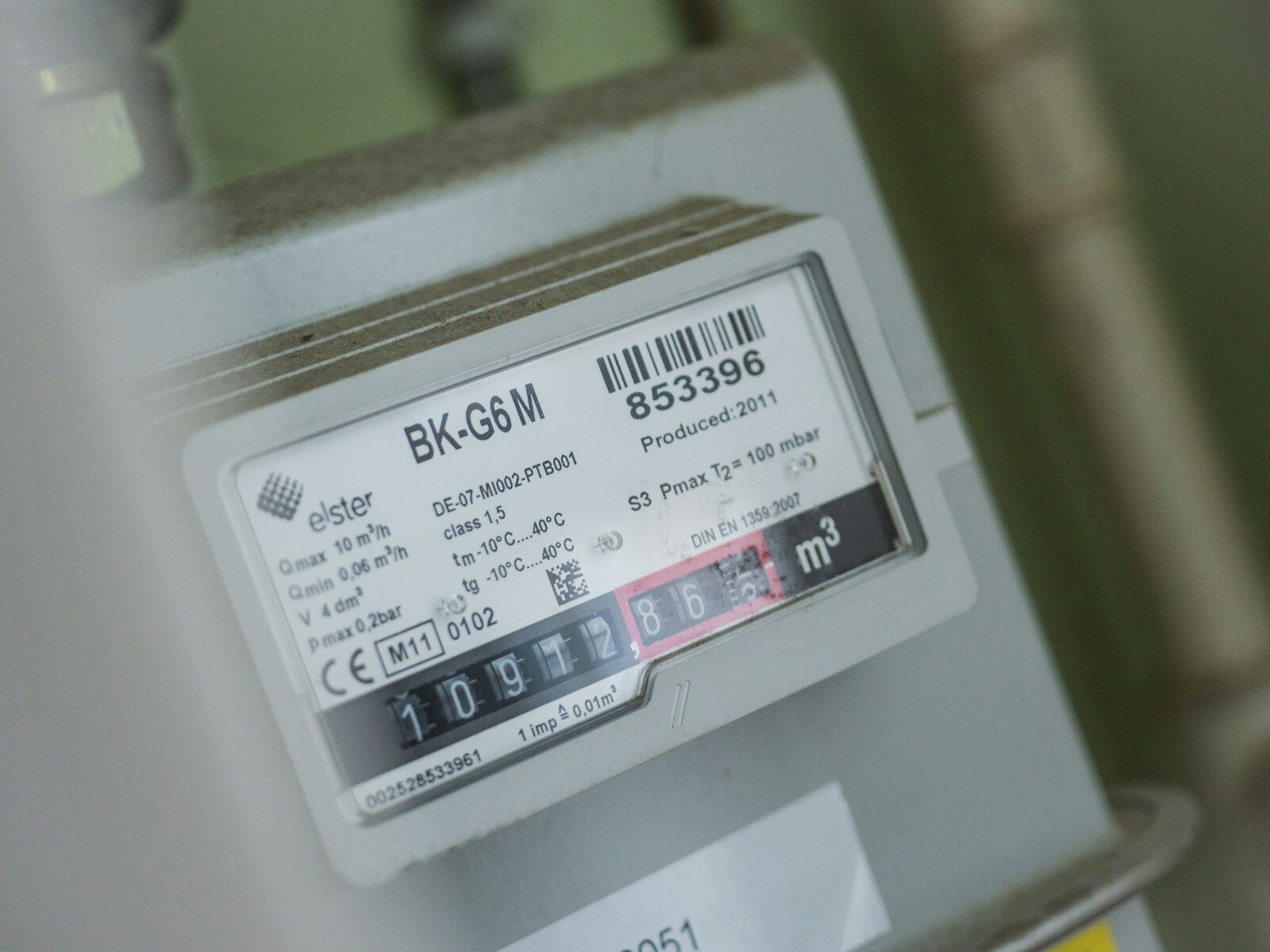
‘Our field team visits 4 million homes across Great Britain every year and sees the reality of the persistent cost of living crisis, largely fuelled by the cost of energy. While the structural changes needed to bring down bills in a sustained way will take time, there are options immediately available to consumers,’ said Catherine O’Kelly, CEO of the UK’s largest smart meter provider, Calisen. ‘Some of the cheapest energy deals are now offered to people with smart meters as suppliers look to match wholesale supply when it is abundant with consumer demand, translating to ‘free energy’ hours at off peak times to help balance the grid.
‘However, we know that it is often those who most need the cheapest deals who are the least likely to have a smart meter. Social housing tenants, for example, might not have access because landlord consent is needed and we know smart meter uptake in London is low due to access issues,’ she contained. ‘It is vital we work across industry and Government to unblock as many structural barriers as possible to the dynamic energy pricing available via smart meters and ensure everyone has access to the cheapest prices.’
Image: Arthur Lambillotte / Unsplash
More on energy and net zero:
The North West hospice improving air quality and efficiency with HVAC upgrade
Pylon near your home? Government reveals £250 energy compensation