

















Chemicals banned or restricted as long ago as the 1970s are still being detected across European ecosystems, highlighting the long-term environmental legacy of substances once widely used in consumer and industrial products.
A new systematic review found polybrominated diphenyl ethers (PBDEs) in air, water, sediments, soils, snow and sludge across 25 European countries.
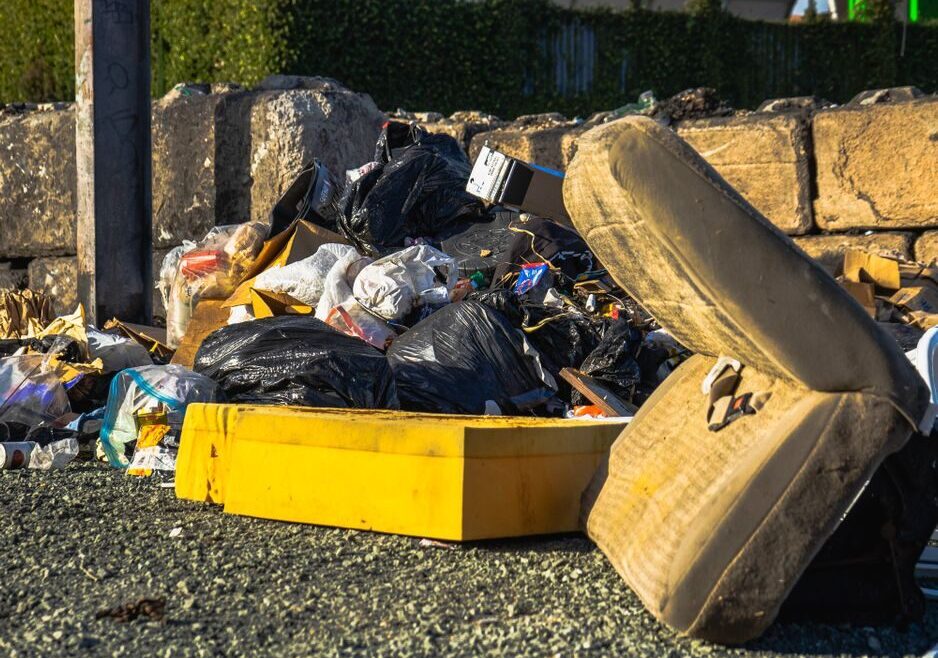
PBDEs are a group of brominated chemicals that were widely used as flame retardants. They were added to materials such as furniture foam, electronics, plastics, carpets and textiles. Problematically, PBDEs don’t tend to remain chemically bound to the materials they’re added to, escaping into household dust and the environment at large.
The review, led by Prof. Khaled Abass of the College of Health Sciences at the University of Sharjah, brought together researchers from institutions in Finland, the Czech Republic and Serbia. The team assessed 181 peer-reviewed studies, up to November 2025.
The researchers found that the chemicals were present in both heavily impacted and remote environments, with their distribution varying according to the type of environmental material tested.
PBDEs are a large family of 209 distinct chemical substances called congeners that share a similar base structure.
BDE-209 was found especially often in materials that collect particles, such as river sediments and sewage sludge. These materials can store the chemicals for long periods and may slowly release them into water, soil and the food chain.
Other PBDEs, including BDE-47 and BDE-99, were more commonly found in air and soil. Levels in water were generally lower and tended to change more quickly. By contrast, sediments, sewage sludge and some soils appeared to hold on to these chemicals for longer, allowing them to build up over time.
Prof. Abass said the findings demonstrated that sediments and sludge should not be regarded simply as places where contaminants are stored. Instead, they can form part of wider pathways through which pollutants continue to circulate between environmental systems.
The researchers say the continued presence of PBDEs is linked to legacy consumer products, recycled materials, waste streams and contaminated environmental reservoirs. Their findings also challenge the assumption that chemical contamination disappears once substances are banned or restricted.
Prof. Abass explains: ‘Europe is moving toward more ambitious circular-economy models, but circularity without chemical safety can unintentionally recirculate legacy pollutants. Materials once manufactured for fire safety may re-enter modern product chains through recycling if old chemical burdens are not carefully monitored.’
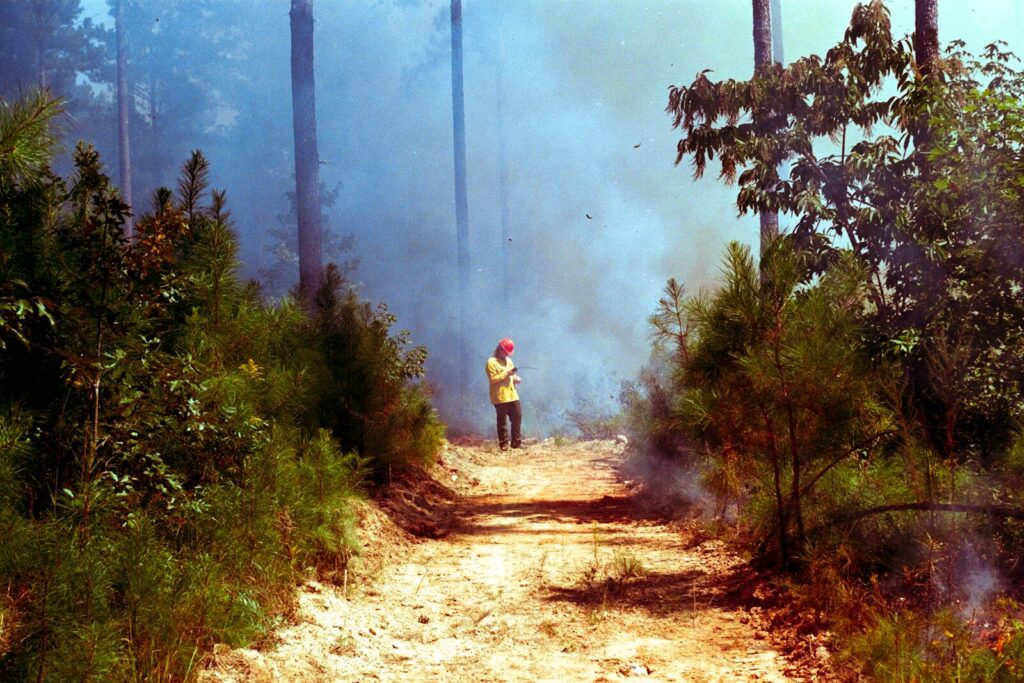
The study also found evidence of PBDEs in remote alpine, Arctic and background environments, which the researchers say reflects their persistence and ability to travel over long distances.
The authors are calling for more coordinated monitoring across Europe, covering multiple environmental compartments and a wider range of PBDE compounds. They also recommend greater attention to BDE-209, its transformation products and replacement flame retardants.
Prof. Abass said monitoring a single environmental medium or group of chemicals was no longer sufficient: ‘PBDEs move across connected systems: from products to dust, from dust to wastewater, from wastewater to sludge, from sludge to soils, and from sediments to aquatic food webs.’
The researchers also highlight potential exposure through indoor environments, including air and household dust, and say greater attention should be given to homes, schools, offices and workplaces.
Prof. Abass concludes: ‘Europe has made major progress in controlling PBDEs, however, the contamination record shows that past chemical decisions continue to shape present and future exposure. PBDEs are therefore not simply pollutants of the past. They are legacy chemicals with an active environmental presence.’
The full research can be read here.
Photo: Robert So