















British zoos and aquariums are falling short of their conservation missions, according to new research, with fewer than one in ten captive vertebrates native to the UK, and only a small fraction considered high-priority for protection.
The study analysed more than 106,000 animals across 113 member institutions of the British & Irish Association of Zoos & Aquariums (BIAZA). Researchers from the University of Brighton found that while zoos now champion education, research and conservation alongside entertainment, their collections overwhelmingly favour non-threatened, ‘charismatic’ species over those most in need of protection.
Of the 2,600 vertebrate species recorded, fish made up the bulk (61%) followed by birds (16%) and mammals (15%). Amphibians, despite being the world’s most threatened class of vertebrates, accounted for just 5% of captive animals and showed the lowest diversity.
Only 28.5% of captive species are classified as vulnerable, endangered or critically endangered on the International Union for Conservation of Nature (IUCN) Red List. Even more telling, populations of threatened species are less than half the size of non-threatened ones.
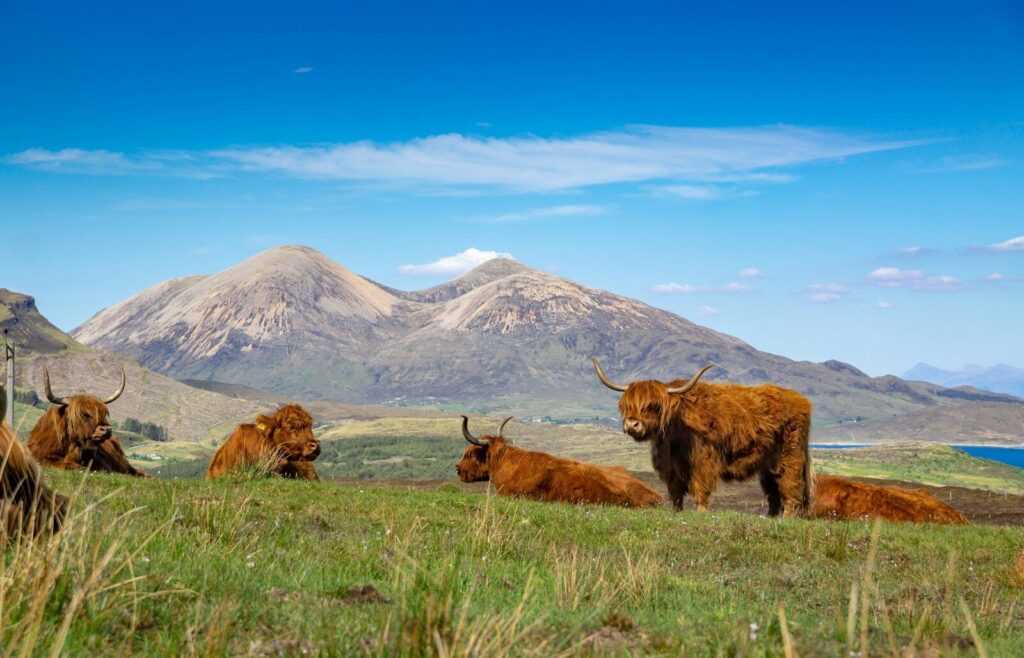
Just 9% of animals in UK zoos are British natives, and only 2% appear on any regional conservation priority list. That means the vast majority of creatures on display have little or no connection to local wildlife recovery efforts.
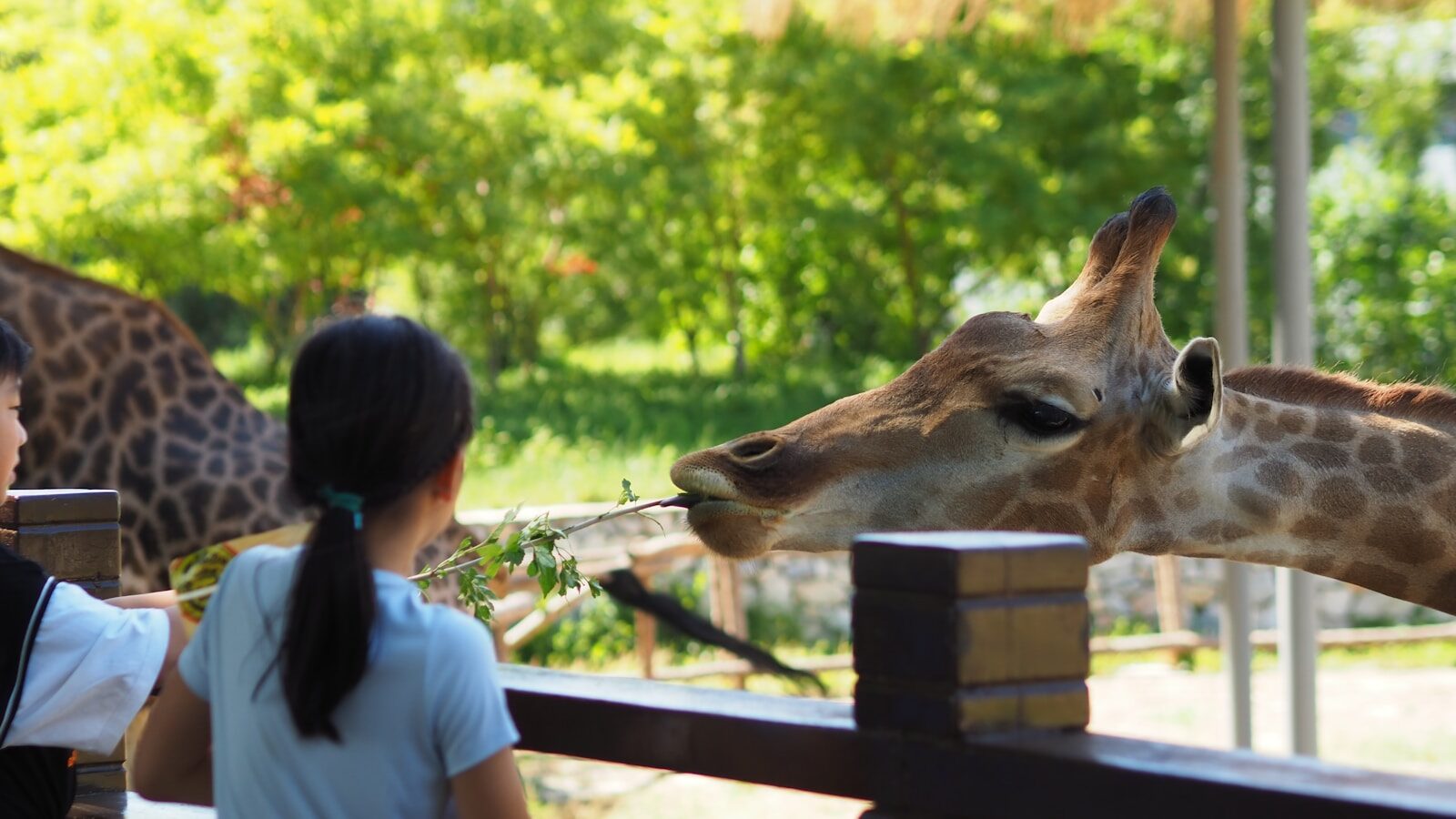
Lead researcher Justin Lennon said the findings highlight a tension at the heart of modern zoos: ‘Large, charismatic species attract paying visitors, which keeps zoos financially viable, but they are often not the highest priority for captive breeding or reintroduction.’
The authors acknowledged that BIAZA zoos are making some contribution to preserving native and priority species. However, they argued that with conservation as a core pillar of membership, institutions could – and should – do significantly more to boost both the diversity and population sizes of threatened species in their care.
While many visitors expect to see exotic animals, researchers warn that without a sharper focus on local and globally imperilled species, British zoos risk prioritising spectacle over science and entertainment over genuine environmental impact.
The authors add: ‘Conducting this research changed my own perspective. Like many people, I was aware of the criticism surrounding zoo and aquaria, and it’s right that they continue to be challenged to demonstrate their conservation value. But spending years analyzing these collections also revealed how much important work takes place beyond the exhibits.
‘Modern zoos are no longer simply places where animals are displayed. They have become centers for conservation breeding, scientific research, education and international collaboration, working together to safeguard species that may one day return to the wild.’
The full research can be read here.
Photo: Jackie Park