
















A nationwide citizen science project has turned thousands of honeybee colonies into living environmental monitors, revealing what plants are flowering across the UK and how foraging resources are shifting over time.
A new study has published the results of the UK National Honey Monitoring Scheme (NHMS) to which more than 3,500 beekeepers across England, Wales, Scotland and Northern Ireland contributed between 2018 and 2025.
The scheme, led by the UK Centre for Ecology & Hydrology, recruited over 3,500 beekeepers who have collectively contributed nearly 5,800 honey samples.
By analysing environmental DNA in the honey, researchers have identified which plants honeybees are visiting, offering an unprecedented, large-scale picture of floral resource availability.
Between 2018 and 2022, plant DNA was successfully extracted from more than 95% of returned samples. The results show that five plant genera dominate honeybee diets nationally: Brassicas (including oilseed rape), clovers, Himalayan balsam, brambles and forget-me-nots.
However, strong geographical patterns emerged. Brambles are far more prevalent in southern England than in Scotland, while the invasive Himalayan balsam is most dominant in northern regions. Scotland showed the greatest diversity of forage plants beyond these five main groups.
Beyond mapping plant life, the archived honey samples represent a valuable resource for future research. Scientists have already begun using them to track pesticide residues, supporting a UK government indicator on chemical exposure. The samples also hold potential for detecting honeybee diseases, plant pathogens and even airborne DNA from invasive species such as the Asian hornet.
The scheme’s success stems from close collaboration with beekeeping associations during its design, alongside sustained engagement through newsletters, conventions and online portals. Beekeepers receive free reports showing the top 15 plant species their bees foraged on, along with maps of local land use.
The project demonstrates how citizen science and eDNA technology can deliver cost-effective, national-scale environmental monitoring that would be impossible through conventional research alone.
The authors said: ‘Monitoring environmental change has always been hard at national scales, with the sheer size of nations making the resources to do this of huge costs.
‘Working with beekeepers across the UK, we show the potential of the National Honey Monitoring Scheme and its use of environmental DNA approaches to monitor changes in the wild plants, as well as its role as a resource for understanding new risks from pesticides, and disease risks that these critical pollinators are exposed to.’
The full report can be read here.
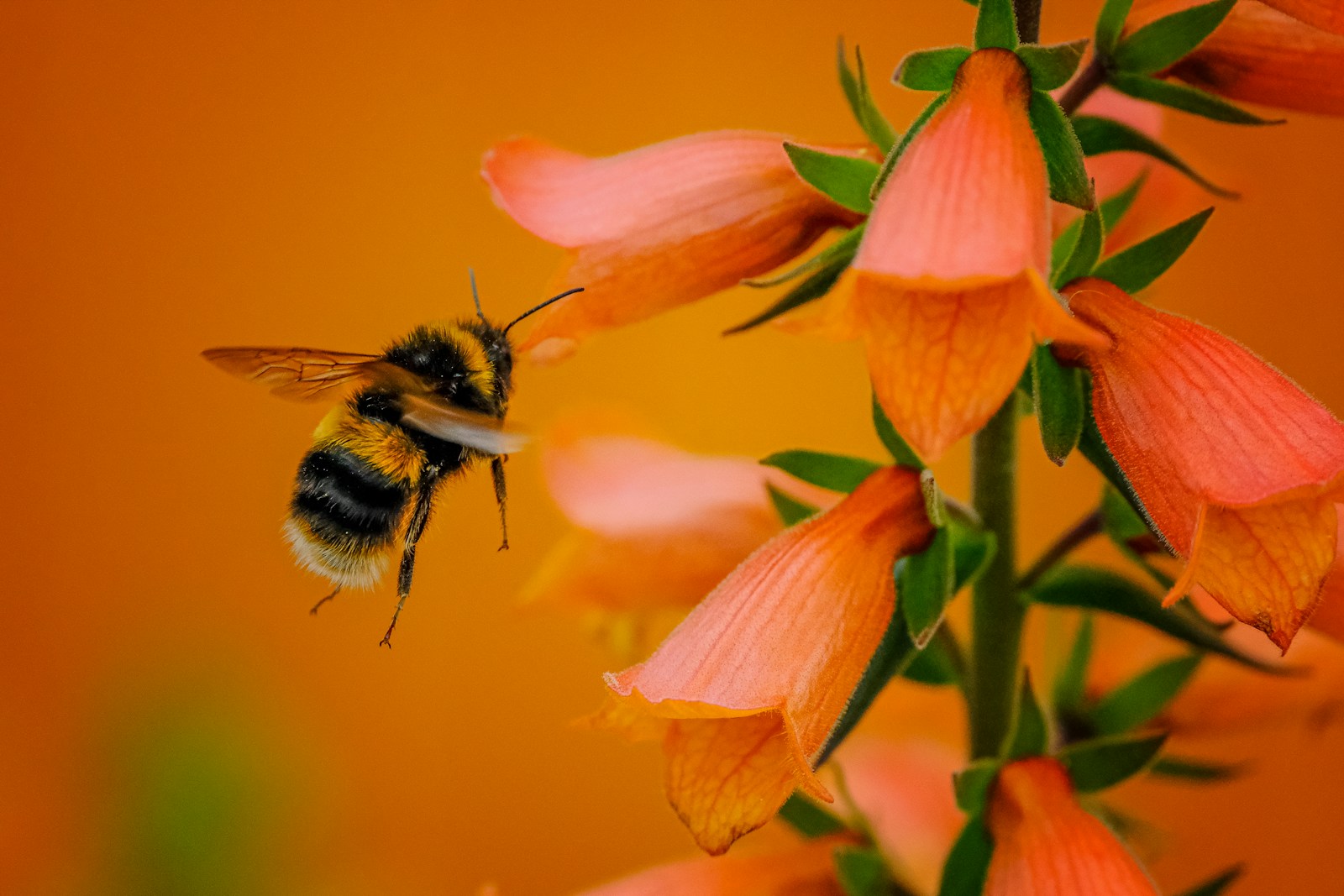
Photo: Phil Robson