














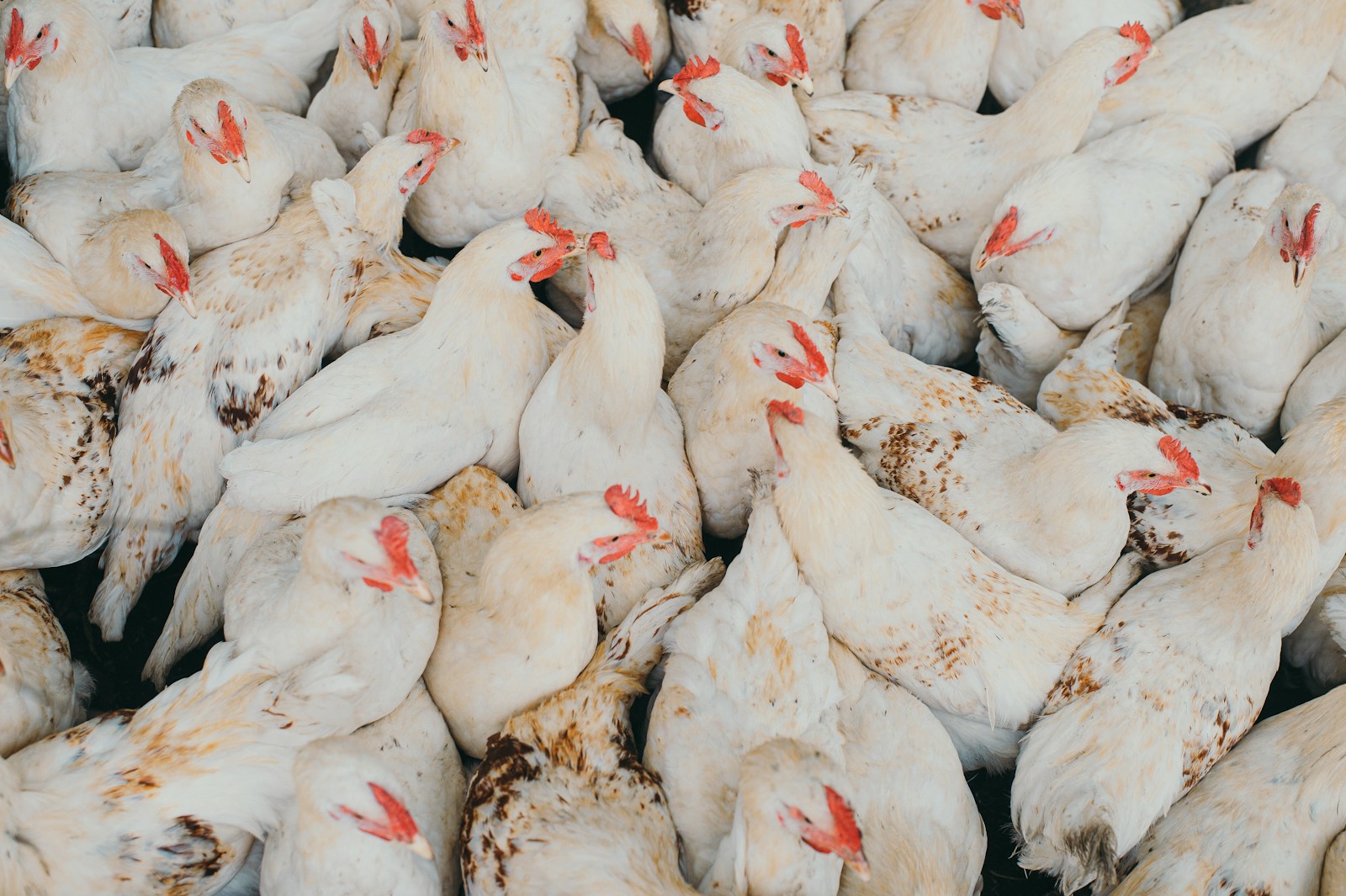
Millions of poultry birds are unaccounted for across the UK, with potentially huge consequences for freshwater bodies.
As if Britain’s river pollution problem needed another flash point, yesterday news broke that data on British chicken farming is inaccurate.
According to The Wildlife Trusts report, Counting Chickens — An Analysis Of UK Poultry Numbers — around 25 million birds are unaccounted for within the agro-food sector of Lincolnshire, Shropshire, Norfolk and Herefordshire alone. Extrapolated nationally, this could mean close to 70 million avians housed in free range, battery, or organic farms are not being include in population analyses.
This presents a serious issue due to the way data on chicken and other poultry types is used. Information forms a critical part of assessments for land use, planning permission, river pollution (due to run-off from agriculture sites) and nature restoration.
Researchers argue that, based not the scale of underreporting, there could be close to 185,190 cubic metres of manure being used without the knowledge of environmental watchdogs. Enough to fill 74 olympic swimming pools, the potential for this to cause major spikes in pollution incidents, turn land toxic, and enter the food chain, is high.
‘The evidence is clear: Government decisions on poultry permits, and subsequent land use and pollution impacts, are based on misleading data,’ said Vicki Hird, Strategic Lead on Agriculture at The Wildlife Trusts. ‘Our new research shows that in England alone, these inaccuracies could mean an undercounting of poultry by at least a third, with huge impacts on our natural world, as well as on the health of the rivers and waterways we all enjoy for bathing and drinking water.’
Following the report, The Wildlife Trusts is now calling for the following steps from government:
- Urgent data and policy review: action must be taken to ensure data on the UK poultry flock in all four nations is accurate. A review of all poultry policies, regulations and measures – including any growth plans and planning rules and decisions at local level – must then work to ensure risk and harms are avoided, using correct figures to inform decisions.
- Reform existing permitting regimes: risk assessments and environmental permitting of intensive poultry units in the UK must be reformed. Units must be accurately assessed and permitted according to both their size and the wider environmental impacts of feed and excreta, especially in light of water pollution risks.
- Food chain regulation: ensure supply chains are regulated and incentivised to support farmers to transition to a less polluting and more integrated poultry system.
You can read the full Counting Chickens report here.
Image: Egor Myznik / Unsplash
More on Waste, Pollution and Recycling:
To pee or not to pee: environmental questions hang over urine
Britain has new rules for bins, here’s how you recycle lightbulbs