


















In the last red flag for biodiversity as an operational risk, a new analysis looks to raise awareness of the difference between ‘low carbon’ and ‘green’.
Published by Fairphone, the study highlights how 75% of the environmental impact from smartphones occurs prior to the device being sold. This is largely due to mining and the collection of requisite resources, leading to catastrophic effects on local wildlife in these areas.
11 global mining hotspots were identified as having suffered particularly badly. These are:
- Brazil (Minas Gerais): Gold, Iron
- China (Ningxia): Magnesium
- Guinea (Bauxite Belt): Aluminium
- India (Karnataka): Iron
- Indonesia (Maluku, Sulawesi, Bangka Belitung Islands): Cobalt, Nickel, Tin
- Myanmar (Wa State): Tin
- Peru (Ancash, San Rafael): Copper, Tin
- Philippines (Palawan Island): Nickel
Although new government frameworks for reporting risk to nature are being introduced in many territories – including the EU’s CSRD – Fairphone’s analysis shows a lot of data is missing. Meanwhile, measurements for biodiversity levels are, in many cases, decades old and may not truly reflect the current habitat statuses and populations sizes.
‘The industry has been optimising for carbon while ignoring the systems that actually keep the planet alive,’ said Monique Lempers, Chief Impact Officer at Fairphone.
‘This work shows that even products branded as ‘green’ can be destructive to nature if we don’t look beyond emissions. By measuring impact more holistically, we can solve climate challenges while protecting nature at the same time,’ she continued. ‘This report is a first but crucial step in understanding the real impact that tech manufacturers make during the production process.’
The Fairphone is now calling on the technology industry to switch from a climate-only strategy – whereby emissions are the focus of ‘green’ actions, policy changes and corporate initiatives – and acknowledge that biodiversity is also a core operational risk to all organisations. This would mean partnering with relevant bodies on remediation, mitigation and restoration schemes.
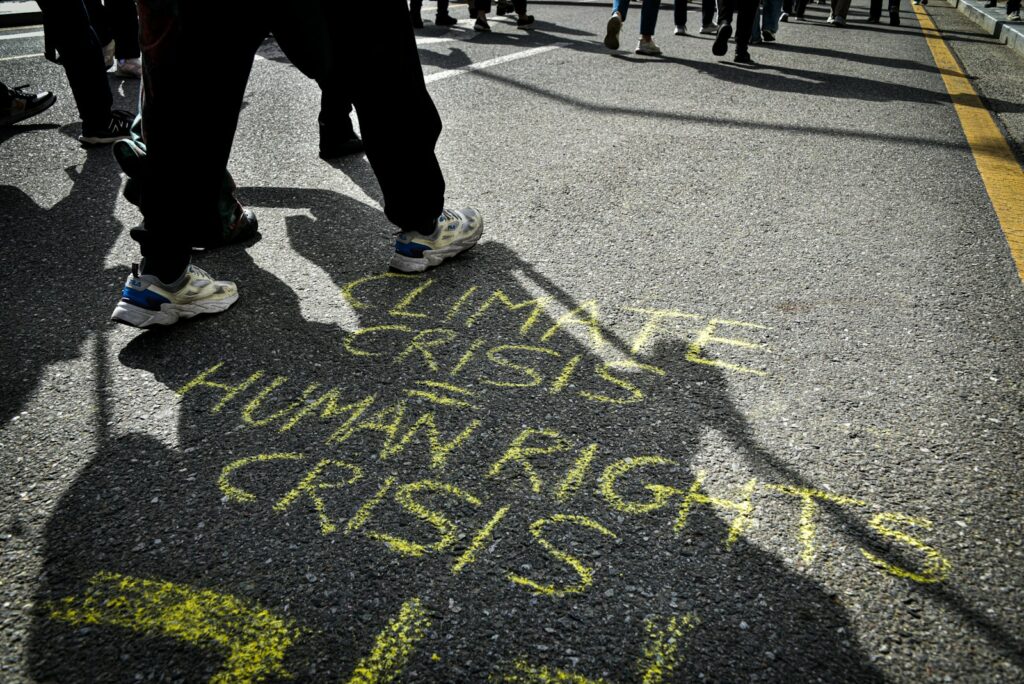
Image: camilo jimenez / Unsplash
More on Biodiversity & Climate Change:
UK-wide action days announced to oppose ‘dirty data centres’
Sussex firm becomes founding member of global nature, sustainability, society network