


















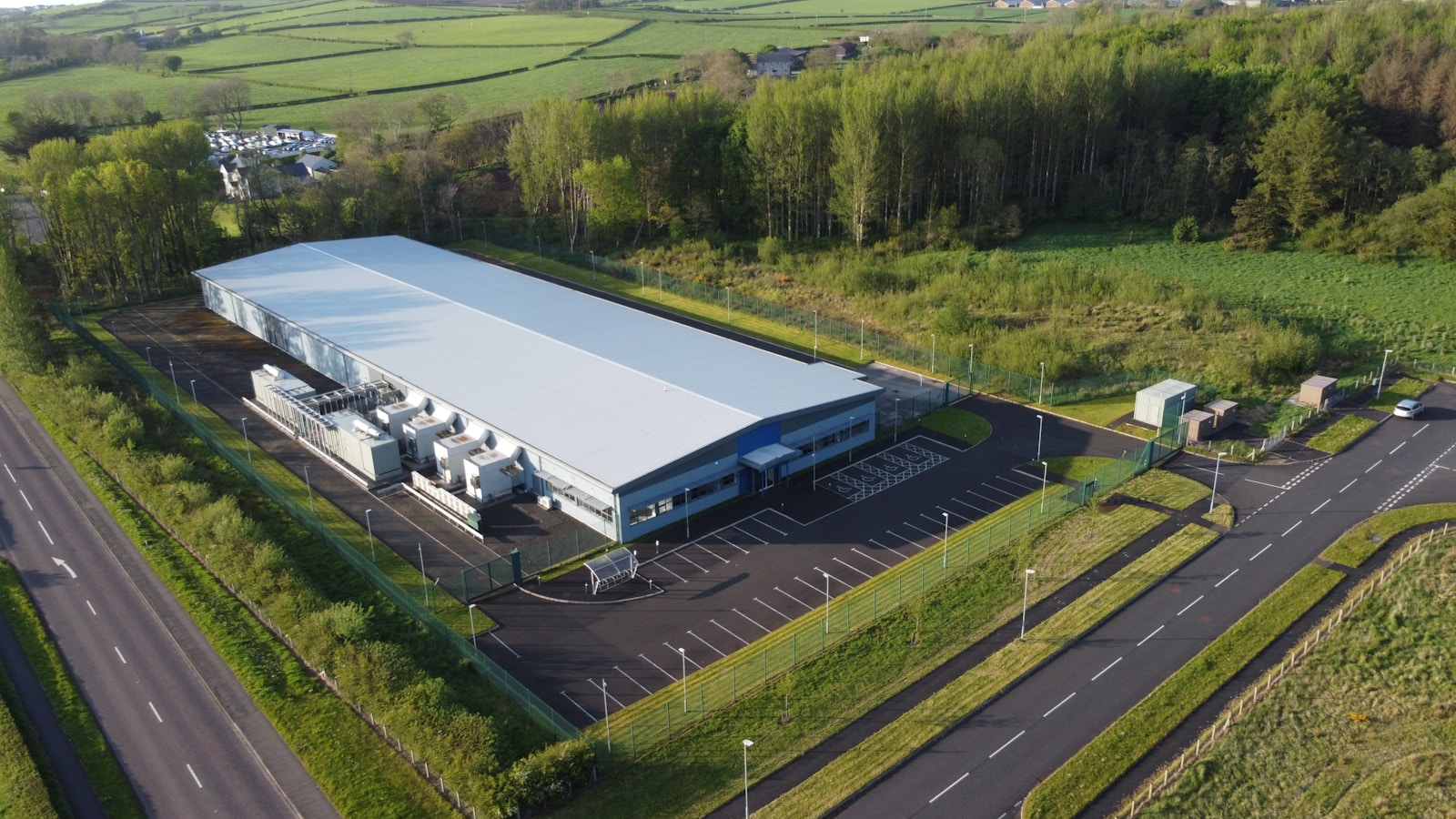
With Downing Street red in the face after admitting it should not have approved a Buckinghamshire data centre, a consultancy expert expounds on what needs to happen for the artificial intelligence boom to be more palatable for people and planet.
AI is developing at a speed that many of us did not expect, and the data centres needed to support this growth are taking a hit. The sheer amount of computing power needed to operate this infrastructure means racks are running hotter than ever.
Conventional cooling practices, such as water and air cooling and structured airflow, are not sustainable enough to keep up with this demand. We’ve seen that newer modern methods, such as liquid cooling, are becoming increasingly popular and important. Many operators are now turning to liquid cooling systems because they can handle higher efficiencies, allowing servers to perform without overheating.
However, adopting a new system is not as simple as switching some parts for others; it involves infrastructure redesigns, pipeline management, water flow assessment and upskilling activities for employees to be able to handle the higher maintenance needs. If a project begins without considering these challenges, it is bound to run into delays or operational issues.
Water consumption is becoming a material concern
Water, a primary and limited resource, is a major part of the cooling system and is quickly becoming a widely talked-about issue. While proper regulations around this are still developing, investors and customers won’t wait and will ask the big questions: how are these big data centres going to be sustainable if they end up using so much water? Through an operator’s lens, this means respecting community resources, understanding usage levels and trying to recycle wherever possible. If these basic stakeholder concerns go unheard, data centres will be at a huge reputational and operational risk.
Thanks to increased power densities, grid constraints and planning delays, these challenges are becoming more complex. UK regulators, for example, are looking at the resilience and sustainability aspects of newer data centres, and similar pressures exist across the whole of Europe. The lesson here is that operators need to think holistically and beyond their immediate capacity needs. In practice, this means that operators should integrate their cooling strategies with water management from the beginning, and facilities should be designed keeping in mind future workloads and resilience, rather than chasing speed to market and risk harming the environment.
Planning for future environmental requirements
Closed-loop cooling systems are gaining a lot more traction, and for the right reasons. They offer a clear-cut path to sustainability as these systems enable water reuse, reduce overall energy demand, and limit environmental impact. Currently, mid-sized operators are constantly trying to get ahead of their competitors and are facing immense pressure to adopt modern cooling systems at speed while ensuring long-term reliability. The solution here is to partner with experienced delivery teams that can help strike the balance between speed, cost, and sustainability.
Modular construction is also helping operators keep pace with demand. How? Pre-built modules include liquid cooling from the start, which reduces the need for on-site construction time and disruption to local communities. For example, in areas like the Thames Valley or the Midlands, where planning approvals can be slow, modular approaches can allow operators to deploy capacity at speed without compromising sustainability. The important part is, modular designs embed sustainability into the build rather than having it as an add-on later. In this day and age, to meet both investor expectations and regulatory changes while still running on schedule, operators need to combine modular deployment with careful water and cooling strategies.
Why sustainability is a marker of operational excellence
Another challenge is when operators want to push to scale as quickly as they can. Investors, customers, and governments all want to see results, but rapid deployment should not come at the cost of the environment.
Operators sometimes cut corners and do not implement appropriate systems or even consider sustainable solutions. In order to speed up approval processes, identify risks, and adopt environmental protection measures like liquid cooling, closed-loop water systems, and modular construction from the outset of projects, early collaboration between operators, stakeholders, suppliers, and local authorities is needed to get a head start on ESG requirements.
Water and cooling are now central considerations in defining a responsible, future-proof data centre. It’s worth noting that sustainable growth is not only about compliance. Communities care, customers care, and increasingly, investors care. Data centres require meticulous planning, responsible resource management, and operate with transparency to navigate an era where both AI demand and environmental expectations are rising. That combination of foresight, planning, and operational excellence will define the next generation of AI infrastructure.
Jon Healy, Regional Strategic Operations Officer, EMEA, at Salute, a company offering professional services for data centres across design, build, operation and refresh.
More Case Studies, Features and Industry Insight:
Preparedness over inaction: Defra’s ‘climate ruin’ report and UK communities
How to avoid supporting the most destructive food production practices