












Scientists now think we may have been overlooking a simple greenhouse gas solution.
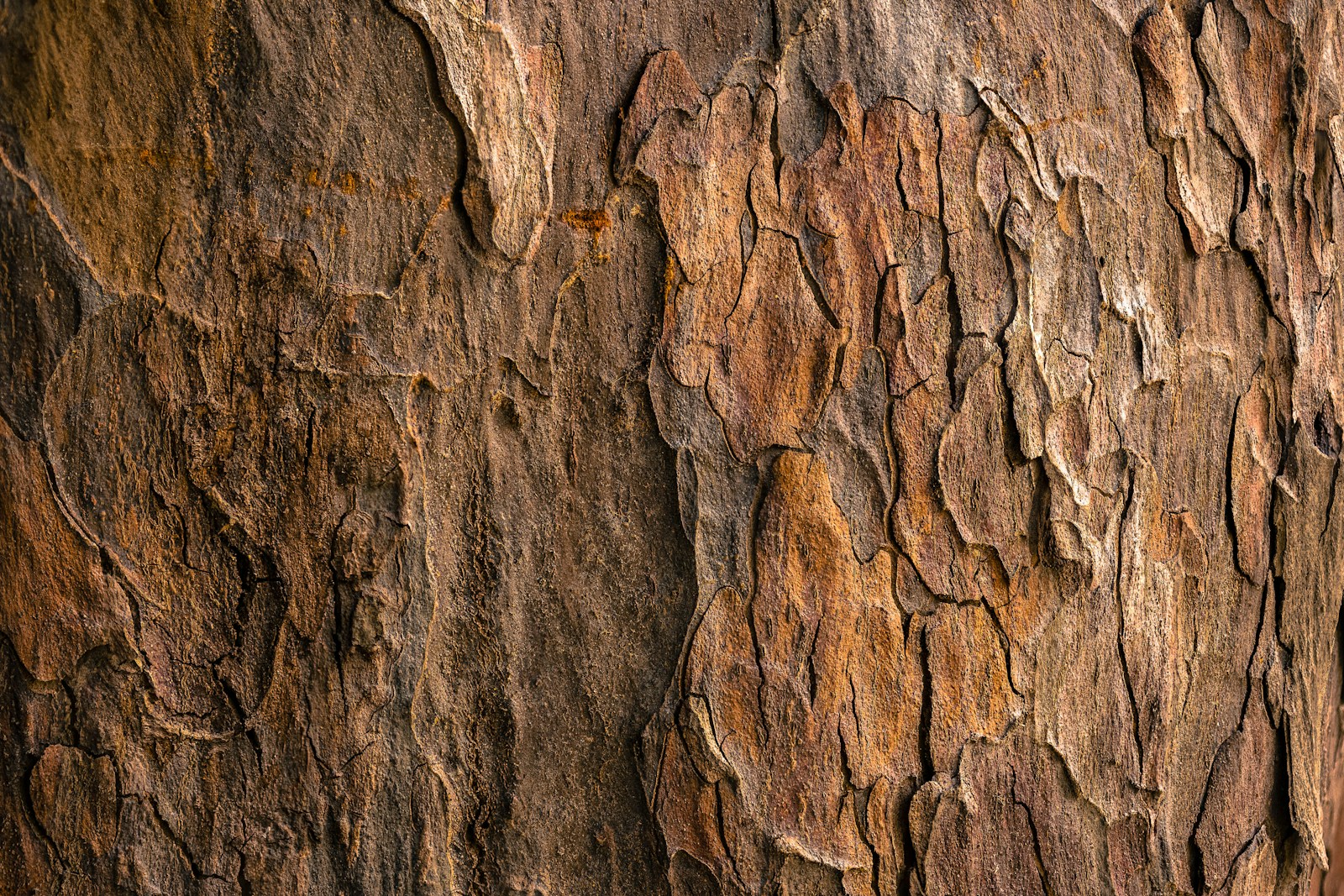
If stretched out flat, all the tree bark on Earth is estimated to cover around 143 million sq km. That’s almost enough to planet the entire surface are of the planet.
If that’s impressive, spare a thought for the micro ecosystem that lives on the outside of our flora. According to researchers in Australia, the so-called ‘caulosphere’ is home to an almost-unfathomable number of microbes, with one study of the wetland species paperbark revealing 6 trillion living bacterial per square metre.
Analysing 114 of these, the tram found that three ‘families’ dominated the demographics. These were Acidobacteriaceae, Mycobacteriaceae and Acetobacteraceae, none of which had been identified before, all of which were capable of taking in hydrogen, carbon monoxide, and methane in order to survive.
Further investigations offered similar results – all barks on another seven Australian trees were found to behave in the same way. Extrapolating this, it’s now believed that across the world the global intake of tree bark microbes is could be between 0.6 and 1.6 billion kilograms of hydrogen annually. This is equal to around 2% of the total output.
However, researchers are quick to point out that much more work needs to be done to determine if this is an accurate measure. Essentially, we need to ask if all types of tree in every region follow a similar pattern.
‘Discovering the hidden role of trees doing more than just capturing carbon dioxide in their wood is very important,’ said Southern Cross University’s Luke Jeffrey, who joined with experts from other institutions, including Monash University, on the project.
‘They are active cyclers in other greenhouse gases,’ he continued. ‘This is exciting, because H2 affects the lifetime of methane in our atmosphere, therefore H2 consumption in bark may help in reducing our growing methane problem.’
Image: Jude Infantini / Unsplash
More on Biodiversity, Climate Change, Nature & Sustainability:
Barking & Dagenham bring rare birds back to London after 600 years
National Audit Office: Defra, Environment Agency, Natural England need strategic reform
These strategic policy recommendations turn natural capital into critical infrastructure