















As the UK’s green regulators work to improve processes and outcomes, the country’s independent public spending watchdog makes a series of key recommendations.
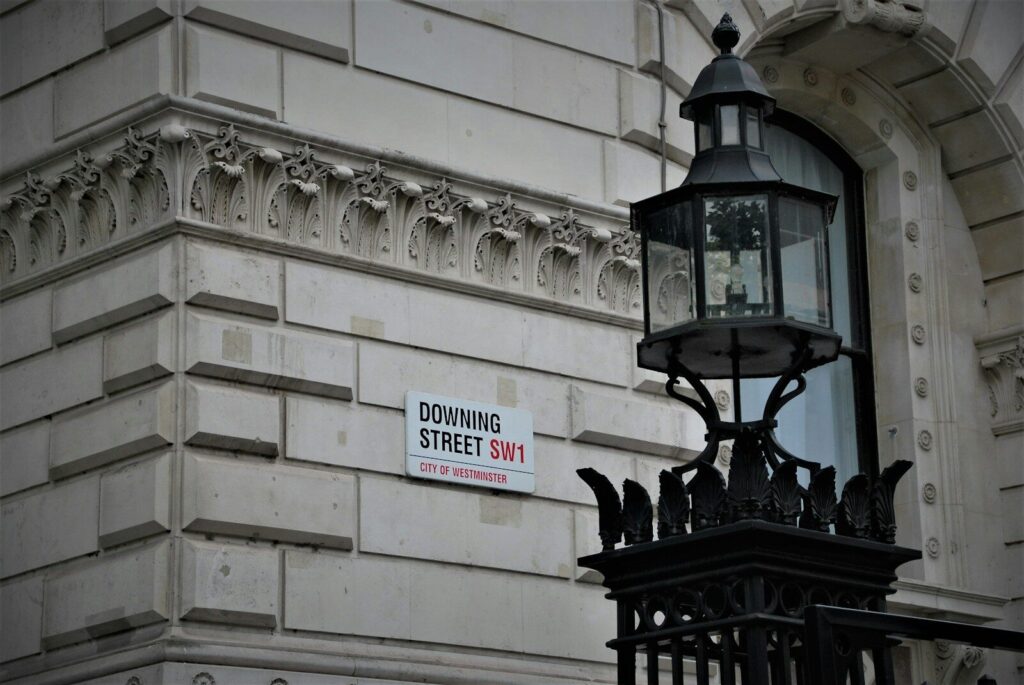
Organisations including the Department for Environment, Food and Rural Affairs (Defra), Environment Agency, and Natural England are being asked to tread a fine line. Asked to meet Downing Street’s ecological goals and economic aims is a challenge, particularly when systems and processes are outmoded.
Recent reviews of Defra and its arms-length bodies have put forward almost 150 points for improvement, adding yet more work to organisations which are already stretched by responsibility for more than 3,000 individual pieces of legislation. Now a new report by the National Audit Office (NAO), Environmental Regulation, highlights the monumental task ahead in terms of rolling out meaningful reform to improve performance at a time when pollution events are rising, biodiversity continues to decline, and pressure is on local authorities to approve large scale developments to tackle the housing crisis.
‘Our current environmental regulatory system is not working well enough to support
government’s environmental goals and enable economic growth,’ said Sir Geoffrey Clifton-Brown, Chair of the Committee of Public Accounts. ‘Defra and its regulators are facing significant challenges to deliver the volume of change needed as part of ambitious reforms to the system.
‘Alongside the complex regulatory environment, limitations in data systems, challenges in addressing skills shortages and a lack of strategic approach from Defra are all hampering regulatory delivery,’ he continued. ‘For example, Defra does not have a single database or dataset for farms that can be used to share insight on risks across government.
According to the NAO analysis, Defra, the Environment Agency, Natural England and other regulators are not just hamstrung by outdated technology, they have also developed a culture of caution and risk adversity, partly driven by the threat of legal challenges. The result means efforts to pioneer new approaches and ideas are often thwarted, and when action is taken this is often reactive rather proactive.
‘The government intends for the regulatory system to both protect the environment and enable economic growth, but it is not working as effectively as it could. The current system is complex and outdated,’ said Gareth Davies, Head of NAO. ‘Defra and the regulators are working to improve how they regulate, including in response to recent major reviews. Success will depend on taking a sufficiently strategic approach and sticking to the course set.’
You can read the full NAO report, and recommendations, here.
Image: Yulian Alexeyev / Unsplash
More Biodiversity, Climate Change, Nature & Sustainability:
South Downs National Park is England’s green ‘economic powerhouse’
Housing over nature as Biodiversity Net Gain exemptions expand
Satellite analysis reveals worrying European groundwater weight loss