
















The rewilding project has been funded by the Mayor of London’s Green Roots scheme.
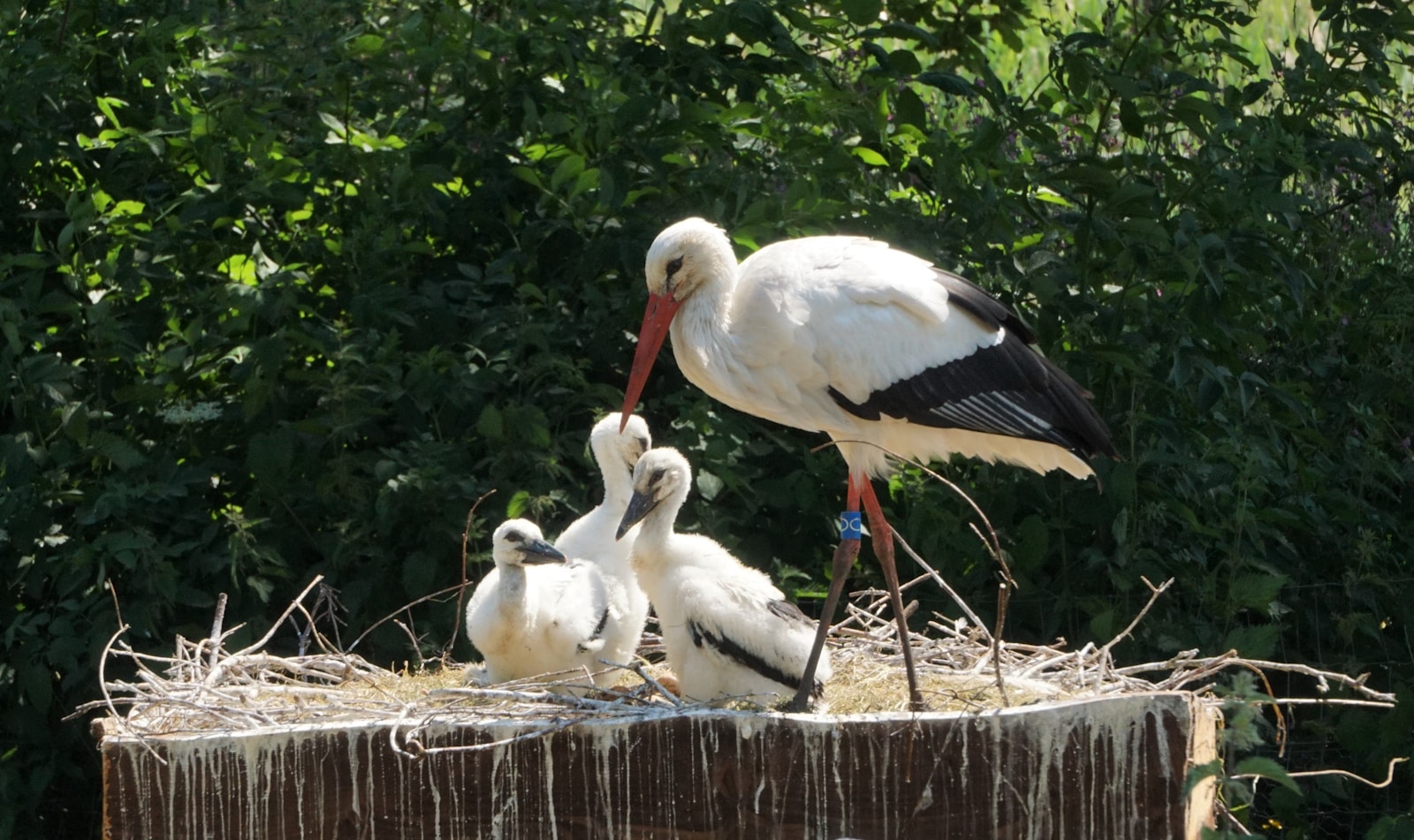
White storks were driven to extinction in the UK during the 1400s, but a new breeding colony of the birds is being established in London’s Eastbrookend Country Park. Barking & Dagenham Council, London Wildlife Trust, and City Hall are collaborating on the initiative.
£500,000 has come from there Mayor of London’s Green Roots funding scheme, just one of 26 projects which have been awarded a combined £3.48 million. Once introduced, the site will be the UK’s second publicly accessible white stork reintroduction colony and the first ever in the capital.
Eastbrookend will also see beavers return as part of the same initiative. The large rodents had not been spotted in the capital for 400 years until they were reintroduced in West London during 2023. This year will now see the population grow significantly and spread to the other side of the city.
Councillor Dominic Twomey, Leader of Barking and Dagenham Council, said: ‘Barking and Dagenham will be only the second official location for a white stork reintroduction scheme in the country and the first ever in London. After more than six centuries, this project brings an iconic species back to our landscapes.
‘This initiative is a joint effort with our strategic partner, the London Wildlife Trust, and builds on the success of the first reintroduction project in Sussex, where wild breeding began in 2020,’ he continued. ‘Together, we are improving local habitats, boosting biodiversity, and promoting environmental education with Eastbrookend Country Park becoming a flagship learning destination for schools and families from across the borough and beyond.’
Other projects which have received funding include a new Dads & Kids Growing Club at Jessop Primary School in Lambeth, helping parents and kids cultivate plants and food, and the area will also see sustainable rainwater management introduced to two housing estates. Elsewhere, a bluebell wood in Merton will also benefit, while a secure mental health unit in Newham will receive a new therapeutic green space developed.
‘I am proud to support these projects which will reconnect Londoners to their local spaces and bring nature back into the city,’ said Deputy Mayor for Environment and Energy, Mete Coban. ‘We see parts of London where people do not have access to good quality green and blue spaces and the Green Roots Fund is working to change that, helping to transform our neighbourhoods – making nature accessible for everyone.’
Image: Nancy Hughes / Unsplash
More Biodiversity, Climate Change, Nature & Sustainability:
South Downs National Park is England’s green ‘economic powerhouse’
Housing over nature as Biodiversity Net Gain exemptions expand
Satellite analysis reveals worrying European groundwater weight loss