


















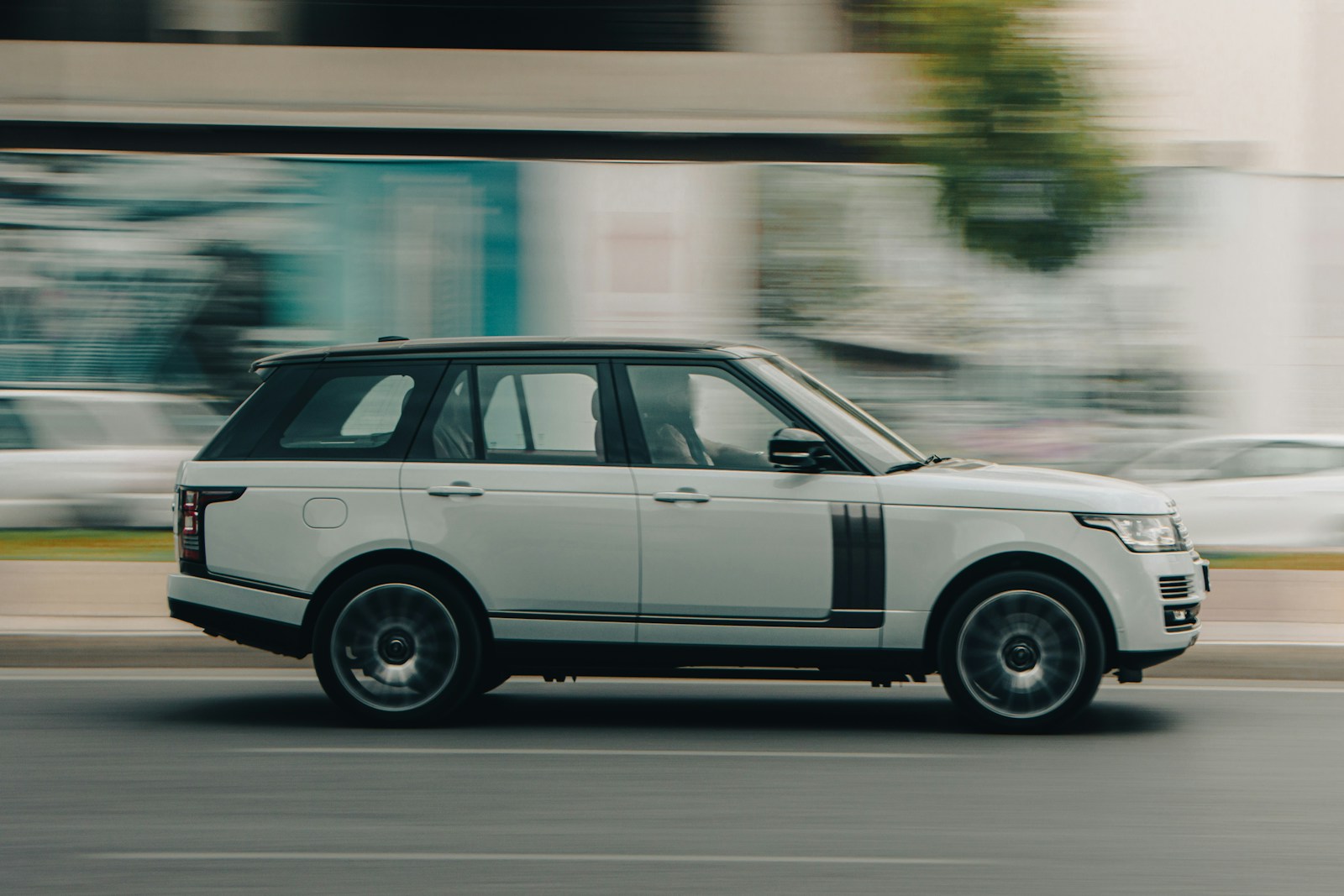
Ownership of large – and heavy – family vehicles is continuing to climb, with serious implications for road maintenance, air pollution and fuel consumption.
SUVs now make up two-thirds of UK car sales, significantly higher than their 51% share back in 2021, when a study by the think tank New Weather Institute and climate charity Possible also showed that most owners lived in urban and suburban areas.
To get an idea of just how many more ‘sports utility vehicles’ are now on city roads, in September we reported that overall numbers had leapt by a factor of 10 in 20 years across major conurbations. 30% of all cars now fall into the SUV category, with numbers set to climb exponentially given the sales figures.
According to the UK office of Transport & Environment, this poses several big issues. A two-tonne SUV, for example, cases 16 times more damage to roads than a one-tonne car. They also need 20%more fuel than an average medium-sized family vehicle, and as 77% of new registrations of this type of vehicle are petrol, diesel, PHEV or hybrid, emissions are also a major problem, with far higher carbon output than other options on the market.
Cardiff Council has already moved to introduce a weight-based parking surcharge for in key areas of the Welsh capital. Meanwhile, the London Assembly has also agreed to a Labour proposal to raise taxes and parking fees across the city. These approaches are more in line with Europe, with UK buyers currently paying around 20 times less for the largest cars than their continental counterparts.
A campaign to lobby Downing Street began before the Autumn Budget was unveiled last week, urging the Chancellor to seriously consider a Large Vehicle Levy based on weight. According to transport & Environment, this could bring in close to £2 billion in revenue each year, helping ease the widely discuss budget deficit. Money could also be used to support transition to EVs, particularly among lower income households. While this wasn’t one of the headlines that came out of Labour’s latest fiscal plan, pressure from organisations including Greenpeace, Campaign for Better Transport, Cycling UK, Mums for Lungs, Living Streets, Friends of the Earth, Global Action Plan and Centre for London is ongoing.
‘The Large Vehicle Levy would apply an additional amount to first year VED of £10 per kilogram
for every kilo above 1,600 kg. The average weight of segment C ICE vehicles, which includes
recognisable family cars such as the VW Golf and Ford Focus, falls under this threshold at
1500kg,’ read an open letter to Chancellor Rachel Reeves. ‘This ensures the levy would almost exclusively affect the largest and most luxurious vehicles on the UK market. To reflect the added weight of batteries, new electric models would get a 400 kg allowance, meaning only electric vehicles that weigh more than 2,000 kg would be subject to the tax. This offers a fair means to tax large EVs, without disincentivising the vital transition of the UK fleet to electric.’
Image: Dextar Vision / Unsplash
More on Transport, Infrastructure & Planning:
Barnsley MiCard proves demand for free bus travel among young people
Tourism adds 2.5million tonnes of CO2e to Greater Manchester’s footprint