















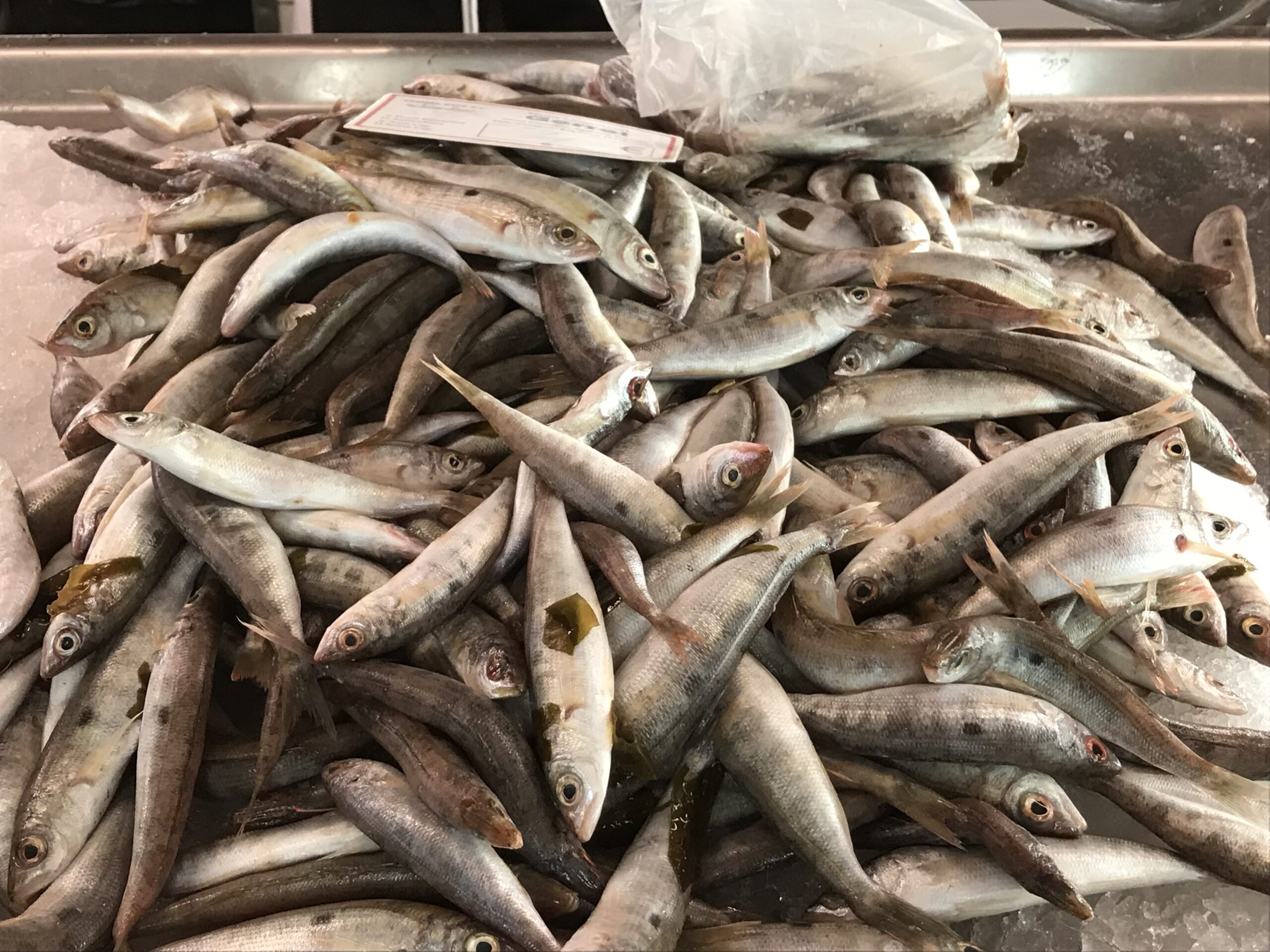
The vast majority of nationally determined contributions – commitments made by governments to reduce greenhouse gas output – are missing one of the biggest sources of global warming.
Overall, food waste contributes 10% of the world’s combined heating emissions, just less than the total output of China and the USA. By ignoring this issue a huge opportunity to bring methane and other greenhouse gases down is being overlooked.
On Wednesday food loss and waste NGOs ReFED, The Global FoodBanking Network and WRAP co-hosted a day of action during COP30 in an attempt to catalyse action in this area. This included delegates from the Global FoodBanking Network, Ambition Loop, Brazil Ministry of Environment, and Global Methane Hub.
Countries attending the UN Climate Summit, which have committed to reducing food loss, include Cameroon, Ethiopia, Gambia, Malawi, the Maldives, Mozambique, Senegal, Sri Lanka, Vanuatu, Nepal, Somalia, Angola, Micronesia, Mauritius, Kyrgyzstan, Nigeria, Eswatini, and Côte d’Ivoire. Colombia, Indonesia, United Arab Emirates, Jordan, Uruguay, Cambodia, Chile have also committed to reducing food waste. Meanwhile, Cape Verde, China, Qatar, Sierra Leone, and the United Kingdom have so far committed to ending food waste only.
‘A growing number of countries are including food loss and waste in their NDCs, and highlighting food banking as a solution that can simultaneously reduce methane emissions and alleviate hunger,’ said Lisa Moon, President and CEO of The Global FoodBanking Network. ‘Now, we need to build on this progress.
‘We encourage more countries to include food loss and waste reductions in their climate plans – so they can seize the opportunity to feed more people with good food, while reducing waste and protecting resources,’ she continued. ‘At COP30 and beyond, we will continue to work with our partner food banks and many others around the world to create more just, equitable food systems that nourish people and the planet together.’
Image: Marek Studzinski / Unsplash
More on Pollution, Waste & Recycling:
Our food supply is killing us because toxicology tests are failing
Industrial polluters aren’t penalised, but coffee waste means a fine
England needs to think seriously about sustainable timber housebuilding