
















Contrary to free market-thinkers and trickle-down economists, corporations have shown themselves incapable of effectively managing essential services.
The issue of nationalising Britain’s utilities never seems to die. Or stop eliciting impassioned responses from both sides of the argument.
From where we’re looking, though, there are very few — if any — examples whereby privatisation of essential services has actually improved those services. Furore surrounding Thames Water, and indeed pretty much every water company in the land, is a clear example. As is the gradual return to public ownership of the UK rail network.
Energy is another bone of contention, not least because inflationary pressures, oil and gas bottlenecks, geopolitical instability and poor wage growth all mean watching fuel producers make mind-boggling record profits is particularly brutal for most households. Add to this the fact that net zero and decarbonisation are actively being held up by an overstretched, under-resourced National Grid, which can’t offer enough new connections quickly enough to keep apace with demand, and bonuses paid to bosses look even more unfair and undeserved.
Yesterday, Prime Minister Andy Burnham announced a new publicly-owned national body, GB Grid, which will step in to speed up the transition to renewables by expediting infrastructure rollout and, perhaps most crucially, cutting the woefully slow speeds a which new energy sources are currently connected to the National Grid. It will also, in theory, help bring bills down, contributing to a wider multi-pronged push to ensure energy costs for Britons are in line with European counterparts by the mid-2030s. That’s a big promise, but a vital one if the new Labour leader’s enviable polling is to hold fast.
We’ve already been warned about a potential 25% price hike for gas and electricity in January, which will come just four months after Ofgem’s confirmed raising of the cap next month. None of which means much to the 500,000 heat network-fuelled households who, according to Heat Trust and the Association for Decentralised Energy, are facing completely uncapped bills this winter because their tariff is based on commercial rates, and not limited by domestic regulations.
‘No household should be expected to cope with their heating and hot water bills doubling overnight, but this is what those on heat networks now face unless the government steps in,’ says Stephen Knight, Chief Executive of Heat Trust. ‘Ultimately, heat network customers need new price protections to shield them from the volatile commercial energy markets, just like other domestic energy consumers get via the price cap. This disparity should not be allowed to persist.’
Short-term relief cannot take 10 years to materialise, then, and GB Grid isn’t going to answer any prayers any time soon. But fundamental changes to how energy infrastructure is managed, invested and funded seem like the only logical solution. Speaking on BBC Radio 4’s Today programme this week, Common Wealth think tank founder Matthew Lawrence cited the UK as an outlier due to its fully privatised electricity grid, echoing critics of our wholesale corporate water network ownership. In both instances, bonuses, payoffs and dividends have been prioritised above spending money on updating and upgrading systems. And now we’re feeling the impact of those lost decades.
‘You would not believe how many businesses complain to me that they can’t get going because they can’t get connected to the grid,’ Burnham told the Labour Party Conference in Liverpool on Tuesday. ‘It pushes costs up, it drags growth down, and it holds Britain back. We won’t get the growth and inward investment we need if we don’t fix it.”
‘Today I can announce our plan for Great British Grid, a new branch of Great British Energy,’ he continued. ‘A publicly owned company that will challenge the private sector operators, that will increase competition, drive down costs, and speed up connections, so businesses can expand and grow more quickly.’
A number of influential voices have already sounded their support for the scheme. Including environmental charity, Friends of the Earth. ‘For too long people have struggled to afford their bills, while watching energy bosses rake in eye-watering profits,’ says the organisation’s Head of Campaigns, Rosie Downes.
‘In the face of the cost of living and climate crises, upgrading the energy grid is an urgent priority so that the UK can take full advantage of our homegrown renewable energy and bring down bills for everyone,’ she continues. ‘Greater public control and ownership of energy is how we can end the scourge of ordinary people being ripped off by energy companies who continue to pollute the planet. The creation of GB Grid should be the first of many steps towards building a greener, fairer future powered by clean energy for people, not profit.’
Whether the reality lives up to the promise remains to be seen, but with one of Burnham’s earliest energy steps — removing VAT from domestic bills — set to come into effect tomorrow, Thursday 1st October, and the conditions that have led to the ongoing energy and cost of living crises pertaining to issues largely outside the control of this Downing Street administration, casting doubt based on almost half a century of political and regulatory failure seems a little unfair. For now at least.
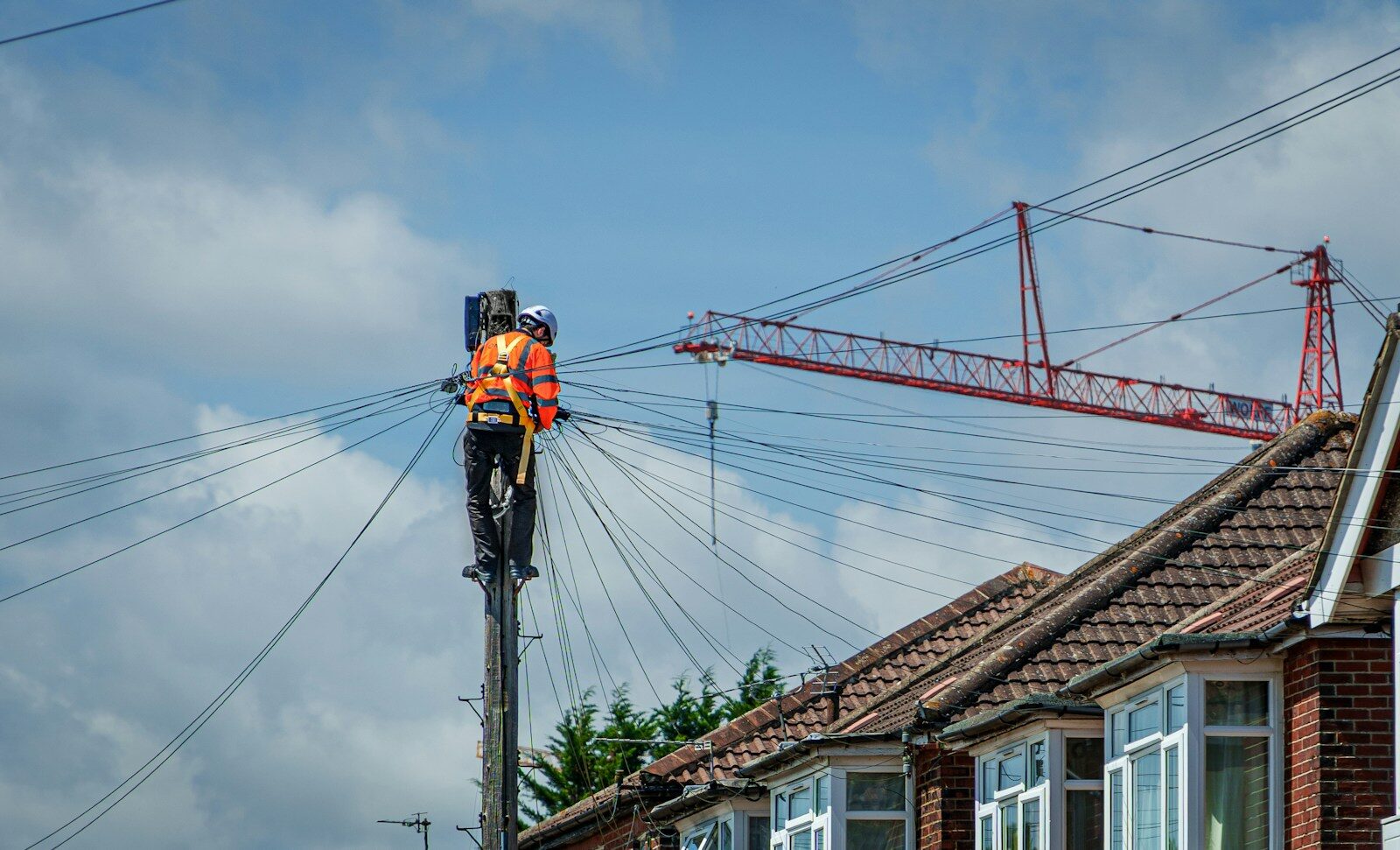
Image: Ed Wingate / Unsplash
More on UK energy:
New solar finance offer means homeowners can spread 75% of costs
Commercial rooftops could unlock solar power equivalent to 20 nuclear power stations